
Show summary Hide summary
A nationwide telecommunications failure in the U.S. air traffic control network forced the Federal Aviation Administration to halt all departing flights on November 13, 2026, triggering widespread knock-on effects across Mexico. Mexican authorities say 193 U.S.-bound flights were held or cancelled and more than 18,000 passengers were stranded at airports nationwide as carriers and regulators paused operations until American systems were cleared.
How the shutdown unfolded
The FAA issued an emergency ground stop after communications routers at multiple U.S. Air Route Traffic Control Centers failed, making routine controller–pilot communications unreliable, according to the FAA’s statement describing a “temporary telecommunications outage”. Transportation Secretary Sean Duffy told reporters the government’s air traffic equipment was overwhelmed, saying “overloaded data, and they went down.”
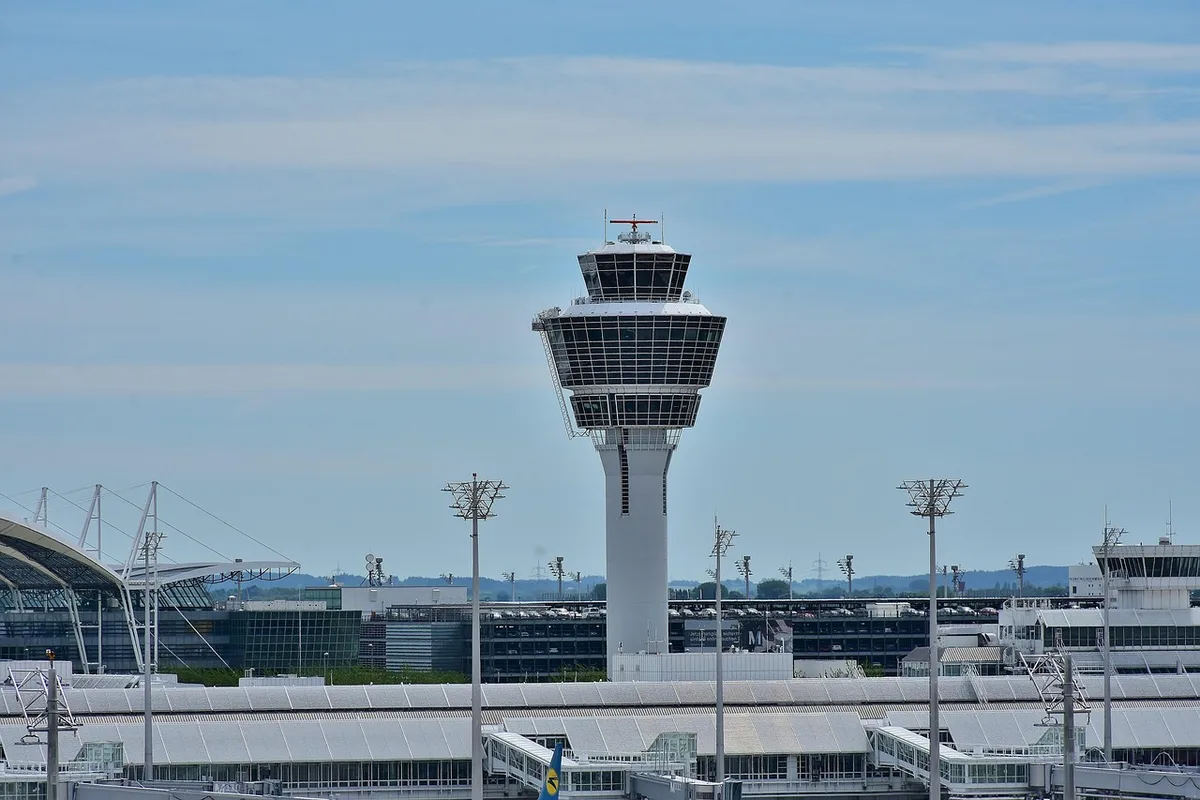
Homeland Security Secretary Markwayne Mullin said the problem appeared to stem from “incompatibilities between aging equipment” and newer technology being rolled out across the system; he said investigators had so far ruled out a cyberattack but that the probe remained open, the source reported.
Officials described the event as only the second nationwide halt to U.S. departures since the September 11, 2001 attacks, following a shorter FAA system failure in January 2023. The November 13 suspension lasted more than four hours before U.S. authorities began reopening departures.
Mexican response and airline actions
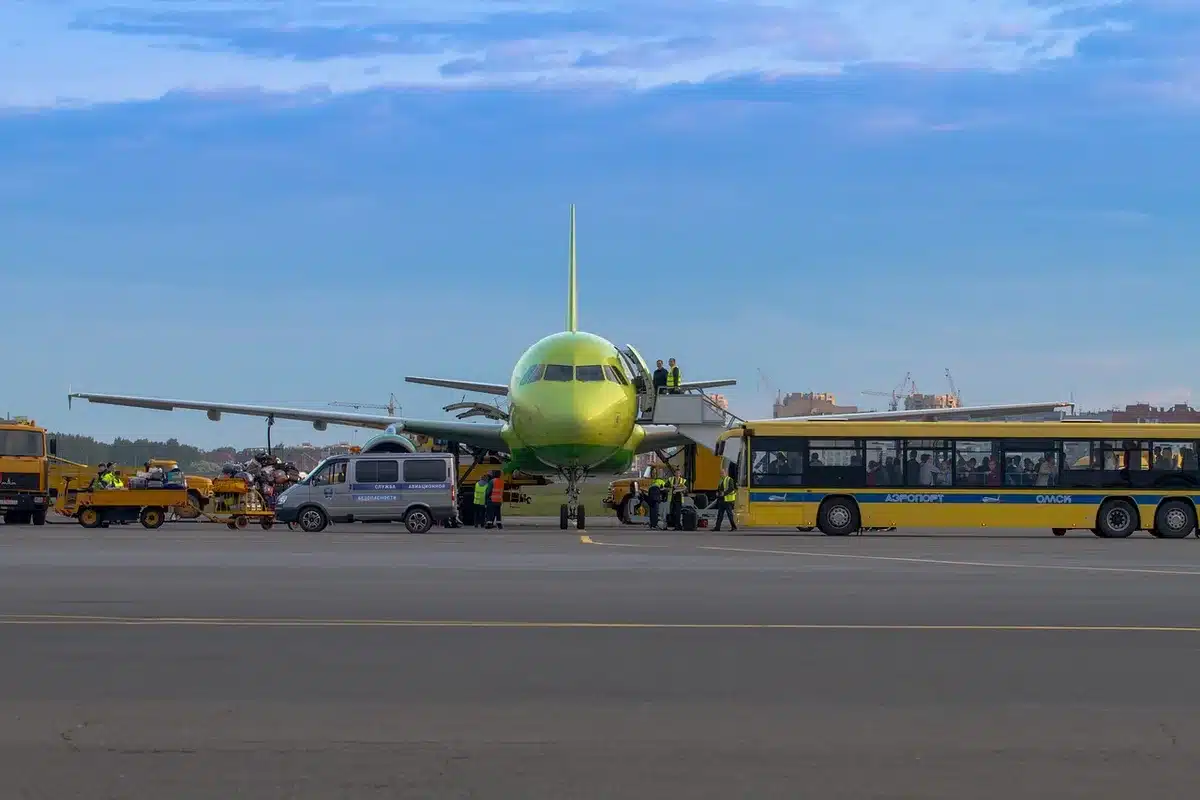
As U.S. departures stopped, Mexico’s civil aviation authority, the Agencia Federal de Aviación Civil (AFAC), directed all Mexican airports to keep U.S.-bound aircraft on the ground until it received clearance from American authorities. AFAC said the suspension affected 193 flights and left more than 18,000 passengers stranded or rerouted across Mexico, with the heaviest impacts concentrated at Mexico City.
Aeromexico suspended all U.S. routes and told affected customers it would allow penalty-free rebooking on the same route and cabin through November 21 for tickets issued on November 13 or 14. Low-cost carriers Volaris and Viva Aerobus issued passenger alerts and directed travelers to their apps and official channels for updates.
Airports and passenger impact
The disruption extended beyond Mexico City. Grupo Aeroportuario del Pacífico (GAP), which runs airports on Mexico’s Pacific coast including Guadalajara, Los Cabos and Puerto Vallarta, confirmed that all of its airports with U.S. connections were affected. Quintana Roo’s governor, Mara Lezama, said 17 flights were under active monitoring across Cancún, Tulum and Cozumel, including one Tulum–Houston flight that recorded a 95‑minute delay.
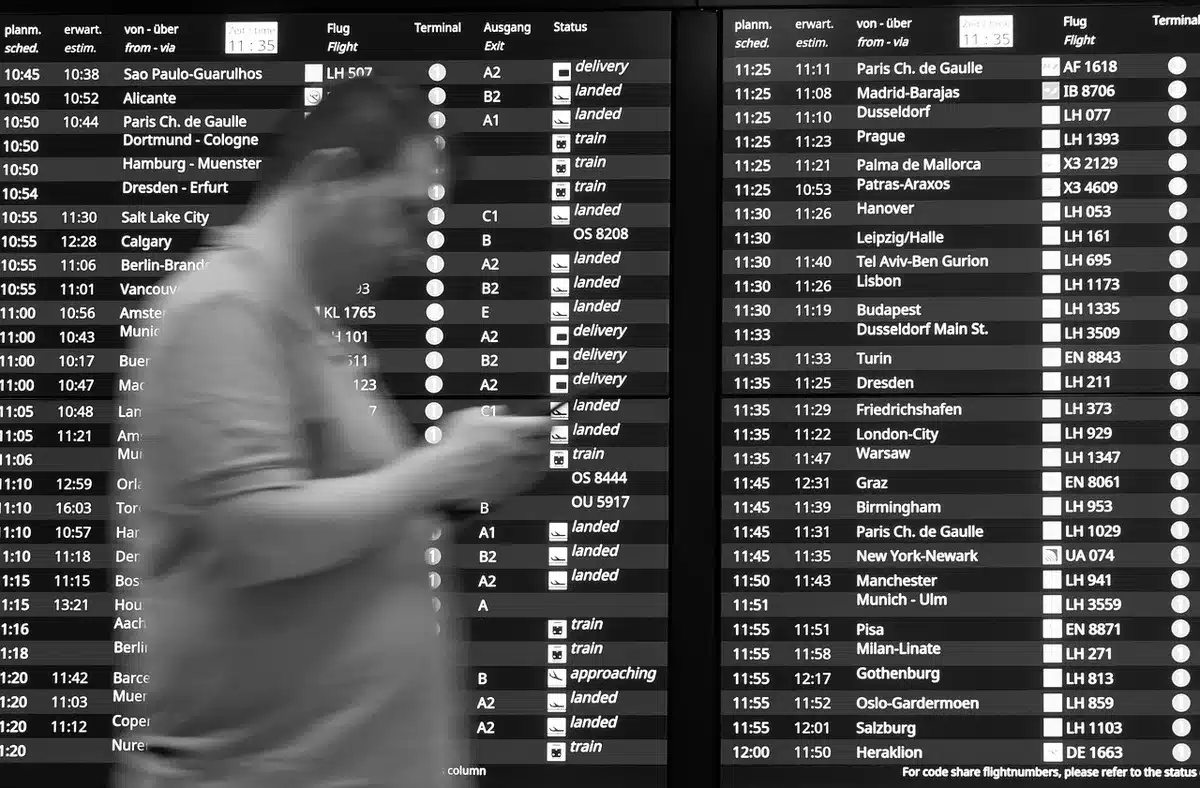
The Aeropuerto Internacional de la Ciudad de México (AICM) reported 73 disrupted flights — 44 cancelled and 29 delayed — affecting 10,293 passengers, the authority said. Monterrey, Cancún, Guadalajara, Tijuana, Querétaro, Los Cabos, Puerto Vallarta and the Felipe Ángeles International Airport (AIFA) also reported operational impacts, and some terminals provided on-site support for stranded travelers.
During the blackout period U.S. authorities estimated roughly 827 flights were diverted domestically and thousands more backed up in departure queues, meaning recovery of the Mexico–U.S. air bridge was likely to extend into the following day.
Recovery and guidance for travelers
The FAA lifted its ground stop in U.S. airspace late on November 13; the FAA’s lifting of restrictions was reported as occurring at 8:15 p.m. Eastern Time, while AFAC said it was formally notified at 7:44 p.m. Mexico City time that restrictions had ended. AFAC said operations were recovering progressively and that airlines would notify passengers individually about revised departure windows.
Authorities advised passengers to check directly with their carrier before traveling to the airport. Airlines reiterated that they would update itineraries and provide rebooking options for customers affected by the stoppage.
The account above is based on official statements from the Federal Aviation Administration and Mexico’s Agencia Federal de Aviación Civil, and on airline and airport information released in the wake of the November 13 outage.