Show summary Hide summary
Voters rejected California’s proposed “billionaires’ tax,” Proposition 40, according to a projection from The Associated Press on Monday. If upheld in final certification, the result means the state will not impose a 5% tax on the net wealth of California taxpayers and trusts with assets valued over $1 billion.
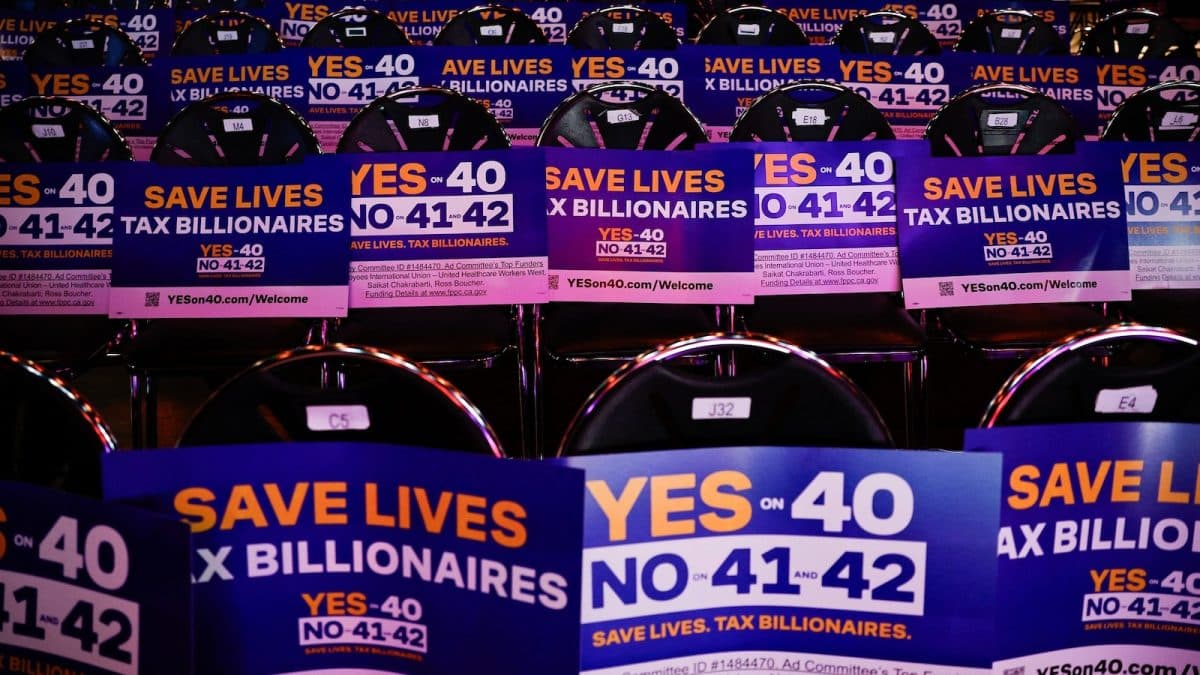
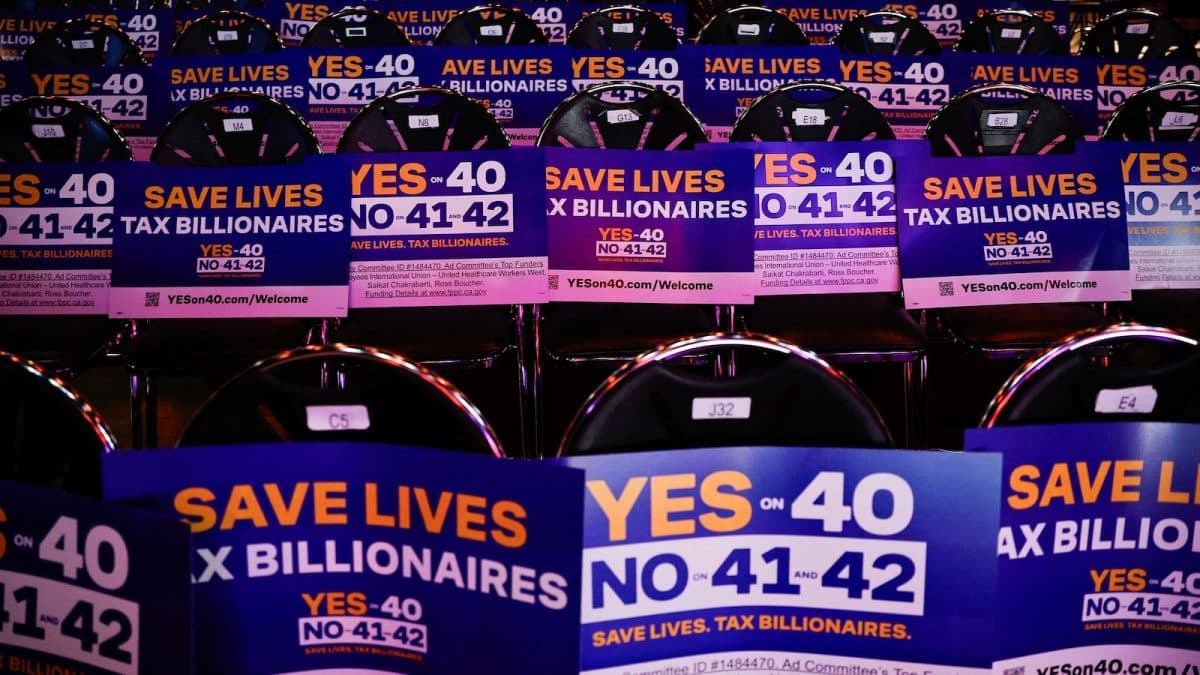
Proposition 40 would have applied a 5% levy to individuals and trusts whose net assets exceed $1 billion. Backers, organized as Yes on 40, said the measure was introduced in response to steep cuts to California’s health care funding that they attributed to the passage of President Donald Trump’s “Big Beautiful Bill,” and estimated it would raise about $100 billion over five years and affect roughly 200 of the state’s billionaires.
Money and major donors
Opponents mounted a heavy spending campaign. Building a Better California, the principal group opposing the measure, raised $333.1 million since the start of the year, and ABC News reported that most of that money came from billionaires. Sergey Brin, the Google co‑founder, was the group’s largest donor at $102 million; ABC News reported that the occupation “co‑founder” accounted for $105.3 million of donations to the group overall.
ABC News also published a breakdown of other contributors, noting $47.7 million came from donors listed as “Investor/Philanthropist,” $46.6 million from those listing “CEO” as their occupation, and $43 million from people listing “chairman.” Geographically, many large contributions were tied to Bay Area locales: $43.9 million from San Rafael, $40.2 million from West Hollywood, $34.7 million from Redwood City and $28.4 million from San Francisco. The largest single share of contributions, ABC News reported, came from Brin, who is listed as based in Reno, Nevada.
Politics and debate
Gov. Gavin Newsom became the measure’s most prominent opponent, arguing that wealthy residents could simply leave the state to avoid the tax. ABC News reported that Newsom circulated a counterproposal calling for a national billionaire tax that would focus on loans taken against assets.
On the other side, Sen. Bernie Sanders and Rep. Ro Khanna were prominent proponents, saying the California initiative could serve as a model for a national wealth tax. Khanna told ABC News in early October that he and Newsom were “polar opposites” on the issue, and he criticized what he described as political deference to wealthy donors: “He [Newsom] doesn’t want to offend some of the billionaires who he wants to finance his campaigns, and that’s the question: Are we going to be a party for the working class? Are we going to be beholden to our donors?”
Tech investors and business figures pushed back against the proposal as well. Vinod Khosla warned that the state’s leading wealth creators would leave if the tax were imposed, and entrepreneur Mark Cuban told Khanna he “doesn’t understand business,” according to reporting in the original coverage.
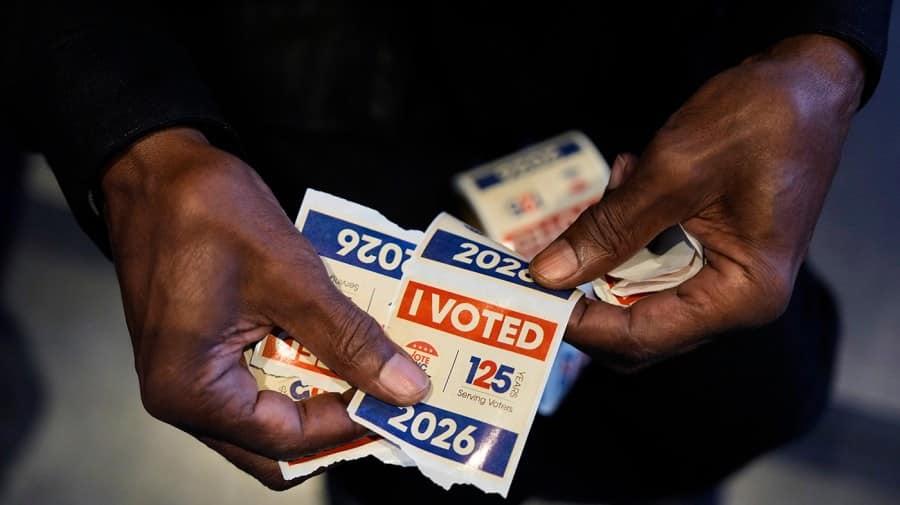
The Associated Press projection represents the current media call; final results depend on official vote counts and certification by California election authorities. If the projection stands, California will not implement the proposed 5% wealth tax on billionaires and qualifying trusts.