
Show summary Hide summary
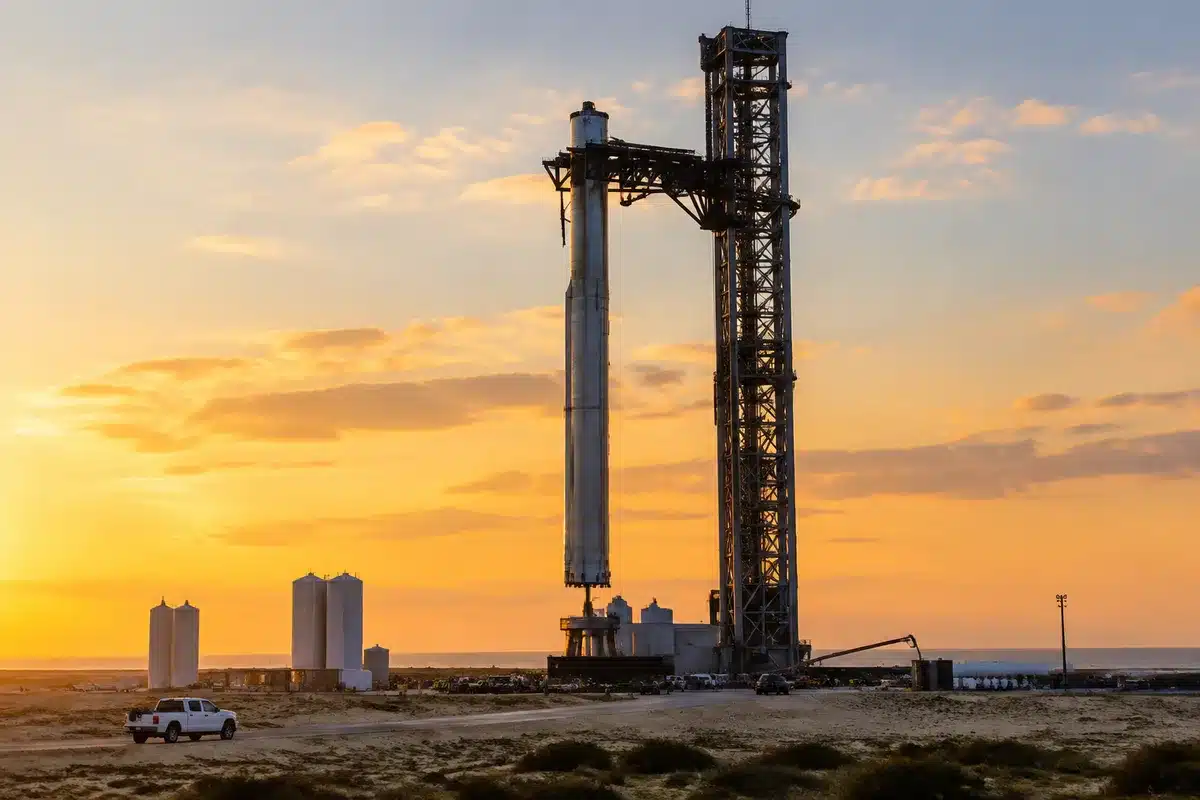
SpaceX achieved the first mid‑air capture of a Starship upper stage returning from orbit on November 14, 2026, at its Starbase facility in Boca Chica, Texas, Latin Times reported. The vehicle, designated Ship 42 and flown on Test Flight 15, completed 14 orbits over roughly 22.5 hours and released 26 next‑generation Starlink V3 satellites before descending to the launch tower and being caught by the Mechazilla mechanism, the outlet said.
How the orbital return and tower catch unfolded
According to Latin Times, Ship 42 reentered from an orbital altitude of about 165 miles (265 kilometers), reigniting three Raptor engines on its final approach and rotating into a vertical orientation. With aerodynamic control surfaces stowed, two structural fittings near the top of the spacecraft aligned with the extended arms of the Mechazilla tower. The tower’s arms closed around those fittings several hundred feet above ground, holding the vehicle in suspension as its engines shut down — an event the outlet described as the first time an upper stage returning from orbit had been captured in this way.
SpaceX catches Starship midair after it spent 22 hours in space, a spaceflight first
Major oil companies report billions in profits while U.S. drivers face higher pump costs
Booster loss during descent
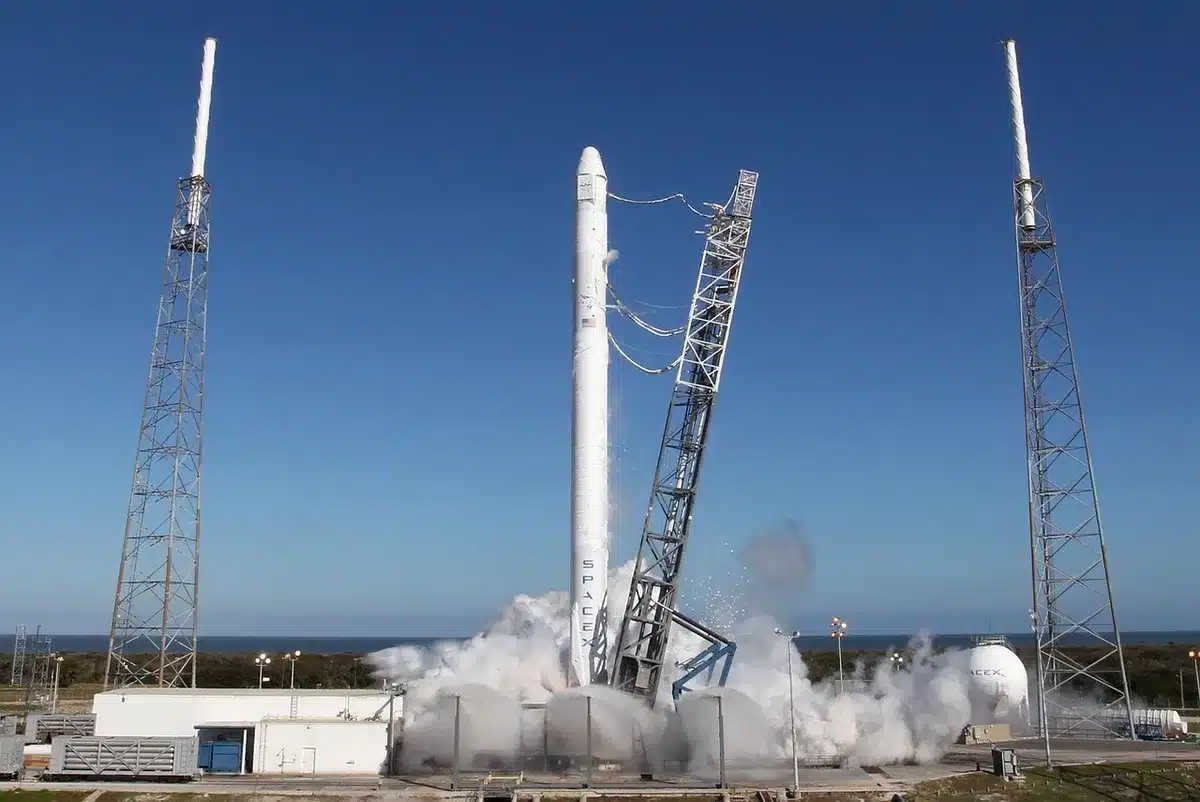
Test Flight 15 aimed to recover both stages in a single mission, but Latin Times reported the Super Heavy booster was not recovered. During the booster’s return sequence the boostback burn ended early after a low‑fuel‑mass alarm, the guidance system aborted a tower‑catch attempt and the booster was diverted toward an offshore landing zone in the Gulf of Mexico. The booster completed a landing burn and hovered briefly, then SpaceX triggered the flight termination system and the vehicle was destroyed over the water, the outlet said.
Why the catch matters — and what remains unproven
Latin Times noted that catching a returning upper stage is a significant step for SpaceX’s reusability plan because the tower‑arm architecture removes the need for landing legs and could enable faster turnarounds. But the outlet added important caveats: Flight 15 did not demonstrate relaunch cycles measured in hours, both stages were not recovered together, and Starship has not yet shown that its orbital heat shield can be reused without refurbishment. The outlet emphasized that reentry from orbital velocity subjects the upper stage to much greater thermal stress than the booster experiences, making the catch a harder technical achievement.

Program implications
Latin Times linked the milestone to broader objectives: a reliable orbital return narrows the gap toward the modified Starship variant NASA plans to use as a lunar lander for the Artemis program, and it supports SpaceX’s longer‑term uncrewed Mars ambitions, which depend on repeatable recovery of vehicles at destination and origin points. The outlet characterized Test Flight 15 as the most demanding Starship mission to date because of its attempt to both deploy satellites and recover hardware from orbit.
SpaceX has not provided new public confirmation of all the details reported by Latin Times in the supplied material; the above account reflects the events and assessments as described in that report.