Show summary Hide summary
Massive winter surf battered the California coast over the weekend, sending waves that flooded streets, closed piers and damaged oceanfront homes from the Bay Area to San Diego. Forecasters and scientists warned that a strengthening El Niño and continuing large swells will keep coastal hazards — including dangerous rip currents, erosion and flooding — elevated through the winter.
Extraordinary surf near San Francisco
On Saturday, Nov. 14, waves at the Mavericks surf break in San Mateo County were estimated at 50 to 60 feet, one of the largest sets recorded in the San Francisco Bay Area in more than a decade, Latin Times reported. The National Weather Service for the Bay Area issued advisories saying surf could reach 35 feet along parts of the coast and warned of hazardous rip currents and unpredictable sneaker waves. By Sunday conditions eased somewhat, but forecasters cautioned that large surf would persist throughout the week.
Seal Beach flooded, piers closed as California faces historic surf; more waves expected
Survey finds 20% of Trump supporters expect Republicans to lose the presidency
Flooding and damage in Seal Beach and beyond
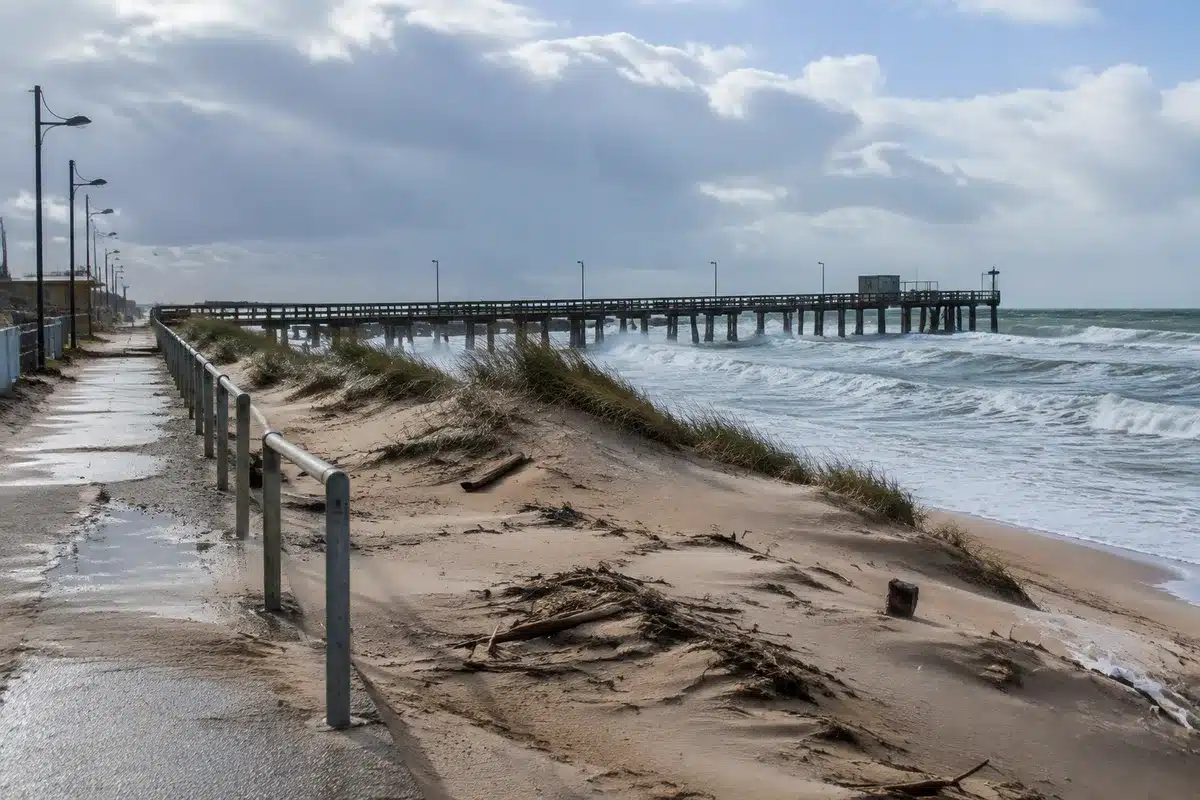
Seal Beach in Orange County saw some of the most visible damage as powerful swells overtopped protective sand berms and sent ocean water and debris into residential streets, inundating multimillion‑dollar homes and submerging the coastal walkway, Latin Times reported. City crews used heavy equipment to reinforce the berms, and officials prepared sandbags and other flood‑mitigation measures ahead of additional high tides and storms.

Farther south, at La Jolla Cove near San Diego, waves spilled over the beach and struck stairways and shorelines frequented by visitors and resident sea lions. Coastal piers were closed across the state as a precaution; in San Diego County, powerful surf prompted pier closures and produced hazardous rip currents and accelerated beach erosion from Carlsbad to Ocean Beach.
El Niño is raising baseline risks
Scientists attribute part of the heightened coastal threat to an active El Niño that has warmed the Pacific Ocean and raised baseline sea levels, increasing the chance that large swells coinciding with high tides and winter storms will cause flooding and erosion. Experts warned that repeated cycles of damaging surf this winter could inflict billions of dollars in damage on vulnerable coastal infrastructure and communities, the article said.
Southern California already experienced significant coastal flooding in October when warmer‑than‑normal ocean temperatures and elevated tides pushed water into low‑lying areas. Authorities said Southern California was bracing for two additional storm systems expected to bring heavy rain, gusty winds and mountain snow, with waves of up to 18 feet projected in the coming days.
Public safety and outlook
Local authorities had pre‑positioned crews and equipment, reinforced barriers and inspected drainage systems ahead of the surges, but officials urged residents and beachgoers to stay well away from the shoreline. The National Weather Service repeatedly cautioned the public to avoid the water and warned of life‑threatening conditions along exposed beaches.
Coastal communities from San Francisco to San Diego face an elevated risk in the coming weeks as high tides, large swells and winter storms combine. The scope of future impacts will depend on the timing and intensity of additional storms and how closely they align with peak tides, scientists and forecasters said.