Show summary Hide summary
Air travel across the United States began returning toward normal on Sunday after a three-day shutdown caused by a telecommunications failure, but investigators are probing whether human or equipment error during a router replacement at a remote FAA facility triggered the disruption. Early counts showed cancellations sharply lower than the previous two days, even as officials and industry groups work to determine responsibility and to test whether similar vulnerabilities exist elsewhere in the network.
Sunday recovery: far better but not complete
Flight-tracking platforms recorded far fewer cancellations early Sunday than on Friday and Saturday. One summary put cancellations at roughly 910 as of early Sunday morning, down from about 6,500 on Saturday and 9,200 on Friday. The FAA's national operations plan showed no active ground stops, and FAA Administrator Bryan Bedford said the system “will be fully recovered on Sunday.” Bedford added that “based on everything we’re hearing from our airline partners, they believe that they’ll be able to have full schedule integrity by the close of business on Sunday.”
A major obstacle for homebuyers could persist into 2027
900 flights canceled Sunday morning; full recovery expected tonight, probe underway
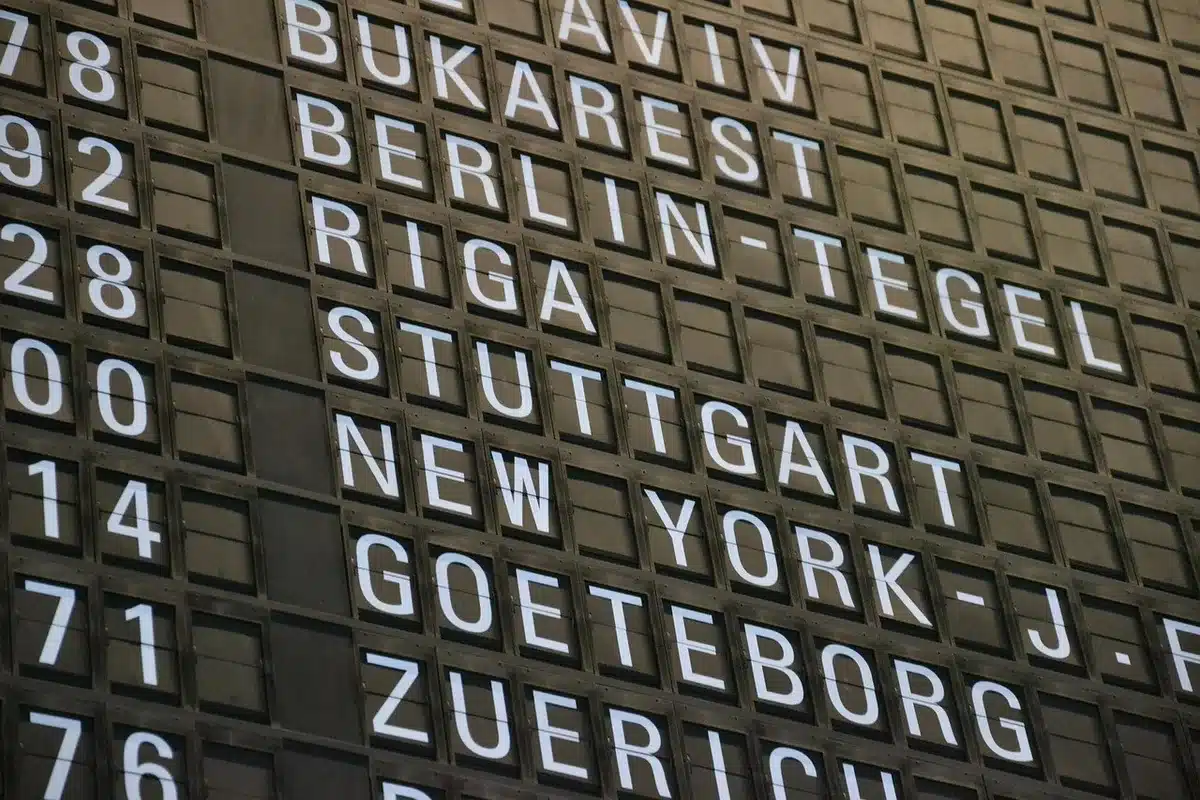
Different trackers showed slightly different snapshots: by 4:45 a.m. ET on Sunday, CNN’s flight tracking reported nearly 600 delays and more than 1,000 cancellations, which remains a large improvement from Saturday morning when more than 3,700 cancellations were already logged before 9:30 a.m., according to the same tracking data cited in the source material.
JetBlue and American Airlines were among the most disrupted carriers. By late Saturday JetBlue had pre-canceled about 26% of its Sunday schedule (roughly 241 flights), and American had pre-canceled 293 Sunday departures. Both airlines extended travel waivers through the recovery period and said planned cancellations were complete, while warning that additional changes could occur as crew rest rules are satisfied.
Scope of the disruption
The three-day impact was unprecedented in recent U.S. aviation history. Reuters, citing FlightAware data, reported that Saturday closed with more than 6,400 U.S. cancellations and more than 8,000 delays, following Friday’s roughly 9,200 cancellations and 7,500 delays. Together, those two days exceeded 15,000 cancellations and more than 23,000 delays, affecting an estimated 1.5 million passengers who were scheduled to fly after 4 p.m. Friday, Reuters reported.
Airlines and passengers experienced cascading international effects, with connection disruptions reported across Europe and Latin America. Alaska Airlines told its customers that about 37,000 passengers had been directly affected. Because the FAA — not individual carriers — initiated the ground stop, federal rules do not entitle passengers to cash compensation; rebooking waivers are in place but out-of-pocket ground expenses remain the responsibility of travelers, according to the reporting.
Investigation focuses on two routers and contractor actions
Transportation Secretary Sean Duffy said investigators are working to determine accountability and used the word “incompetence” in describing possible causes. At a Saturday press conference he asked, “whether we had incompetence, meaning was it user error or installer error from L3Harris, or did they install a faulty router?” Duffy also described L3Harris as a “long-standing partner” of the FAA.

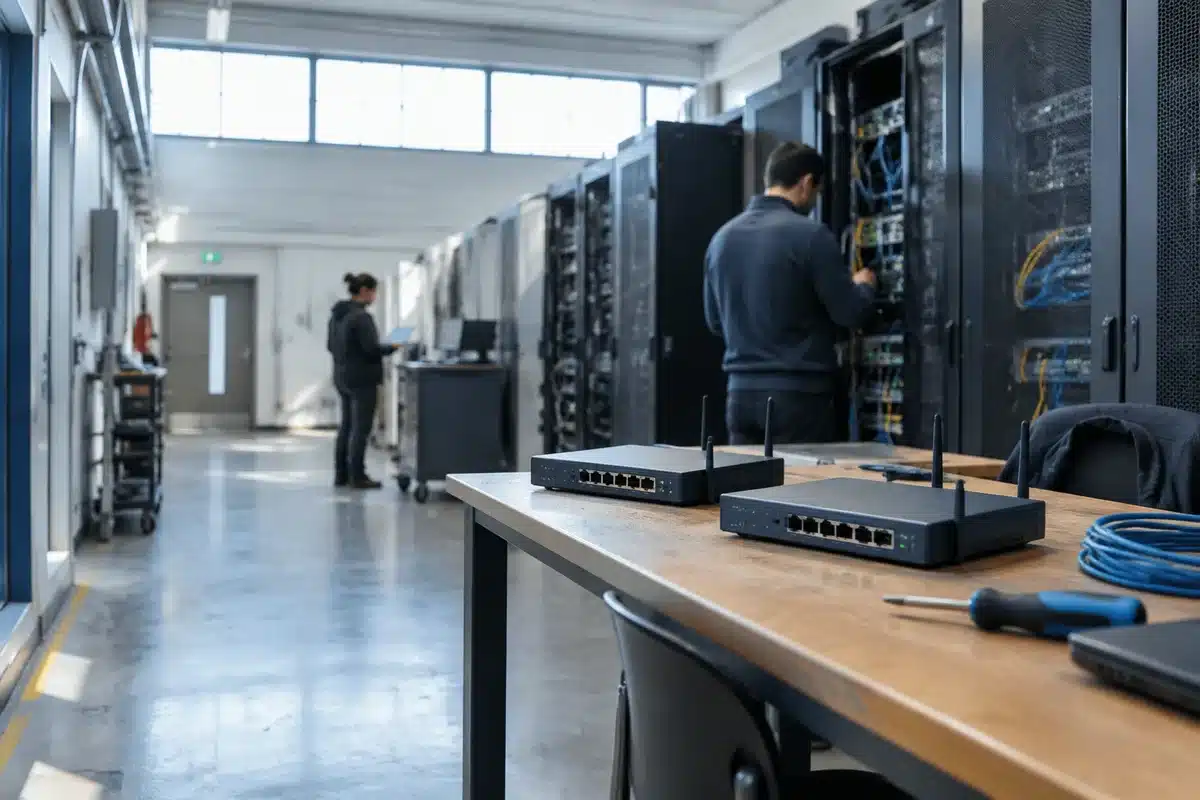
The Professional Aviation Safety Specialists union, which represents FAA safety employees, told reporters the problem was traced to two routers that L3Harris updated on Friday afternoon as part of a copper-to-fiber conversion at a remote facility. An FAA official separately confirmed that the agency conducted a safety assessment before authorizing L3Harris to perform the replacement, a detail that places the FAA’s pre-authorization process under scrutiny alongside the contractor’s execution. The FAA said it is conducting additional testing with L3Harris to see whether similar risks exist elsewhere in its telecommunications network.
L3Harris issued a statement saying in part, “We are supporting the FAA in its investigation to understand the conditions that led to the Nov. 13 ground stop. L3Harris takes the nationwide ground stop and its impact on travelers, airlines and air traffic operations seriously.” The company’s statement did not accept or deny blame or provide a timeline for findings.
What investigators have ruled out and what comes next
Officials confirmed there is no evidence that the outage was caused by a cyberattack, hostile nation-state activity, or artificial intelligence, and described the failure as a hardware-level disruption occurring during maintenance at a single remote facility. That narrowing of cause does not lessen the disruption’s scale, but it refines the focus of the inquiry.
The timing of the outage adds pressure: the reporting noted that Thanksgiving travel was fewer than 10 days away when the investigation was underway. Secretary Duffy has asked Congress for $50 billion in emergency aviation funding; the results of the FAA’s additional telecommunications testing and the pace of any congressional action will shape confidence ahead of the holiday travel period.