Show summary Hide summary
The Federal Aviation Administration says a contractor’s network upgrade caused a nationwide outage that disrupted thousands of flights over two days, and officials expect operations to return to normal by Sunday night. Transportation Secretary Sean Duffy identified L3Harris Technologies as the contractor working on a conversion of copper telecommunications lines to fiber at a remote FAA facility; the agency says either faulty equipment or a contractor error during that work disrupted data feeds to en-route air traffic control centers.
Scale of the disruption
Flight-tracking data and agency statements show the outage forced widespread groundings and delays. FlightAware recorded more than 5,000 cancellations on Saturday and several thousand additional delays — figures that pushed the two-day cancellation total above 10,000 and the combined disruptions toward roughly 50,000, according to the tracking platform. Aviation analysts described the incident as the worst two-day travel disruption in the U.S. since Sept. 11, 2001.
U.S. airlines cancel more than 10,000 flights, leaving tens of thousands unable to travel
Nina Pullano
How the outage unfolded
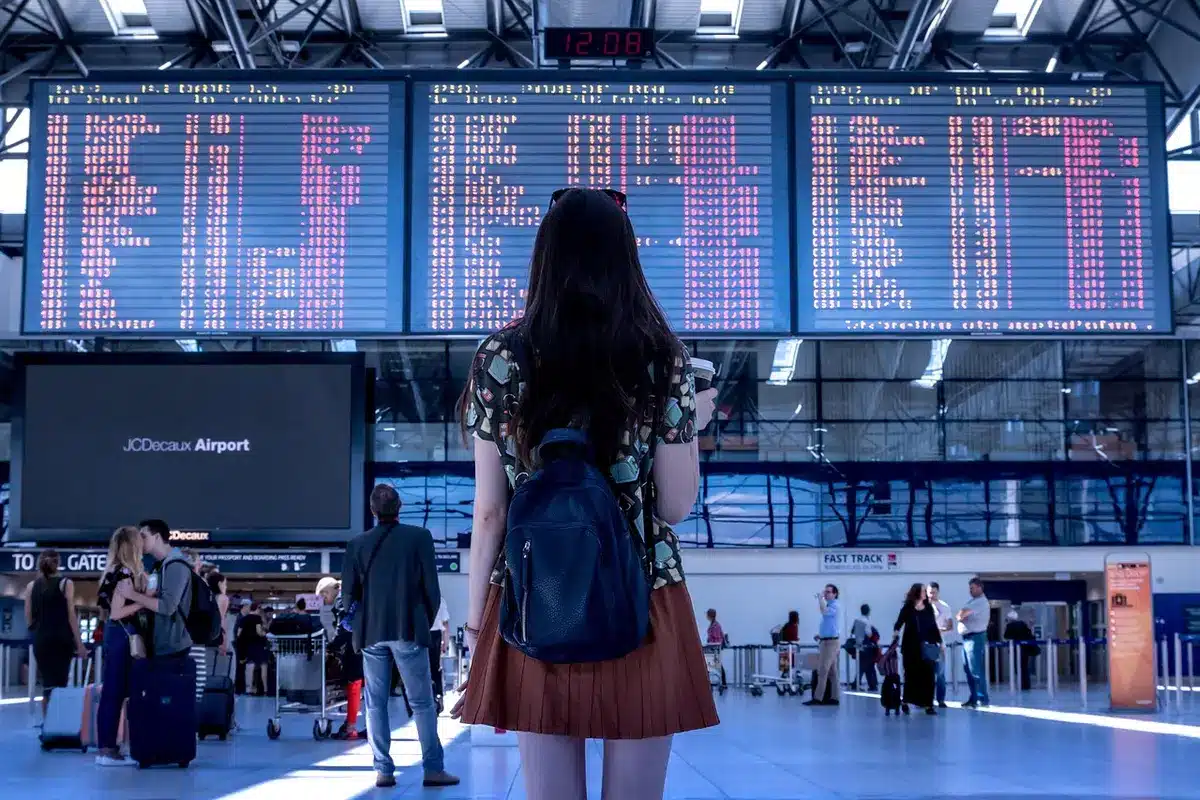
FAA Administrator Bryan Bedford told reporters that no FAA facility went completely dark but that controllers detected instability in the information feeds used to manage high-altitude air traffic. Bedford said officials halted departures before that instability could affect aircraft in flight so the network could be stabilized. Transportation Secretary Duffy later named L3Harris as the contractor performing the telecom upgrade when the problem began. L3Harris issued a statement saying it is cooperating with the FAA’s investigation but did not dispute the public timeline described by officials.
Major hubs and airlines affected
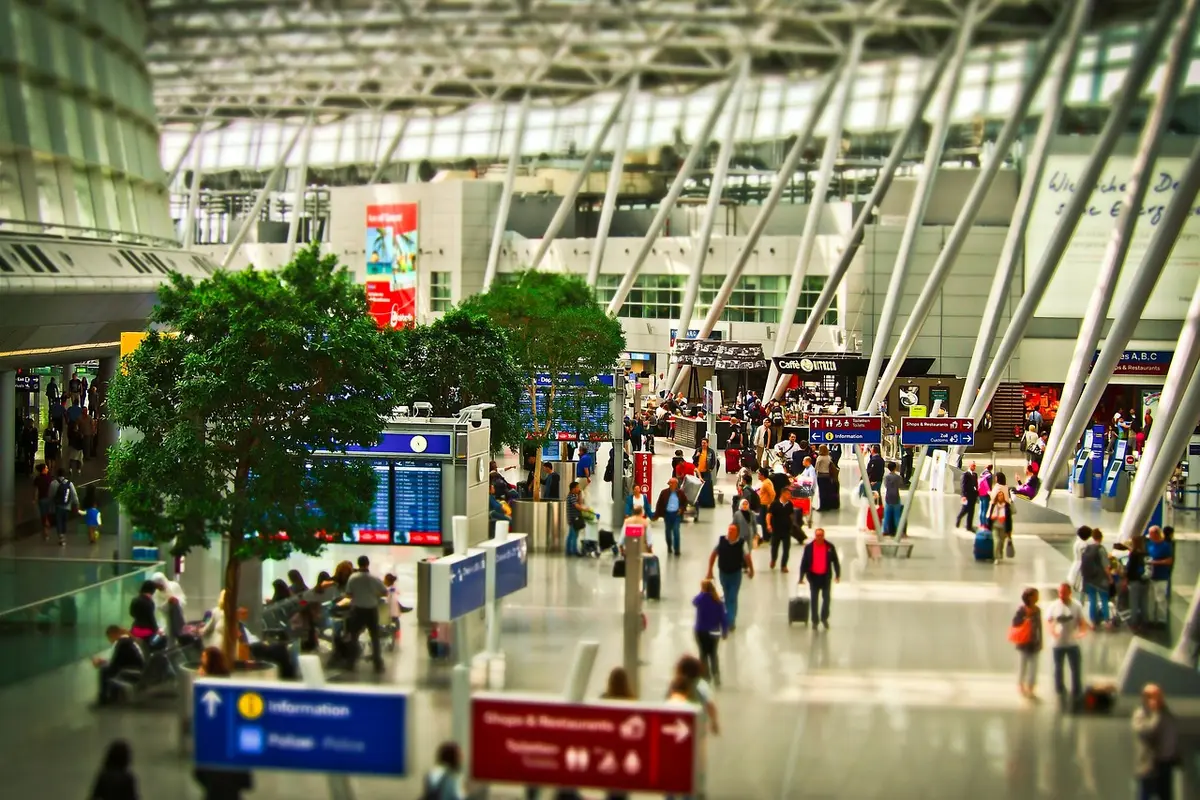
Passengers spent Friday night and much of Saturday waiting in terminals, in some cases sleeping on floors and queuing at rebooking counters. By 9:30 a.m. ET on Saturday, FlightAware ranked Hartsfield-Jackson Atlanta, Chicago O’Hare and New York’s JFK among the hardest-hit hubs; other affected airports included Boston, Miami, Pittsburgh, Los Angeles and Baltimore. San Francisco reported 156 cancellations and 93 delays Saturday morning after roughly 500 cancellations there on Friday; San Jose reported dozens of cancellations and delays as well.
Airlines scaled back Saturday schedules: American canceled about 26% of its planned flights for the day, United about 24%, Delta about 23% and Southwest about 15%. JetBlue reduced roughly 40% of its Saturday flights. Major carriers issued rebooking waivers allowing passengers to change travel plans without fees.
Passengers, crews and logistics
At the peak of the disruption on Friday, aviation experts estimated between 300,000 and 400,000 passengers were stranded across U.S. airports. Airlines were working to reposition crews and aircraft to resume normal schedules, a task complicated by crew duty limits and planes out of position. Some college football teams and other large groups had to be rerouted or delayed because of the breakdown.
Who pays for stranded travelers?
Because the FAA attributes the outage to government infrastructure and a contractor rather than to airline operations, carriers are not legally required to provide hotels, meals or ground transportation for affected passengers, Reuters reported. Airlines’ waivers typically cover fee-free rebooking but not incidental expenses; travelers were advised to check individual carrier policies and apps for details on rebooking windows and accommodations the airline might offer voluntarily.
Outlook and investigation
Administrator Bedford said Saturday that the FAA expects schedules to be back on track by Sunday evening and that, as of that afternoon, the agency’s national operations plan showed no active ground stops or ground delays. The FAA and L3Harris are continuing an investigation into the specific failure point in the telecom network; officials have not provided a timeline for formal findings.