Show summary Hide summary
Airbnb will ban hosts from requiring guests to perform time-consuming departure chores starting November 20, 2026, the company says, removing tasks it classifies as professional cleaning duties from permissible house rules. The change — which applies only to reservations booked on or after that date — has prompted sharp criticism from some hosts, who say the policy shifts labor and risk onto property owners and have threatened to leave the platform.
What hosts will no longer be allowed to require
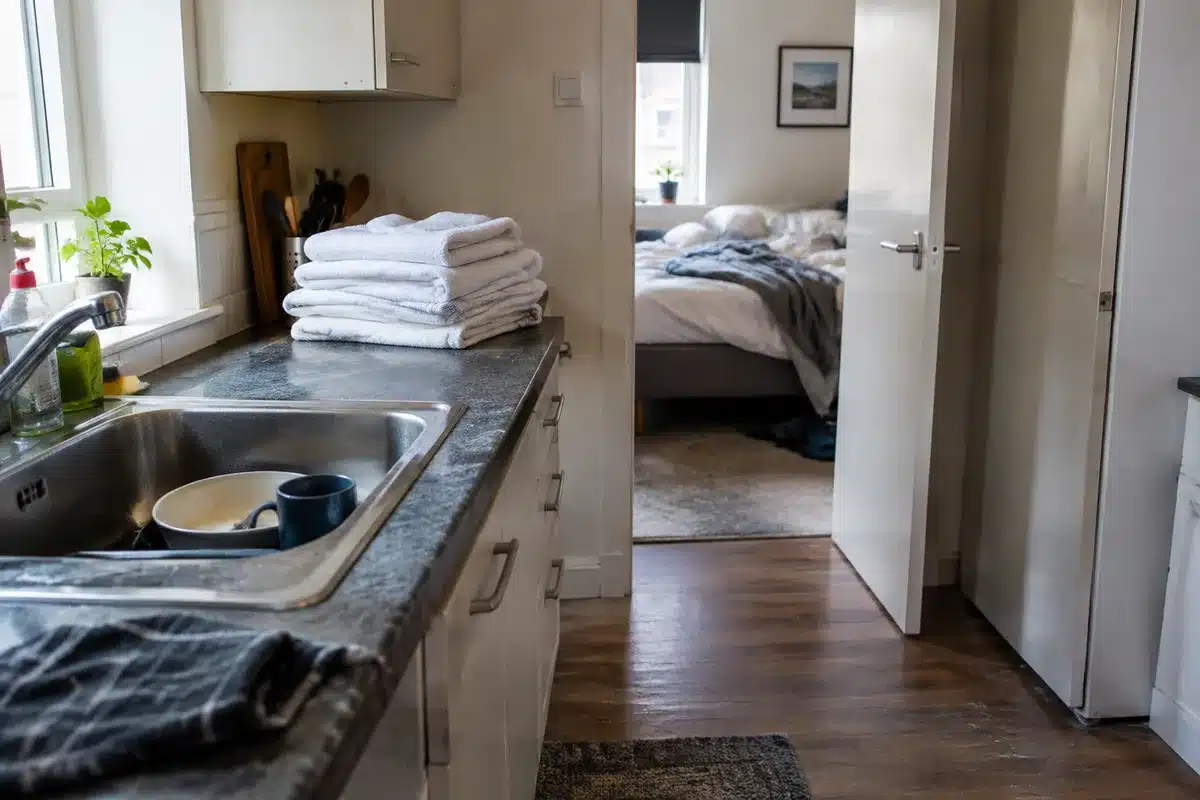
Under the updated house rules, hosts may not mandate checkout tasks that a hired cleaning crew would ordinarily perform. Airbnb says examples of prohibited requirements include stripping bed linens, washing dishes and putting them away, starting a laundry load, and hauling trash to an off‑site disposal location. The company also says hosts who repeatedly include such demands could face enforcement steps, including reduced visibility in search results.
Republicans urged to shift to positive messaging to close the deal
Russia strikes Kyiv with cluster munitions after agreeing to hold peace talks

Airbnb told hosts it will try to prevent violations earlier in the process: the listing editor will flag language that appears to breach the new rules, catching potential infractions when hosts create or revise house rules rather than only after a stay has ended.
What guests can still be asked to do
The policy does not allow guests to leave rentals in disrepair. Airbnb says reasonable, low‑effort requests remain permitted: leaving dirty dishes in the sink (rather than washing and putting them away), sorting trash into designated bins, gathering used towels in one place, and locking doors on departure are all acceptable. Hosts may also preserve narrowly scoped, verifiable local exceptions — for example, asking guests to conserve water in drought‑affected areas or to secure trash where wildlife is a documented hazard.
Financial accountability for damage or excessive mess remains in place through Airbnb’s existing resolution process; the November 20 update targets mandated departure labor but does not change guests’ liability for property harm.
Why Airbnb says it is changing the rules
The company framed the overhaul as a standardization effort intended to reduce confusion in its house rules and to address a long‑running complaint about “double charging” — travelers paying cleaning fees yet still being asked to do significant cleaning before they leave. Airbnb points to prior steps on price transparency: it said more than 260,000 hosts had reduced or eliminated cleaning fees by 2023, and that in April 2025 the platform made total price display the global default in search results.
Host reaction and operational concerns
The announcement produced immediate pushback inside Airbnb’s community forums. Multiple operators voiced concerns and some said they plan to relist properties on competing platforms such as Vrbo and Booking.com; at least one host confirmed publicly removing their listing after the policy was announced. Critics argue the rules create a gap between guest departure and the arrival of professional cleaners, raising pests and sanitation risks when dishes or trash are left in place. Some hosts also contend that asking guests to run a dishwasher or perform a single simple task is reasonable when renting out a private home.

“Guests are given complete freedom to be lazy while the hosts bear the risk.” wrote one long‑time operator in the community forum, warning the policy could end their tenure on Airbnb.
Broader policy shifts and next steps
The checkout ban is part of a wider rewrite of how Airbnb governs host‑guest agreements. The company now requires hosts to disclose all rules and requests in a dedicated listing section before a reservation is made and prohibits adding new requirements after a booking is confirmed. Hosts may not restrict access to amenities advertised in a listing, and a new “rules and requests” display will make expectations more prominent in the booking flow. Where a host retains any cleaning request under the narrow exceptions, the listing will carry an “includes cleaning requests” label so prospective guests can see this up front.
All changes apply only to reservations made on or after November 20, 2026, leaving existing bookings under their original terms. Whether hosts adapt their operations to the new policy or shift business to rival platforms will largely determine how the change affects the short‑term rental market going forward. Airbnb says the move is intended to reduce traveler friction that has pushed some guests toward traditional hotels, while the company balances the operational impacts on its host community.