Show summary Hide summary
- Free speech, foreign censorship demands and legal pressure on journalists
- Sanctions, tariffs and frozen assets
- Russian hybrid operations and threats to Western targets
- Technology on the battlefield: drones, interceptors and AI
- Domestic politics, disinformation and migration
- Broader context and other notes
A wide-ranging set of recent reports and commentaries has highlighted growing tensions at the intersection of free speech, national security and foreign policy. The items collected here touch on proposed legislation, legal threats to journalists, new sanction ideas, and evolving military risks posed by drones, artificial intelligence and hybrid attacks attributed to Russia.
Free speech, foreign censorship demands and legal pressure on journalists
One recurring theme is how governments and courts are pressing on online speech. Coverage notes that the GRANITE Act has been put forward as a way to reduce the burden on technology companies that are frequently asked to comply with foreign censorship demands; supporters say the measure could make it less costly for platforms to resist such requests.
At the same time, authorities in at least one European case are pursuing strong measures against a journalist. The reporting describes German authorities claiming sweeping powers in their case against Hüseyin Doğru, who has been accused of spreading Russian propaganda; those allegations remain a matter of legal process. Separate commentary quoted in the coverage warns that Germany’s law against Nazi symbolism is being used, according to critics, to silence dissenting opinions.
Sanctions, tariffs and frozen assets
Several pieces discuss U.S. proposals to use economic tools against Russia and countries that buy its fossil fuels. One bill described in the coverage would permit the president to impose tariffs of up to 100 percent on goods from countries that continue to purchase Russian fossil fuels; another account says a version of that measure reportedly passed both the House and Senate, though critics argue it lacks clear definitions of which countries would qualify for such treatment.
The coverage also notes that Western jurisdictions currently have more than $300 billion in Russian state assets frozen, and some commentators argue those funds should be deployed to support Ukraine’s defense against Russia’s invasion. Observers differ on the legal and diplomatic complications of repurposing frozen sovereign assets.
Russian hybrid operations and threats to Western targets
Multiple items in the package focus on what they describe as a campaign of disruptive and violent actions attributed to Russia. The reporting lists incidents including arson, bomb plots, assassination attempts and cyber-attacks aimed at Western countries, characterizing these as an expansion of Moscow’s toolkit short of—or alongside—conventional warfare. Analysts cited in the coverage warn that this pattern increases pressure on allied intelligence, law enforcement and infrastructure defenses.
Technology on the battlefield: drones, interceptors and AI
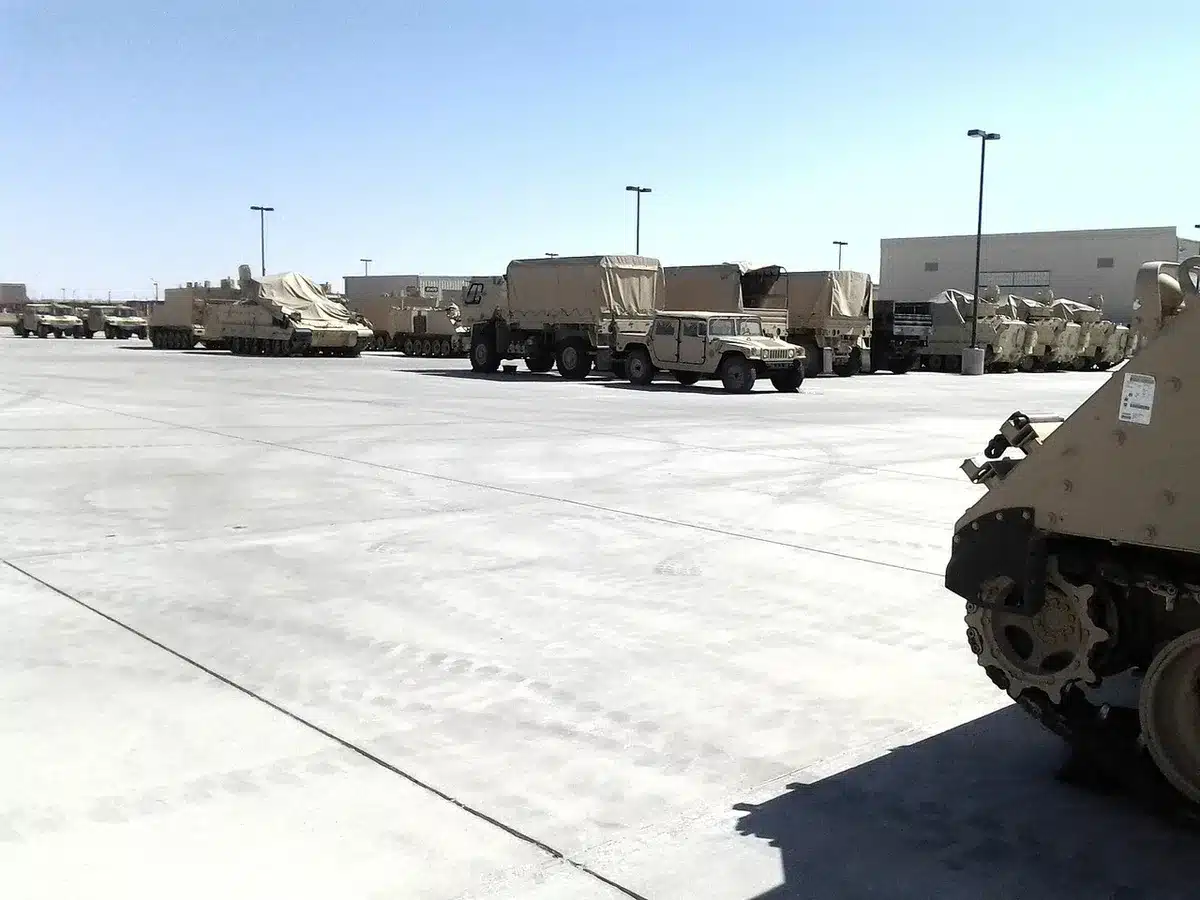
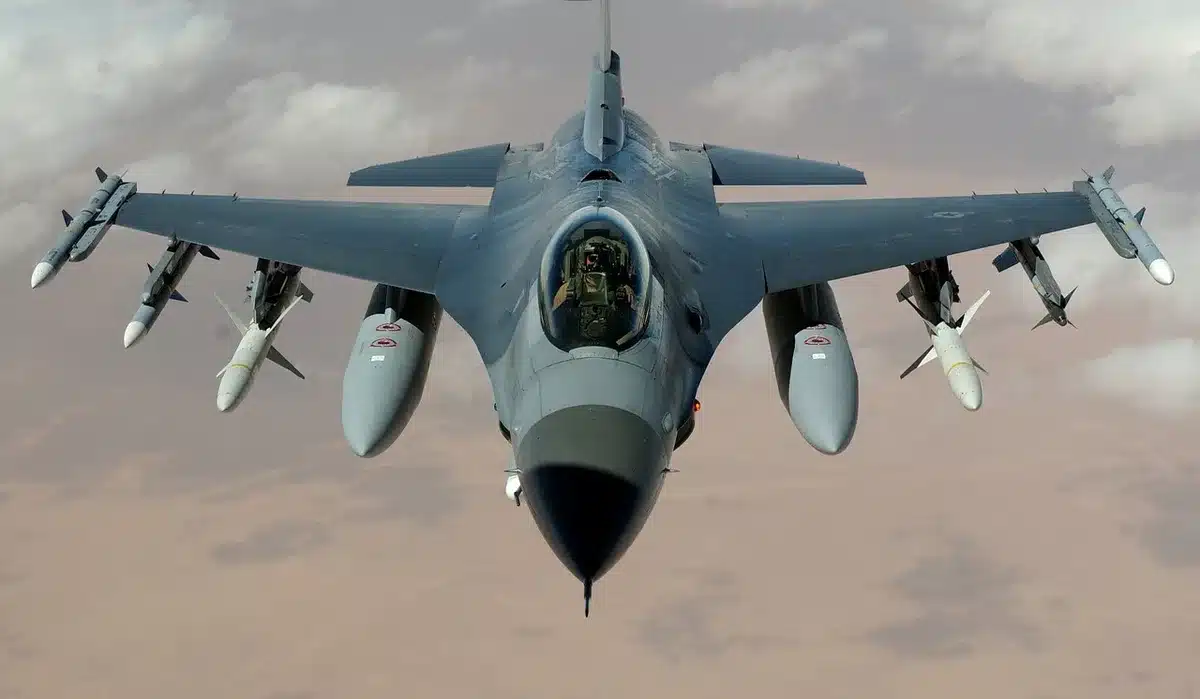
Coverage highlights two technological problems for U.S. planners. First, militaries are increasingly using artificial intelligence for surveillance and targeting, raising operational, legal and ethical questions as those tools become more widespread. Second, the United States faces a potential shortfall in air defense munitions: after heavy use of interceptors in recent conflicts, commentators warn that adversaries can manufacture inexpensive drones faster than the U.S. can replace missiles meant to destroy them, creating a difficult calculus for defense procurement and battlefield protection.
Domestic politics, disinformation and migration
Other items describe domestic political flashpoints. One report says the outgoing director of national intelligence under the Trump administration reportedly revived a Russian disinformation narrative in her final days in office. Another line of reporting highlights the administration’s deportation practices, noting critics’ concerns that some dissidents and persecuted individuals have been returned to hostile regimes despite public outcry in individual cases.
Broader context and other notes
The collection also touches on a range of cultural and historical items: reflections on Arctic military preparedness, analysis of how Cold War-era paranormal projects influenced intelligence work, and reminders that popular interpretations of Chernobyl’s legacy can still be misleading. It additionally flags the release of emails by congressional investigators connected to Jeffrey Epstein and references commentary on U.S. foreign-policy debates, including calls for greater European self-reliance.
Taken together, the reporting sketches a landscape in which lawmakers, courts, private companies and foreign adversaries are reshaping the boundaries of speech, sovereignty and security. Many of the matters described remain subject to legislative definition, legal proceedings or ongoing investigation, and commentators differ over the best policy responses.