Show summary Hide summary
Federal health officials concluded on September 23 that hydrogen sulfide levels over the Tijuana River Valley have reached concentrations that can harm human health, a finding residents on both sides of the U.S.-Mexico border have sought for decades. The confirmation has sharpened calls by California lawmakers and advocacy groups to use the United States-Mexico-Canada Agreement (USMCA) renegotiation as the vehicle for binding, enforceable cross‑border pollution controls.
New federal finding and the local toll
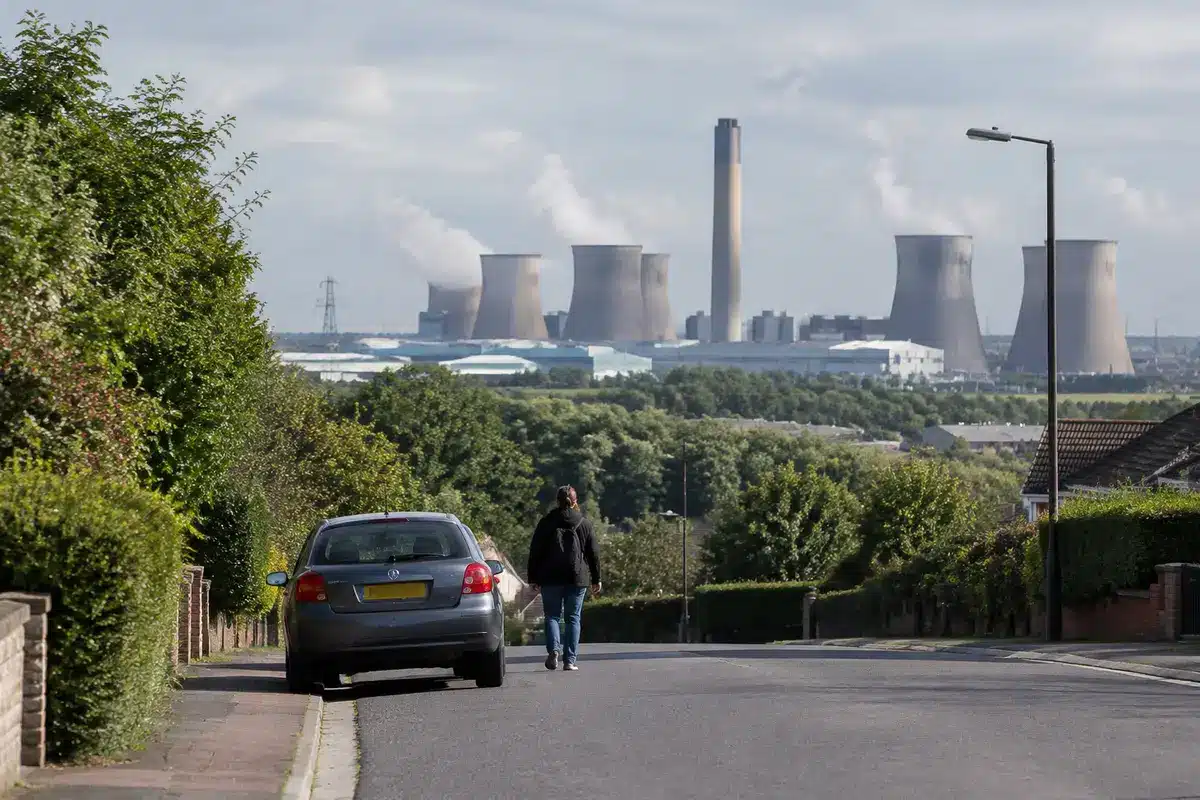
The Agency for Toxic Substances and Disease Registry’s (ATSDR) September 23 health consultation formally recorded that airborne hydrogen sulfide — a byproduct of untreated sewage — has reached levels in the Tijuana River Valley capable of producing respiratory symptoms, persistent headaches and eye irritation, according to the ATSDR finding cited in Latin Times reporting. Local residents in Imperial Beach, San Ysidro and Tijuana colonias say those symptoms are part of daily life.
DCCC seeks ads criticizing GOP approach to AI and data centers across dozens of House races
Clock shows 2:57
Environmental groups have long flagged the watershed’s degradation: American Rivers ranked the Tijuana River ninth on its 2026 most‑endangered rivers list, documenting contamination that affects homes, schools and workplaces across the border, the Latin Times account notes. A San Diego County epidemiological study is also collecting hair and blood samples to map long‑term biological impacts on residents living near the river.
Major sewage incidents and climate pressures
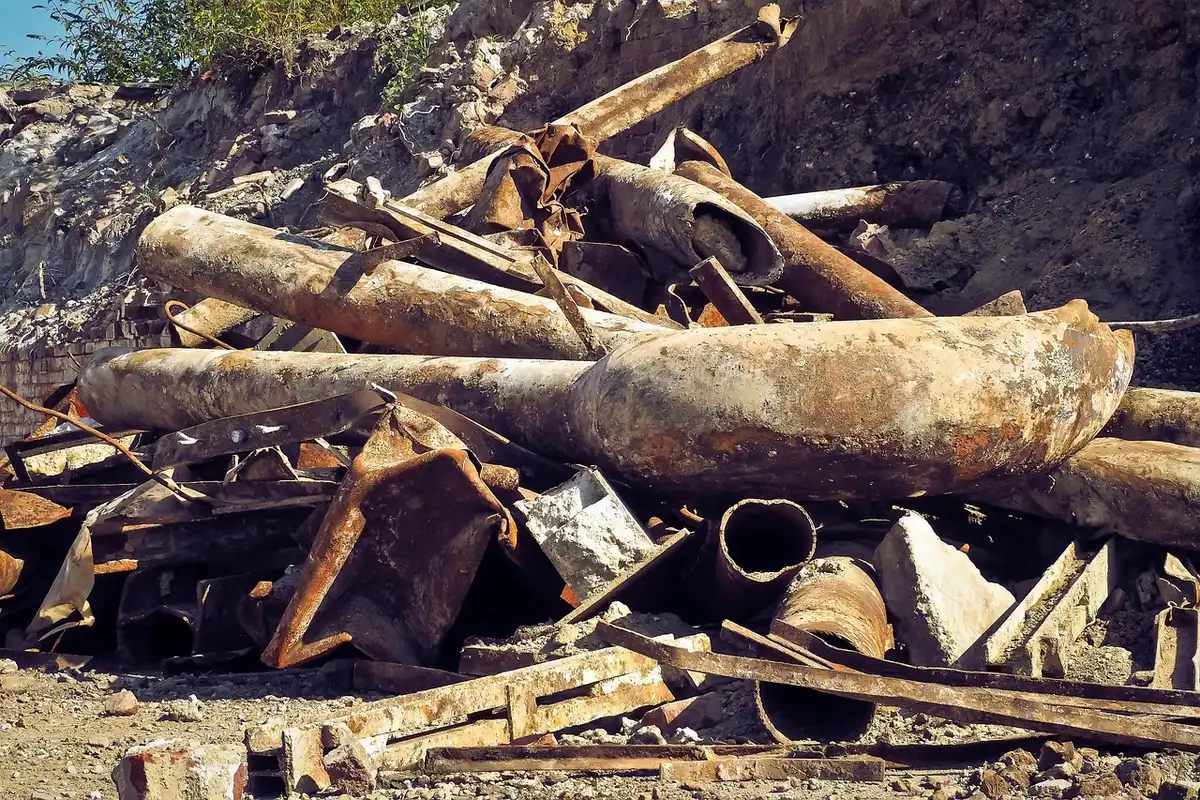
The contamination has been episodic and chronic. In late January 2026, a collapse in Tijuana’s Insurgentes Collector wastewater pipeline reportedly sent an additional 11.5 million gallons per day of raw sewage into the river while repairs proceeded. Treatment plants on both sides of the border have failed repeatedly over the past decade, releasing hundreds of millions of gallons of untreated waste into the watershed, according to the same reporting.
Heat waves in 2026 intensified the public‑health threat by driving airborne pollutants down to ground level and increasing community exposure, the Latin Times piece says. Local officials and experts warn that physical fixes alone may be insufficient as Tijuana’s population grows and strains aging wastewater systems.
USMCA commitments, lapse and political response
When the USMCA took effect in July 2020, it included a provision directing $300 million to the U.S. Environmental Protection Agency to plan, design and construct priority wastewater treatment infrastructure in the Tijuana River watershed. That funding and related bilateral agreements represented the most substantial federal action on the binational pollution problem in a generation, the reporting states.
On July 1, 2026, the Trump administration declined to extend the USMCA for a new 16‑year term at the agreement’s mandatory six‑year joint review, shifting the deal into rolling annual reviews. Although the agreement remains in force, advocates and elected officials fear that the move could hinder long‑term infrastructure commitments unless renegotiations include enforceable environmental standards and rapid‑response mechanisms for cross‑border sewage violations.
On July 24, 2026, Representatives Juan Vargas, Mike Levin and Sara Jacobs wrote to U.S. Trade Representative Jamieson Greer urging that any USMCA renegotiation incorporate binding environmental standards, according to the Latin Times summary. At a July 16 press conference in Otay Mesa, San Diego County Supervisor Paloma Aguirre framed the demand bluntly: “No more loopholes, no vague commitments, no more deferring responsibility.”
Lawmakers’ and advocates’ specific demands
California State Senator Steve Padilla introduced Senate Joint Resolution 13, enacted on July 2, 2026, which urges the U.S. government to secure binding, measurable commitments from Mexico to eliminate chronic sewage discharges into the Tijuana River watershed as part of the USMCA review process and calls for automatic nonrenewal if those benchmarks are not set, the Latin Times article reports.
Advocates also highlight an asymmetry in the USMCA’s enforcement tools: while the agreement includes mechanisms to compel corporate compliance with labor law, it lacks a comparable framework for environmental performance. Closing that gap — including penalties tied to measurable transboundary pollution events, a permanent funding mechanism for infrastructure, and a formalized role for the International Boundary and Water Commission and its Mexican counterpart (CILA) within USMCA institutions — is central to congressional and advocacy demands, according to the reporting.
Local action and infrastructure projects
San Diego County officials have moved in parallel. On September 2, 2026, county supervisors voted 4–1 to advance the Tijuana River Capture and Cleanup Initiative to design and build a sewage treatment system on the U.S. side, and they unanimously approved $4 million for design, environmental review and permitting at the Saturn Boulevard hotspot, where culverts aerosolize contaminated river water and hydrogen sulfide readings have been among the highest recorded.
Financing for large‑scale construction would depend on voter approval of Measure B, a half‑cent county sales tax on the November 2026 ballot projected to generate roughly $80 million a year for Tijuana River cleanup and to unlock up to $1 billion in bond financing, the Latin Times account states.
On the Mexican side, the Tijuana River Gates project — partially funded through U.S. border water infrastructure grants — aims to keep at least 5 million gallons per day of sewage out of the river. Construction on Phase 1 began in November 2025, with Phase 2 targeting completion in January 2027, though experts cited in the reporting caution that infrastructure must be paired with legally binding obligations to ensure long‑term effectiveness.
For more than 3.3 million residents of San Diego County, many of whom have ties on both sides of the border, the USMCA renegotiation is being viewed as the most direct lever available to convert decades of documented health harm into durable, enforceable accountability, according to the reporting by Latin Times.