Show summary Hide summary
Attorney General Todd Blanche and Agriculture Secretary Brooke Rollins co-signed an expanded Memorandum of Understanding on October 5 that formally elevates federal coordination to confront alleged anticompetitive conduct across seed, fertilizer, pesticide, fuel and other agricultural input markets. The move amends a staff-level agreement from September 2025 and signals a cabinet-level commitment to a sustained enforcement effort as farmers face rising operating costs.
What the MOU changes
The revised agreement creates formal channels for regular consultation between the Justice Department and the U.S. Department of Agriculture and binds both departments to coordinate enforcement strategy across the full agricultural supply chain. The original cooperation framework had been a working-level arrangement between the DOJ’s Antitrust Division and the USDA, signed in September 2025; the October 5 signatures by Blanche and Rollins place the issue at agency leadership levels.
Trump says super PAC will assume funding for controversial ads paid with public money
New SNAP rules take effect October 2026, affecting immigrant households across four states
Which markets are in scope — and why that matters
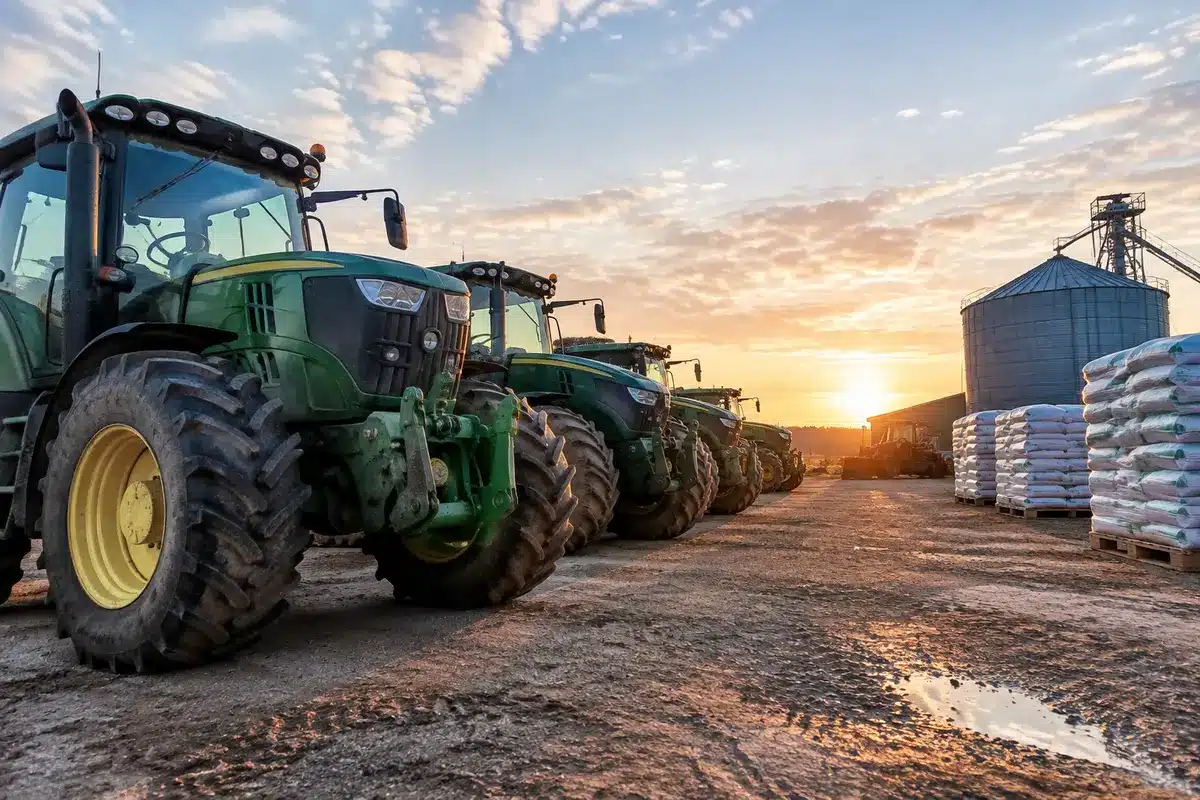
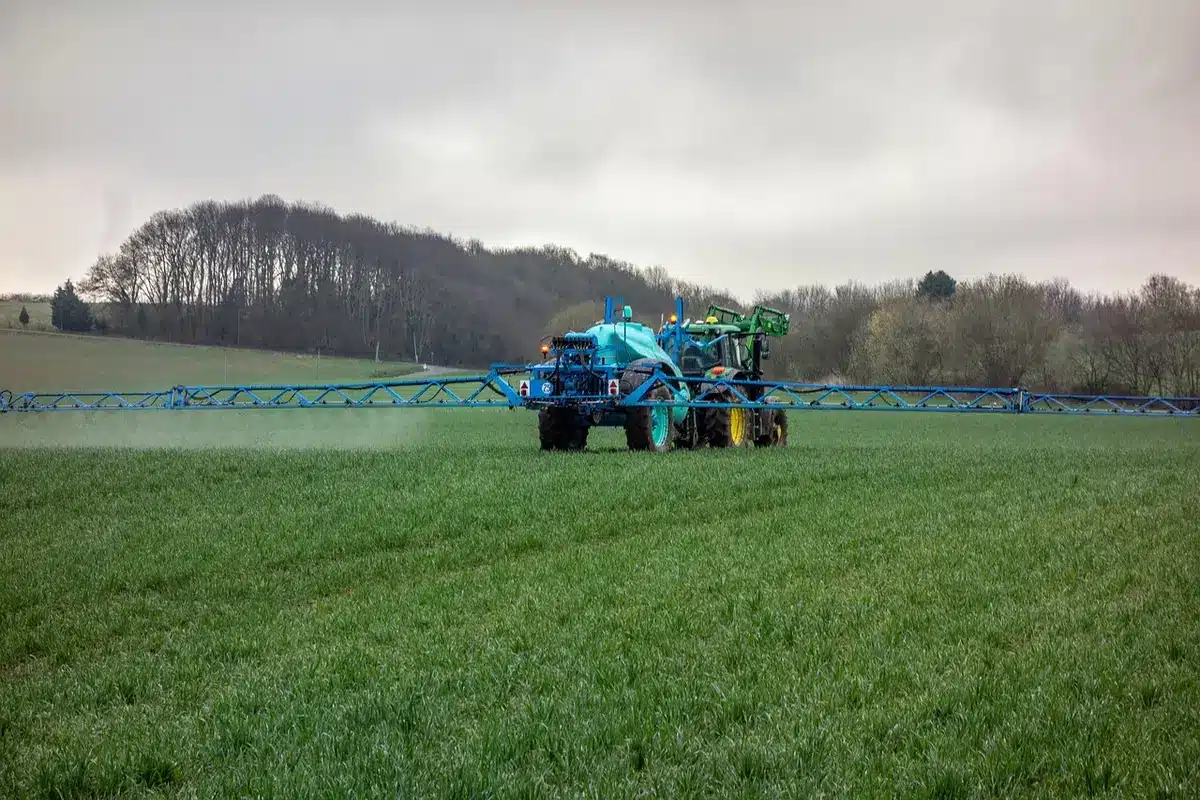
The MOU explicitly covers seed, pesticides, feed, fertilizer, fuel and farm equipment. Officials and advocates have argued that consolidation and bundled sales practices span multiple input categories, locking farmers into integrated packages of seed traits, agrochemicals and digital services that can limit independent buying choices and raise costs across the board. By naming pesticides and other inputs alongside fertilizer, the departments are signaling scrutiny of the entire input stack, not only the commodities that have attracted the most attention.
The fertilizer focus and the “duopoly” allegation
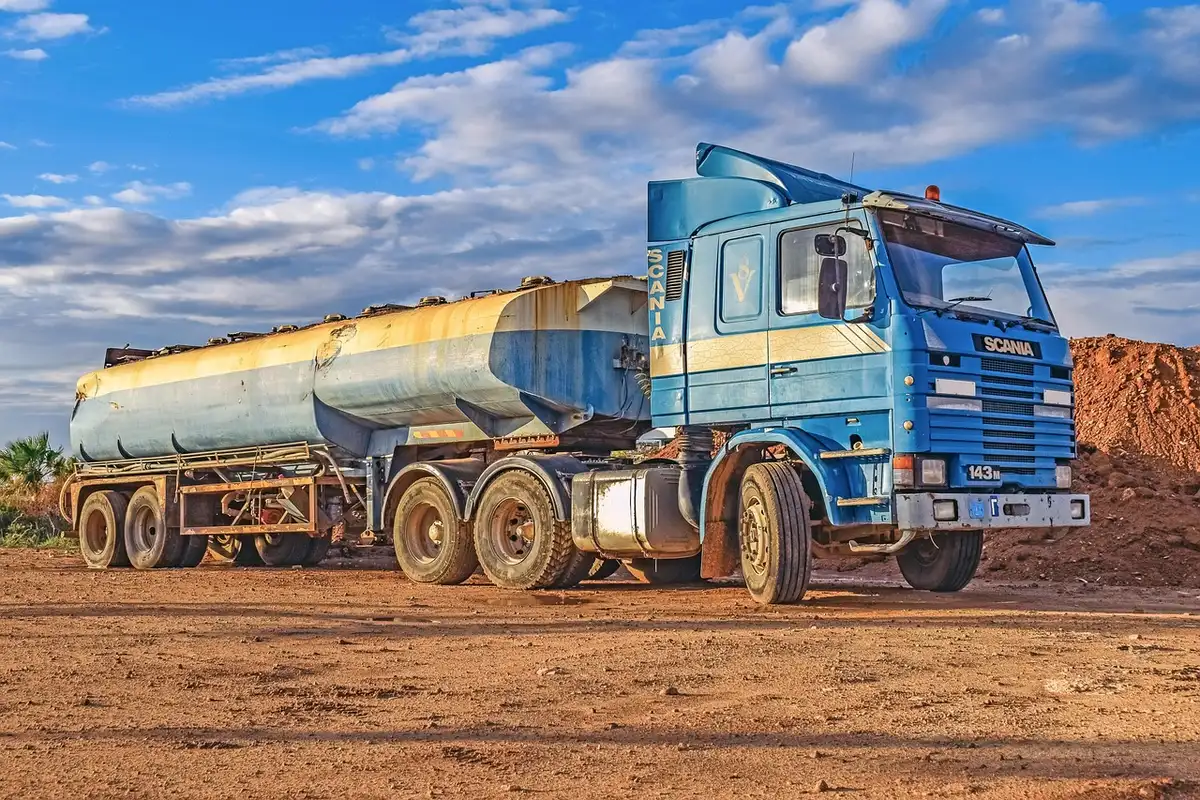
Fertilizer has been the most visible flashpoint. Antitrust complaints filed in federal court allege that a small group of manufacturers controls roughly 82% of the U.S. nitrogen market, between 90% and 95% of potash, and about 91% of phosphate; those numbers are plaintiff allegations and have not been independently confirmed by federal agencies. USDA Deputy Secretary Stephen Vaden has publicly singled out Mosaic and Nutrien, calling their market position a “duopoly” in January 2026 remarks to the National Agricultural Law Center and pledging the administration will “do everything it can” to ensure farmers have access to affordable fertilizer.
Grower groups have pressed the point. In July 2026, corn grower associations from 17 states wrote Senate Judiciary Committee leaders urging the DOJ to investigate fertilizer pricing practices “as fully and expeditiously as possible,” warning that high input costs threatened the farm economy. Separately, the administration’s June 29 suspension of countervailing duties on phosphate imports from Morocco carried a USDA estimate that the measure could save U.S. farmers roughly $1.82 billion annually, though some grower groups said price relief had not yet reached farm-level buyers ahead of the 2027 planting season.
Three agencies are now working in parallel
The expanded MOU comes as the Department of Justice, the Federal Trade Commission and the USDA are each scrutinizing agricultural inputs. The DOJ opened a fertilizer price-fixing probe in March 2026 examining potential civil and criminal antitrust violations involving major producers including Nutrien, Mosaic, CF Industries, Koch and Yara. The FTC announced an industrywide antitrust inquiry in May; FTC Chairman Andrew Ferguson described the probe as a “major” undertaking. Each agency brings different legal tools — the DOJ criminal enforcement authority, the FTC’s civil enforcement and subpoena powers, and the USDA’s administrative and rulemaking capabilities — which officials say makes coordinated action more potent.
Antitrust Division Assistant Attorney General Abigail Slater, who oversees the DOJ’s work in this area, framed the stakes when the initial MOU was announced: “Antitrust enforcement ensures free market competition for agricultural inputs, lowering costs for farmers and prices for consumers.”
Farm economics and the timing pressure
Analysts cited in the departments’ discussion project operating costs for corn to be about 4% higher in 2026 than in 2025, with soybean costs roughly 6% above the prior year; those cost increases come even as crop prices have remained largely flat, creating a profit squeeze that farm groups describe as existential. Whether the coordinated enforcement and any structural remedies deliver measurable relief before the 2027 planting season is the practical yardstick many producers will use to judge the initiative’s effectiveness.
How farmers can report anticompetitive conduct
The MOU activates two reporting channels. The DOJ’s Antitrust Division accepts complaints via the Citizen Complaint Center at 1-888-647-3258 or by email at antitrust.complaints@usdoj.gov. Producers with concerns specific to livestock and poultry markets can submit information through the Agricultural Markets Enforcement Partnership portal at farmerfairness.gov, a joint USDA–DOJ intake system.
The October 5 signatures signal a sustained federal focus on agricultural inputs; the departments’ ability to resolve alleged price and market-structure problems in time to ease immediate cost pressure for farmers will shape whether the move changes conditions at the farm supply counter.