Show summary Hide summary
The United Nations Environment Programme (UNEP) warned in an update released Wednesday that the world is on track for more warming than scientists estimated a year ago, and the report singled out recent U.S. policy shifts and rising American emissions as a major factor, The Associated Press reported.
UNEP’s calculations show that if countries meet the climate pledges they have submitted to the United Nations, global temperatures are still likely to rise another 2.2 degrees Fahrenheit (1.2 degrees Celsius) above current levels — roughly 0.1°C (0.2°F) more than the team projected last year. Measured against pre‑industrial temperatures, the report says the world would warm about 2.6°C (4.7°F) by 2100 under pledged policies; continuing on the current path without the pledges would raise temperatures about 2.8°C (5°F), the same estimate as last year.
U.S. policy and emissions highlighted
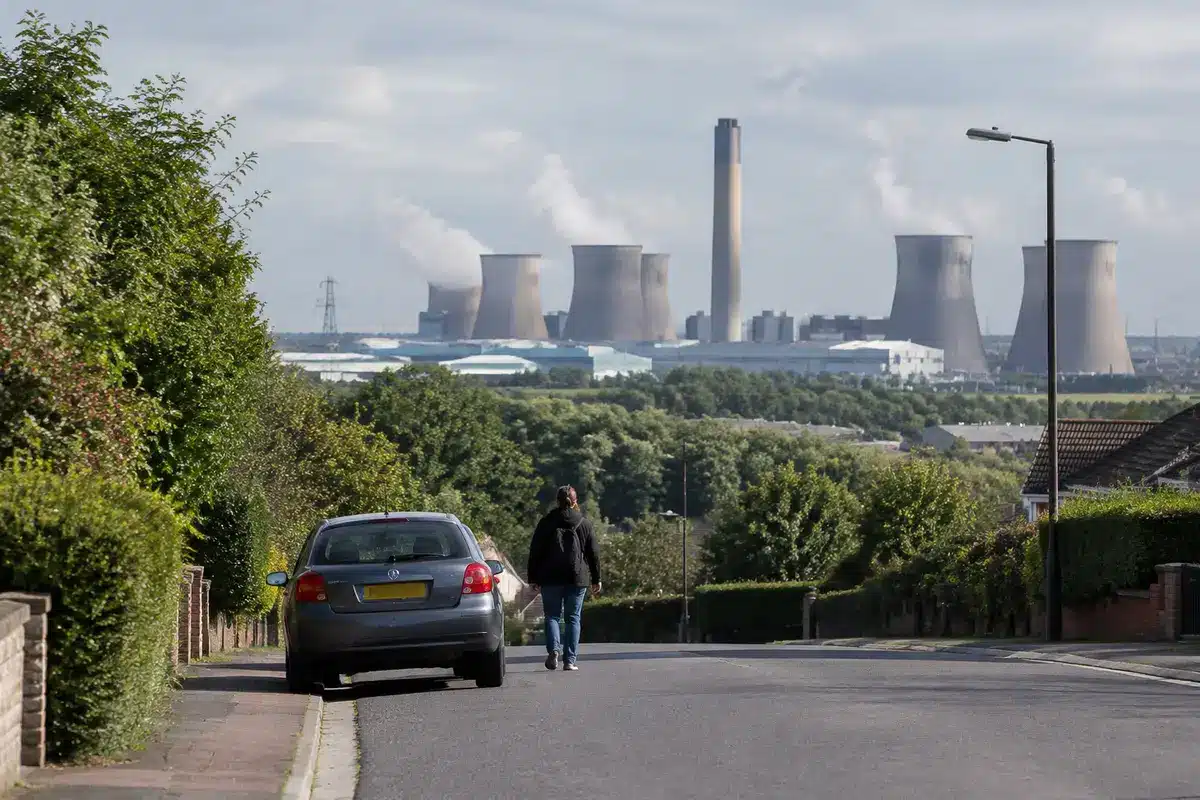
The report attributes part of the worsening outlook to the formal U.S. withdrawal from the Paris Agreement and to increased U.S. emissions in the latest year of data. UNEP said the United States added roughly 133 million metric tons of CO2 equivalent, a rise that the report says was driven by higher electricity demand and a rebound in coal power generation.
DCCC seeks ads criticizing GOP approach to AI and data centers across dozens of House races
Clock shows 2:57
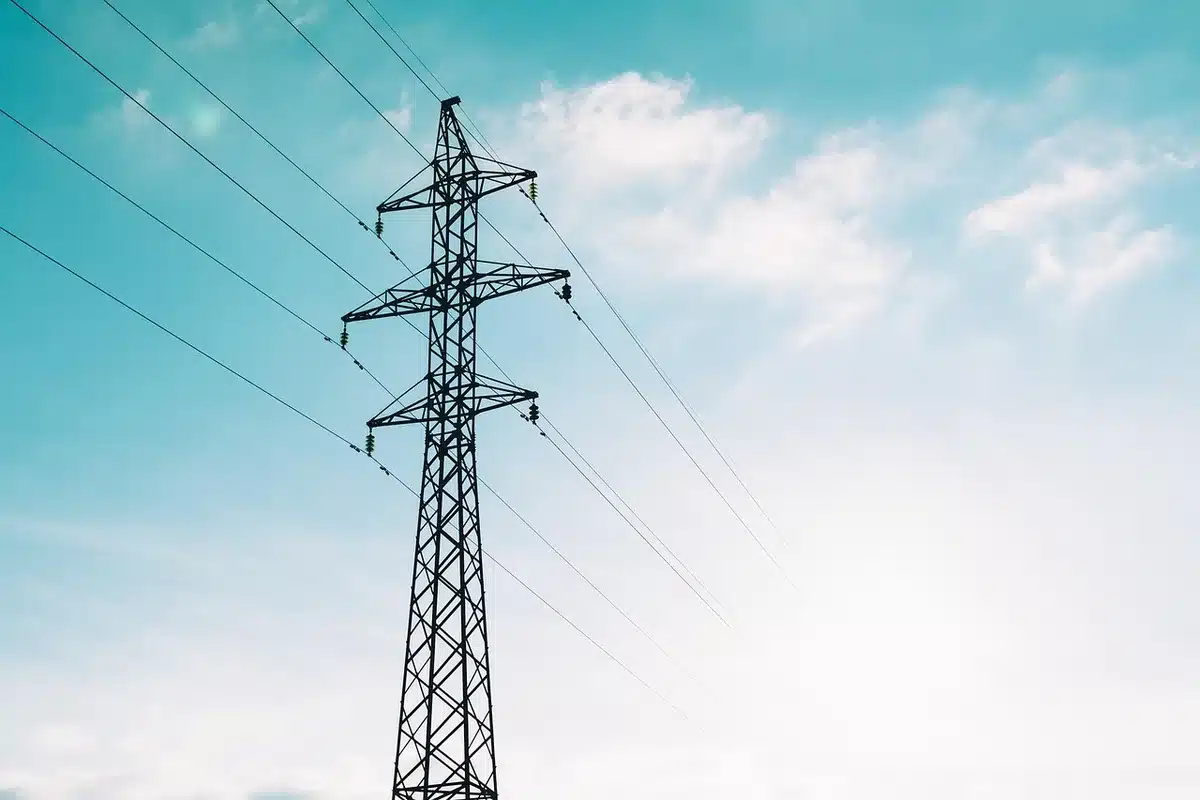
According to the update, 124 countries increased their emissions in 2025 while 63 countries — largely in Europe — decreased theirs. The 124 countries together added about 189 million tons of carbon dioxide in 2025, and the report says about 70% of that increase came from the United States.
“This is a worse outcome than expected last year, as a result of the formal withdrawal of the United States of America from the Paris Agreement and revised estimates of historical emissions,” the UNEP report said, quoted by The Associated Press.
Outside scientists quoted in the AP story said the U.S. role is significant. Bill Hare, chief executive of Climate Analytics, who was not part of the UNEP team, said the United States is actively promoting coal and discouraging renewable deployment: “The United States is going ‘hell‑for‑leather trying to block renewables while actively promoting and subsidizing dirty coal — and its diplomacy is trying to make other countries also pull back on action. It is looking at the fire, denying there is a fire, and then pouring more petrol on it.”
Projected consequences and calls for rapid cuts
UN officials said the new projections make clear that the world is well past the 1.5°C (2.7°F) goal in the 2015 Paris accord and will likely exceed the 2°C (3.6°F) threshold unless emissions are rapidly reduced. The planet is currently about 1.4°C (2.5°F) warmer than pre‑industrial times, UNEP noted, and United Nations officials acknowledged there is no realistic pathway now to stay within 1.5°C without large-scale future removal of carbon dioxide from the atmosphere.
United Nations Secretary‑General António Guterres said the gap is dangerous but said tools exist to change course. UNEP Executive Director Inger Andersen called for drastic cuts, saying the world needs an 18% reduction in global carbon emissions by 2030 and a 69% reduction by 2040 to restore a manageable trajectory.
Others cited in the AP story stressed human and ecological costs of even small additional warming. Mohamed Adow, director of Power Shift Africa, said an extra tenth of a degree Celsius is far from trivial: “An extra tenth of a degree might sound insignificant, but in climate terms it is enormous. It means more dangerous heat waves, more destructive floods, more failed harvests and more lives lost.” University of Pennsylvania climate scientist Michael Mann told the AP that the extra warming could shave about $1.2 trillion from the global economy, while Johan Rockström of the Potsdam Institute suggested U.S. inaction could weaken global ambition further.
Anne Olhoff, lead author of the UNEP update and director of the UNEP Copenhagen Climate Centre, said the U.S. policy change alone is likely to add roughly 0.1°C (nearly 0.2°F) to end‑of‑century warming, a change the report frames as having wide and damaging consequences for people and ecosystems.
The findings and quotes above are drawn from the United Nations Environment Programme update and reporting by The Associated Press.