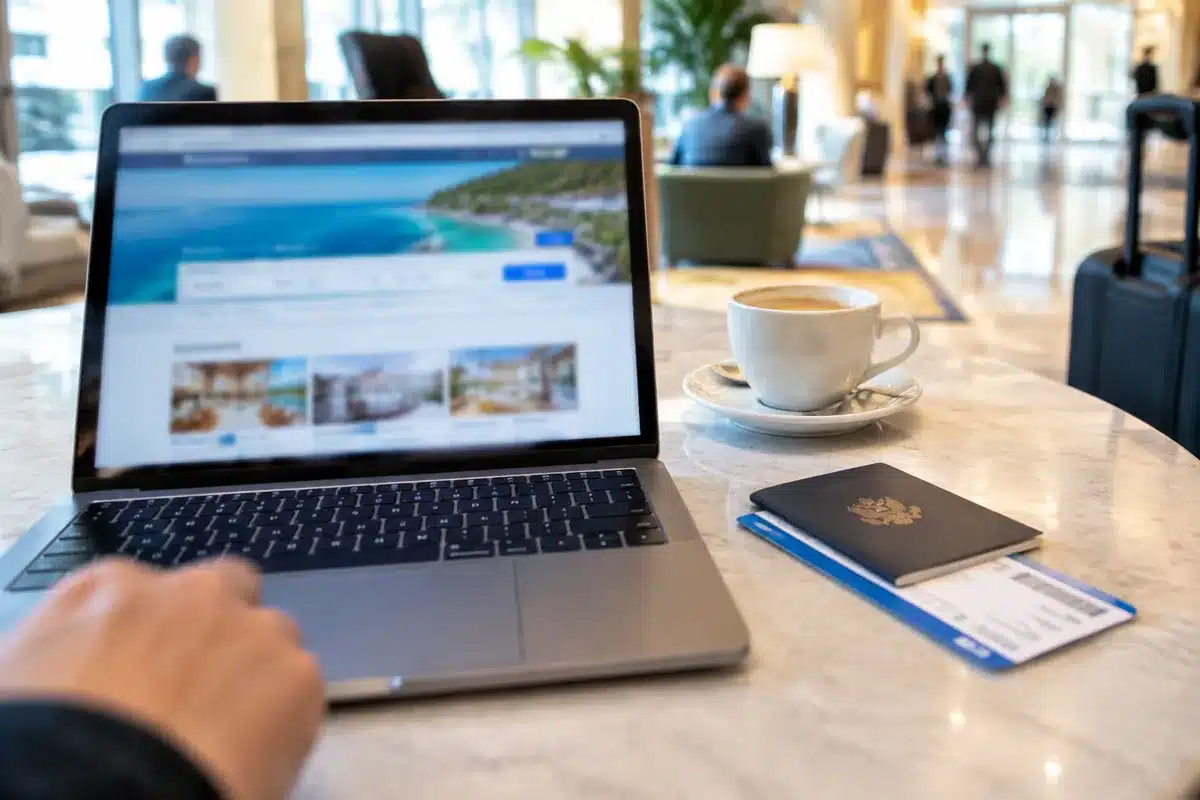
The European Commission has opened a formal investigation into Booking.com to determine whether the short-term rental and hotel platform has done enough to block fake accommodation listings, scams that exploit reservation data and inadequately labelled paid placements. The probe, announced on Wednesday, will assess whether Booking.com met its obligations under the Digital Services Act, the EU’s platform safety law.
Commission investigators will examine how guest and reservation details are transmitted to accommodation providers and whether the platform’s messaging service sufficiently protected users from fraudulent payment requests. They will also review Booking.com’s procedures for identifying and removing nonexistent properties, impersonators and listings that break the rules, and will scrutinize the platform’s handling of paid placement and advertising transparency.
The commission said it will look into cases where properties pay higher commissions for better placement in search results and whether those listings are clearly recognisable as advertisements, with transparent information about who paid and why the listing appears prominently.
Melania Trump says that she helped negotiate temporary ceasefire in Ukrainian town
Former chief creative officers from AKQA launch new company seeking equity compensation
Before opening the formal proceedings, EU officials reviewed four years of risk assessments, transparency reports and responses to information requests sent to the company in September 2025 and May 2026. The commission noted that it has not established a breach of the law at this stage.
“Europeans should be able to book their holidays without fear of being scammed. The Digital Services Act sets clear responsibilities on platforms to address these risks, and we must ensure that the leading booking platform in Europe takes those responsibilities seriously,” said Henna Virkkunen, the commission’s executive vice president for tech sovereignty, security and democracy.
Reports of fraud affecting travelers predate the investigation. In April 2024, Lloyds Bank warned that scammers were posing as hotels through Booking.com’s app to request extra payments or financial details. The bank highlighted a case in which one customer lost £534 (about $715) after being told to pay more by bank transfer or lose her room; when she arrived, there was no hotel at the address.

A Booking.com spokesperson said the company is cooperating fully with investigators and emphasised that “security, trust and the protection of personal information are top priorities at Booking.com,” adding that the firm works with authorities and industry partners, educates travellers and accommodation providers, and warns users about WhatsApp phishing and inconsistent payment requests.
The spokesperson pointed to technical and policy measures the company says it uses to curb fraud, including mandatory two-factor authentication for partner accounts, malicious-link blocking and artificial intelligence to intercept fraud. The company also said in-house systems blocked 14 million fraudulent transaction attempts before they reached partners last year, a 22% increase from the prior period, according to the spokesperson.
Consumer groups welcomed the inquiry but warned the problem is widespread. Agustín Reyna, director general of the European Consumer Organisation BEUC, said “At a time when people across Europe are bombarded with fraudulent content online, companies must urgently abide by the rules and clean up the financial scams circulating on their platforms.” BEUC has warned that fraudsters reach millions of Europeans and can put hundreds or thousands of euros at risk, calling the issue systemic and in need of urgent action.
A European Commission spokesperson told reporters the investigation into Booking.com will be treated as a priority but stressed that no conclusions have been reached. Investigators will continue gathering evidence through further information requests, interviews or inspections and may impose interim measures, issue a formal finding of noncompliance or accept commitments from Booking.com to address identified problems.
This report is based on reporting by Courthouse News. Courthouse News reporter Eunseo Hong is based in the Netherlands.