Show summary Hide summary
The Honduran government has contracted a series of cloud-seeding flights over parched farmland in the country’s mountainous Dry Corridor in an effort to coax rain as El Niño and warming seas worsen drought across Central America. Officials paid a Mexican company about $750,000 for 20 flights intended to trigger precipitation over crops and pastures in communities such as Nueva Concepcion, roughly 90 minutes north of Tegucigalpa.
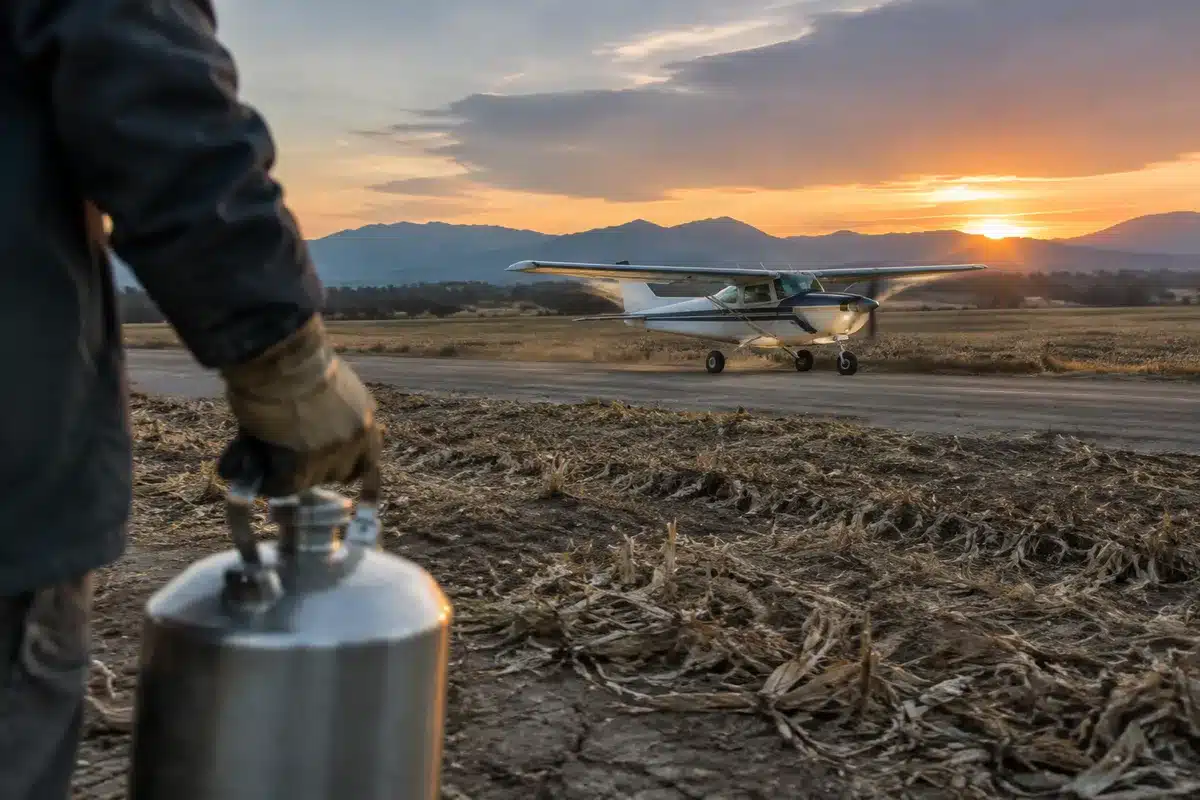
From the cockpit of a small aircraft, pilot Victor Torres and a technician release silver iodide particles into darkening clouds as the plane banks over cracked corn and bean fields. The operation is part of a broader package of emergency measures that Honduran authorities and international aid groups say includes fortifying irrigation systems, building reservoirs and distributing food, fertilizer and seeds.
Meteorologists question cost and effectiveness
Some weather scientists warn that cloud seeding is an expensive, uncertain response to a prolonged drought. Nabil Kawas, a meteorologist and former dean of sciences at the National Autonomous University of Honduras, called the flights “an experiment.” He said the money might have gone further if invested in long-term water infrastructure such as reservoirs or irrigation.
DCCC seeks ads criticizing GOP approach to AI and data centers across dozens of House races
Clock shows 2:57

José Francisco Ordóñez, a spokesman for Honduras’ Secretary of Agriculture, defended the program as one element of the government’s climate mitigation efforts. Ordóñez said the flights have increased rainfall between 20% and 60% in targeted areas compared with projected amounts, and officials hope to extend that effect. Kawas questioned those figures, noting a previous cloud-seeding effort during comparable droughts produced less than a 10% increase in rain.
Farmers facing acute food shortages want wells, not experiments
Subsistence farmers in Nueva Concepcion say they need reliable water sources rather than what some describe as a gamble with the weather. Eighty-one-year-old Carlos Alberto Hernández, who depends on two annual bean harvests and cannot afford irrigation, watched his first crop of the year wither as drought alerts were issued this summer. “We can’t afford to buy food. What we grow, that’s what we live off,” Hernández said.
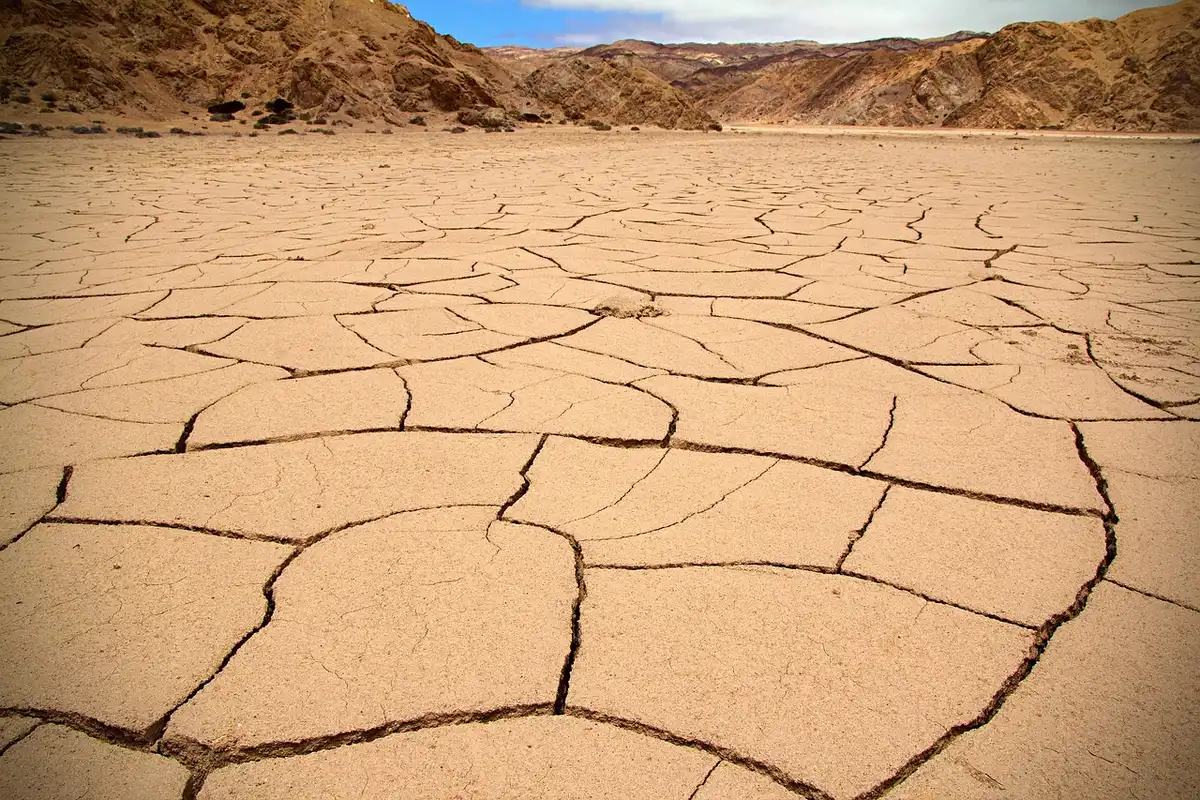
Aníbal Zúñiga, who coordinates World Food Program aid distribution in Nueva Concepcion, said families are resorting to selling animals and tools and are going hungry. “Families are going to bed with one or two meals a day, and that’s after turning to other survival strategies like selling off their animals, their tools … just to get by,” Zúñiga said. The World Food Program estimates nearly 50 million people globally could be pushed into acute food insecurity as El Niño is expected to last into 2027, and Central America is among the hardest-hit regions.
Ordóñez estimated that many farmers have lost 80% to 90% of their crops this year. The WFP coordinated a recent food shipment to the community—its first there—funded in part to respond to urgent needs.
Regional outlook and wider impacts
El Niño’s broad influence is already prompting emergency measures across the region. Salvadoran authorities declared a six-month state of emergency, and Guatemala approved emergency steps that include tariff-free imports of staple grains to mitigate hunger in poorer indigenous communities. In Nicaragua, exiled opposition figures have criticized the absence of an emergency declaration or contingency plan; the Nicaraguan government did not respond to requests for comment.
The World Meteorological Organization projects El Niño will persist through February, and the U.S. National Weather Service has warned it is likely to strengthen and could set new records. Forecasters say the pattern may divert the little rain the Dry Corridor normally receives to other regions, exacerbating drought in Central America while increasing the risk of floods and storms elsewhere.
Back in Nueva Concepcion, farmers who were able to plant new bean seedlings after recent rains say their fate still depends on follow-up precipitation. Hernández watches the first sprouts closely and summed up the uncertainty of life on rain-fed land: “You go to bed at night, and you wake up in the morning praying to God that he sends water,” he said.