Show summary Hide summary
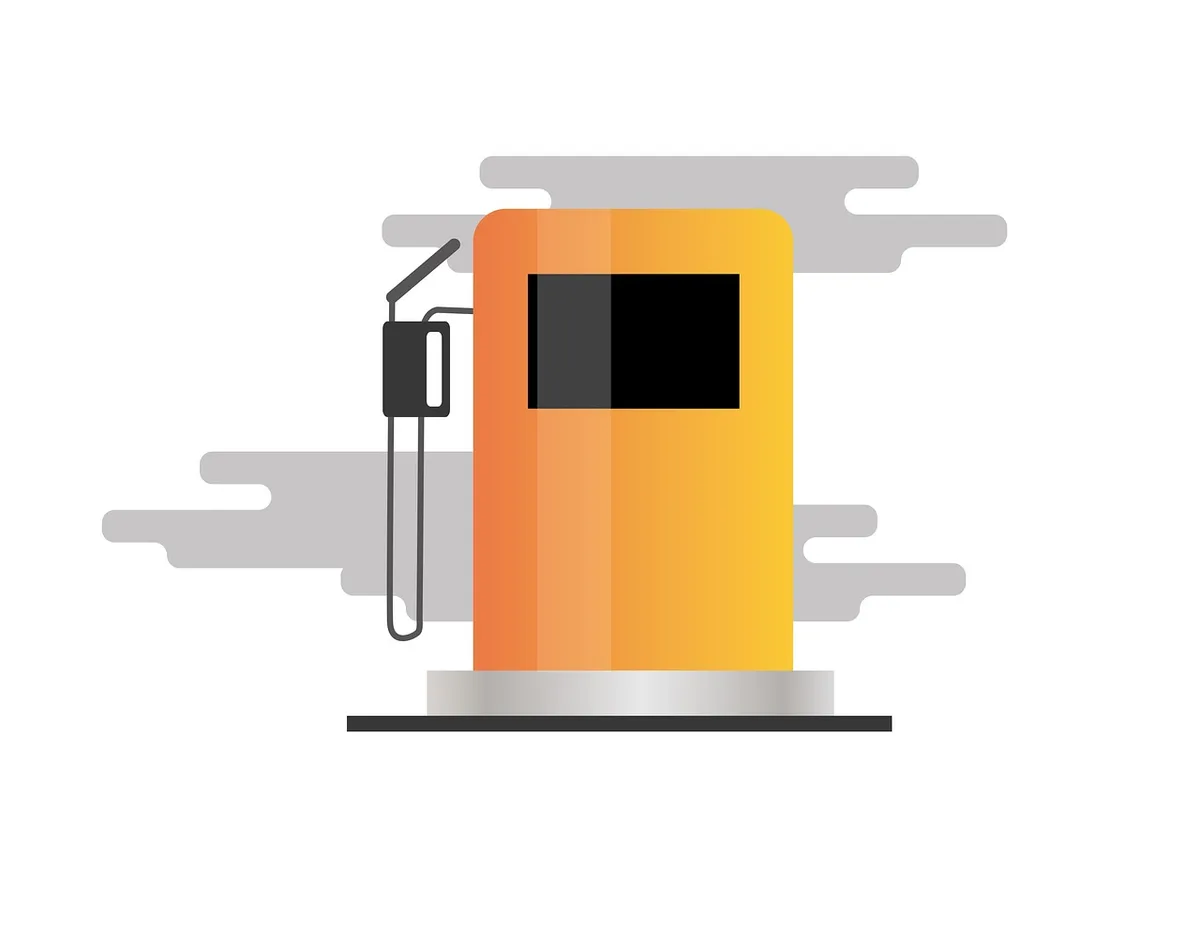
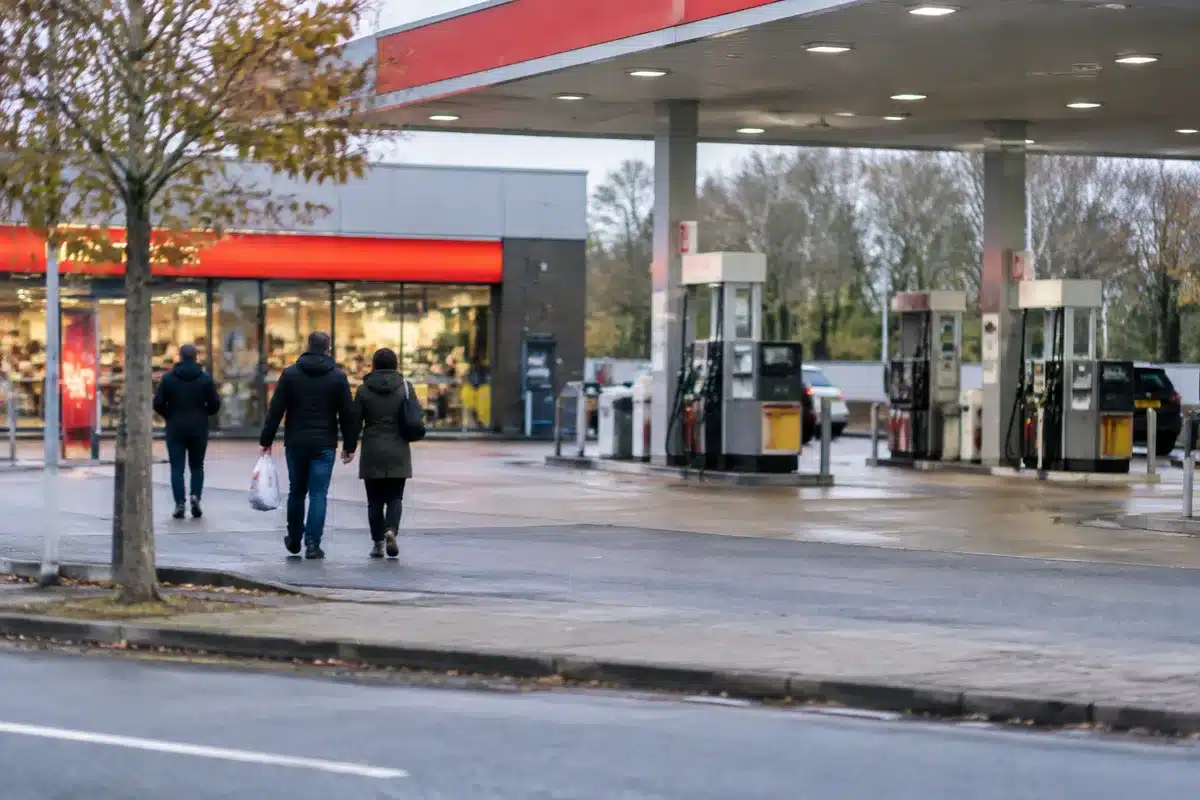
Austin’s planned Project Connect light rail could require land under the gas station in front of JD’s Supermarket #9, a move community members warn could strip the store of critical foot traffic and leave Southeast Austin with a new food desert. The Austin Transit Partnership (ATP) says the rail design does not displace the supermarket building itself, but a pending partial land acquisition along Riverside Drive would affect the pumps and adjacent sidewalk.
What Project Connect would take
Project Connect is a proposed 9.8-mile light rail line with about 15 stations that is scheduled to break ground in 2027. In March 2026, ATP sent a letter to JD’s management saying a portion of the property “will be needed for the proposed transit project” and that the business could be entitled to relocation assistance, according to the Austin Chronicle. ATP has since said design work is ongoing and that it has reduced the number of properties facing potential eminent domain by about 5 percent, but the agency acknowledges a partial acquisition of the Riverside Drive frontage — specifically the gas station footprint and sidewalk — remains a possibility.
Why the pumps matter
Store managers and local advocates say the gas station is not an incidental amenity but a revenue and traffic driver that supports the supermarket’s viability. Vanessa Calixto, JD’s risk manager, told KXAN losing the pumps would push the business into “survival mode” and could lead to permanent closure. She added, “If this transit line forces our doors to close it will instantly create a food desert for the low-income families who depend on us for accessible groceries.” The supermarket estimates the gas operation generates roughly $64,600 of the store’s projected $661,343 in annual tax revenue — a significant share for a minority-owned grocer operating on thin margins.
Community role and stakes
JD’s Riverside location, opened in 2023, serves a largely Latino corridor where about a third of residents live below the federal poverty line, the company says on its website. The store reports serving around 2,250 customers using EBT benefits each month at that location and has created about 90 jobs since it opened. Those figures, and neighborhood organizers, have made JD’s a focal point for concerns about equitable development: more than 1,500 people have signed a “Save JD’s” petition, and a public news conference on Oct. 9 drew community organizers and elected officials. State Rep. Lulu Flores attended and publicly backed the transit expansion while warning about the potential community cost.
How this fits into broader trends
Advocates and scholars say the situation in Austin reflects patterns seen in other U.S. cities, where new transit lines have coincided with demographic shifts and the displacement of immigrant- and minority-owned businesses. Research from UCLA’s urban planning program found neighborhoods near new rail stations in Los Angeles County tended to shift toward higher-income, whiter populations over the studied period, with immigrant-owned commercial corridors particularly vulnerable. Similarly, communities along the Washington, D.C., Purple Line reported that construction put immigrant- and Black‑owned small businesses under severe financial strain; in some cases community coalitions negotiated binding anti-displacement agreements to help affected businesses stay.
Protections advocates say are missing
Local advocates say Austin lacks two safeguards that have made a difference elsewhere: a dedicated displacement fund for affected minority businesses and a binding community benefits agreement guaranteeing a viable path to remain in place rather than only relocation assistance that may be unaffordable. ATP says it continues to search for design alternatives that reduce impacts on neighboring properties, but community leaders say that commitment has not yet produced a concrete plan to preserve the supermarket and the livelihoods of its roughly 90 employees.
The project’s design process will determine whether the gas station remains intact or is acquired. Until design choices are finalized, business leaders, residents and elected officials are pushing for stronger, legally binding measures to prevent the displacement they say often follows transit expansion.