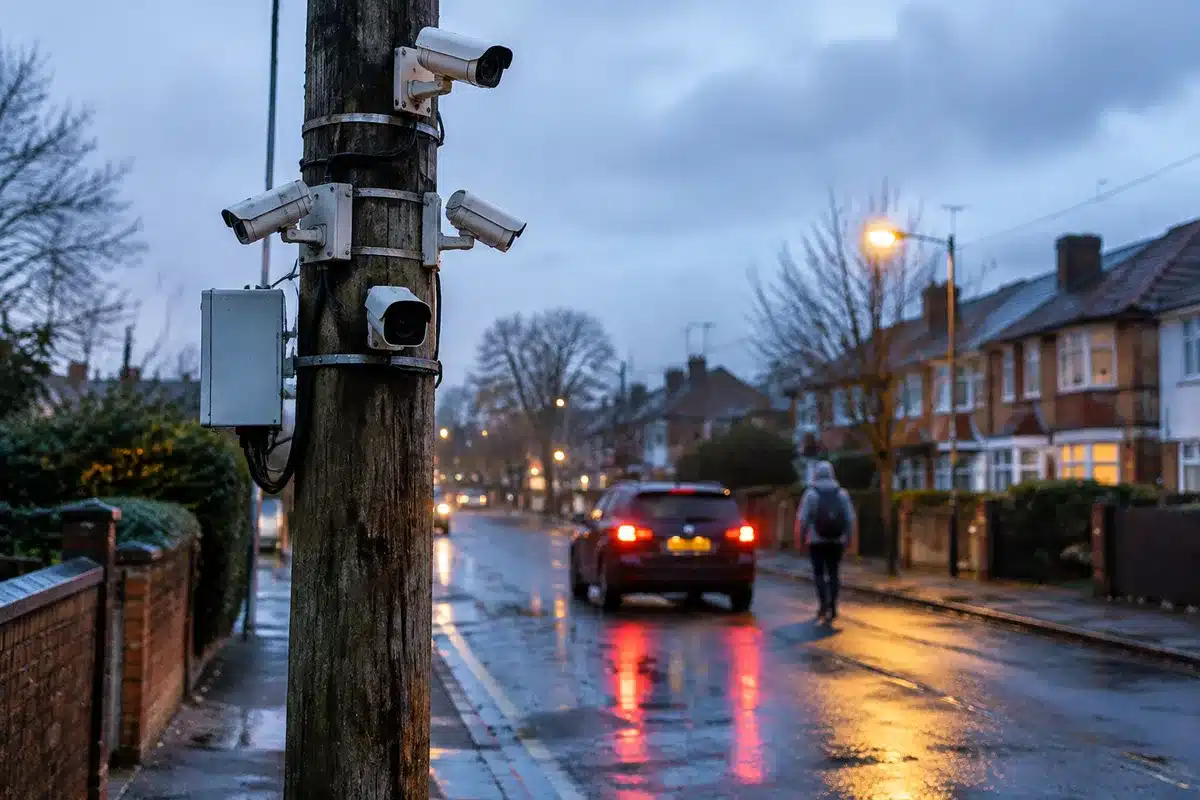
Growing public resistance to automated license plate readers (ALPRs) — especially systems marketed by companies such as Flock Safety — is forcing new scrutiny from citizens, courts and some elected officials over how police track vehicles and store location data. Civil‑liberties groups, local activists and a series of lawsuits say the cameras enable routine, warrantless surveillance of innocent motorists and demand clearer rules, auditing and limits on data use.
ALPR systems scan and log license plates from passing cars, creating searchable records of where and when vehicles travel. Privacy advocates say those records can be highly revealing. Car‑tracking cameras, like cellphones, generate vast amounts of sensitive data that can show daily routines, associations and movements over time, they warn.
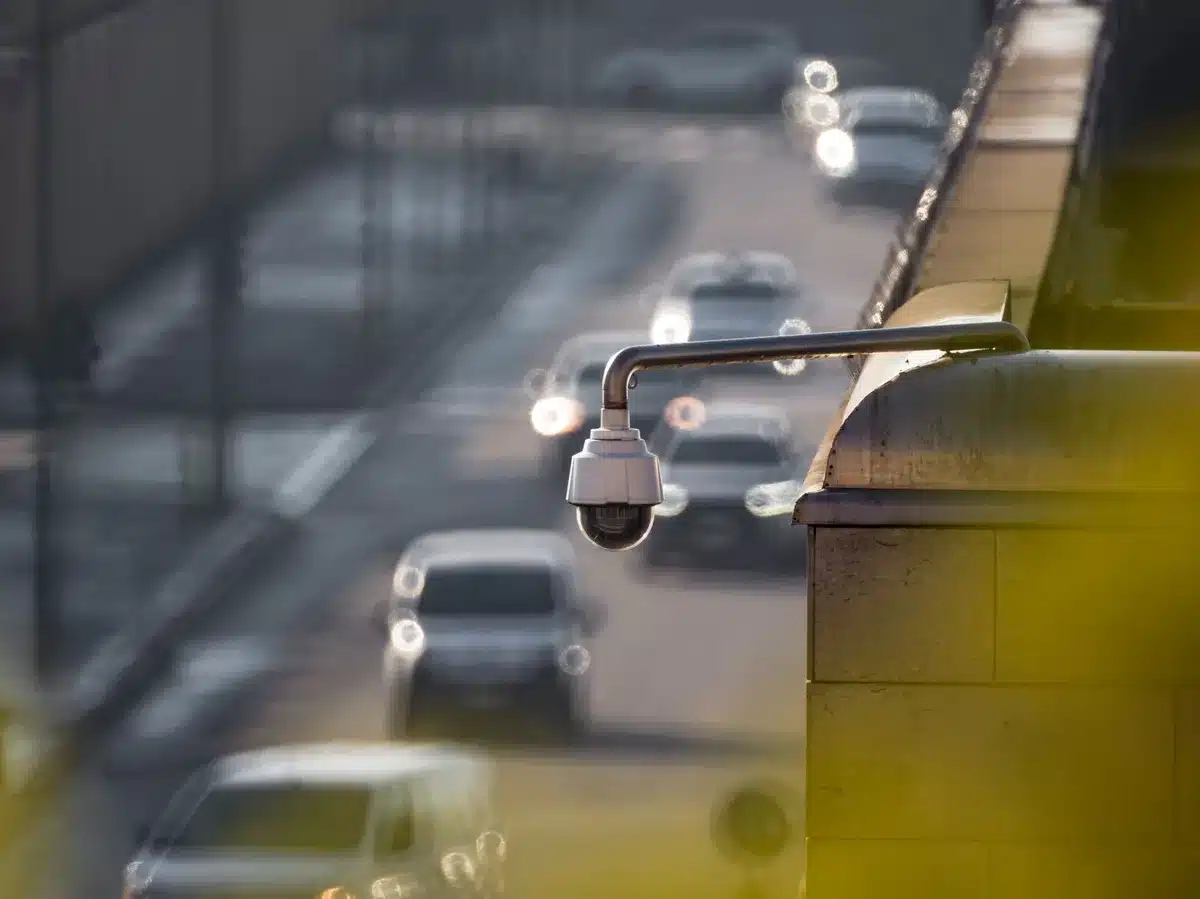
That concern has sparked protests and direct action in some communities. In one example reported by local outlets, Elgin Community College staff covered cameras with garbage bags; technicians for the camera vendor later removed the coverings. In Florida, a man described in reporting as the “flock blocker” told local media, “I’m not a lawbreaker.”

Legal challenges and political pushback have followed. While many state and federal courts have generally ruled that searches of ALPR databases do not implicate the Fourth Amendment, judges and civil‑rights lawyers have also raised alarms. A federal judge described an automated license plate reader system as “a type of indiscriminate mass surveillance.” At the same time, a federal lawsuit alleges the Waukesha County Sheriff’s Office used Flock cameras without a legitimate government purpose and in retaliation for a resident’s exercise of First Amendment rights.
Civil‑liberties groups and public‑interest lawyers say the issue cuts across partisan lines. The American Civil Liberties Union has warned, “If there are Flock cameras in your city, they are tracking, logging and sharing your movements without a warrant.” An attorney at the Institute for Justice argued that the company’s privacy assurances “will do nothing to protect innocent people from warrantless mass surveillance.” Michael Soyfer, an Institute for Justice attorney, called the issue “just the tip of the iceberg.”
Critics cite concrete harms in local reporting and court filings: wrongful arrests after mistaken or misapplied ALPR hits, investigations that expand beyond original purposes, and allegations in some cases that officers relied on ALPR alerts and then manufactured additional justifications for stops or searches. Civil‑rights filings and watchdog reporting have alleged instances where officers fabricated reasons — including false K‑9 alerts — to justify searches prompted by ALPR data; those accusations are being pursued in court in some jurisdictions.
Supporters of ALPR programs — including many law‑enforcement agencies and some elected officials — say the cameras help recover stolen vehicles and solve crimes. Flock and similar companies have promoted research they say shows benefits, including reductions in auto theft. Critics counter that the studies fall short of proving causation and that limited evidence of effectiveness does not erase privacy risks or the potential for abuse.
The controversy has prompted unusual alliances. Elected officials from different parties have voiced concern about warrantless surveillance, and conservative groups and some gun‑rights advocates have joined privacy‑minded organizations in calling for limits. State‑level legal challenges are underway as well: the Kansas Justice Institute has argued that Wichita’s warrantless ALPR program violates the state constitution’s privacy protections.
Some technologists and activists have pushed back in kind by using volunteer cameras and apps to monitor police movements — a practice that authorities have at times treated as a potential security concern. Groups such as SparrowMap, which crowdsource camera feeds to track police activity, highlight the growing tension over who may use similar surveillance tools and for what purposes.
Privacy advocates say the disputes show the need for clearer legal protections: rules on data retention, purpose limitations, independent audits, warrants for location‑based queries and stronger transparency about who can access ALPR data. Without statutory safeguards, they argue, Americans’ movements will remain vulnerable to indiscriminate logging and secondary uses that the public did not authorize.