Show summary Hide summary
Voters have shifted toward trusting Democrats more than Republicans to handle the economy, a change that David Winston says should alarm the GOP as the next election approaches. In a column arguing for a recalibrated Republican message, Winston cites a Winning the Issues (WTI) survey conducted Sept. 12–16 showing a 46–39 percent advantage for Democrats on economic competence.
Winston, president of The Winston Group, contrasts that finding with the WTI post-election 2024 survey, which he says gave Republicans an 11-point advantage on the economy and a 12-point lead on handling inflation. He writes that those leads have reversed: Democrats now hold a 12-point advantage on inflation, according to the same polling series.
Why voter attitudes shifted
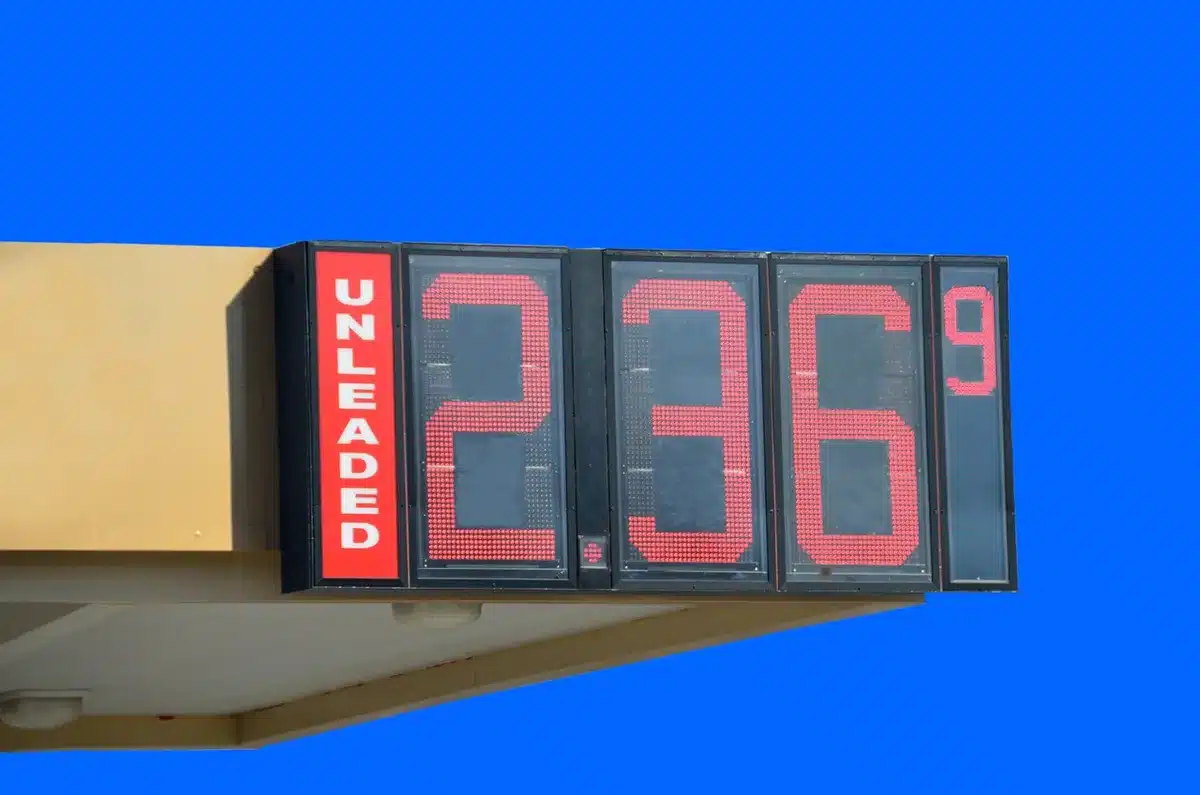
Winston attributes much of the change to higher gasoline prices after the conflict with Iran, and he also notes that voters had previously blamed tariffs for some rising costs. He points to poll figures that show a decline in the share of voters who think the economy is improving: in January a plurality thought it was getting better (46 percent), split evenly on whether that progress was acceptable; by the time of the Sept. 12–16 survey, 35 percent said there had been progress, with only 10 percent calling it acceptable and 25 percent calling it unacceptable.
Sen. Rubio says a war with Iran may lack popular support but would be necessary
Cheesecake Factory posts earnings gain tied to site at center of Obama-Trump dispute
Winston summarizes the mood this way, quoting frustrated voters: “Remember why we elected you. Fix the Biden economy.” He uses that framing to argue that Republican claims about past Democratic mismanagement are no longer sufficient to persuade an electorate worried about immediate costs such as gas and food.
Political consequences and lessons
With roughly 40 days remaining before the election at the time of Winston’s column, he says the economic environment is unlikely to change dramatically unless the Iran conflict eases or October economic reports on unemployment and inflation surprise on the upside. He warns Republicans they are “running out of runway” and need to shift from blaming past Democratic policies to laying out credible, forward-looking economic plans.
Winston recalls the 2010 midterms as a cautionary example, arguing that a partisan blame strategy then alienated independent voters and contributed to large House losses. He contends Republicans should instead both acknowledge ongoing problems and explain concrete steps they would take to reduce inflation and raise wages.
Facts and proposals Winston recommends Republicans emphasize
- Winston cites recent labor and income indicators: 162,000 jobs added in August and a record median household income of $87,460, up 2.6 percent.
- He notes a record-low poverty rate of 10.2 percent for 2025 and nearly 6 million new small businesses created last year, presented as accomplishments to highlight.
- On inflation, Winston writes that cumulative inflation over President Biden’s term totaled 21.4 percent and outpaced wages by 4.8 percent; he says Republican policies reduced that wage–inflation gap to 2.7 percent by January 2026, though the Iran-related spike later raised it to 4.1 percent.
- Winston reports that voters oppose a proposed $5,000 direct payment idea by 48–39 percent in the WTI survey, but that many support elements of the Working Families Tax Cuts law when they know about them—particularly protections in the standard deduction he says saved many households from being taxed on an additional $13,400 of income.
Winston’s prescription for Republican messaging is twofold: acknowledge economic strains that voters feel, and clearly explain policy proposals that could bring the 4.1 percentage-point wage–inflation gap down toward zero by spurring wage growth rather than relying on one-time checks, he argues. He emphasizes the communication challenge of making the benefits of existing legislation understandable to ordinary voters.
David Winston is president of The Winston Group, a longtime adviser to congressional Republicans, and a former director of planning for Speaker Newt Gingrich. His column is based on his analysis of WTI polling and recent economic indicators; the viewpoints and recommendations above reflect his commentary.