Show summary Hide summary
Voters, courts and regulators across the United States have this month reshaped several major debates over housing, development and local politics, according to recent reporting by Reason and coverage from its writers and podcast hosts. Measures capping rents, limits on landlord powers, fights over data centers and lawsuits over federal housing rules have all featured prominently in a flurry of local and national developments.
Voters approve rent limits and pushback on development reform
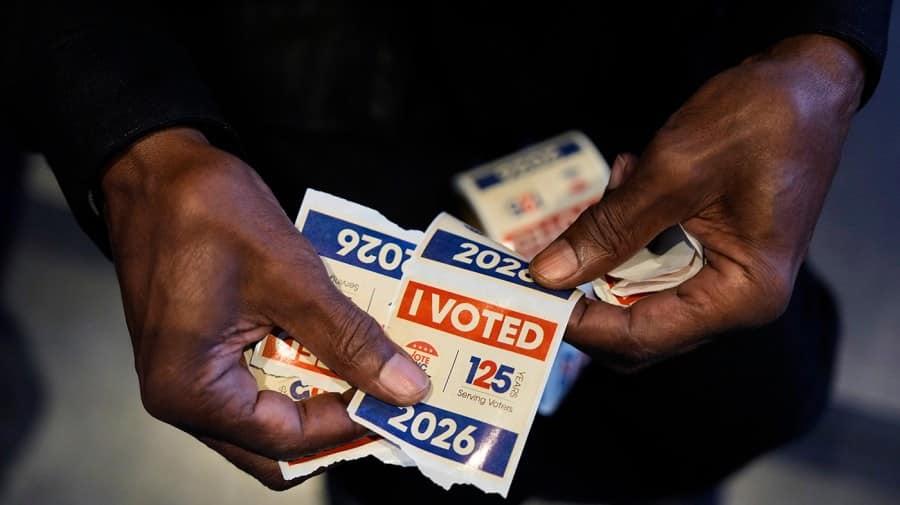
On election ballots in multiple states, voters backed measures that restrict landlords and cap rents, with wins reported in California, New Jersey, Maine and Minnesota, Reason’s coverage shows. Those results were part of a broader pattern this cycle in which housing affordability and tenant protections emerged as motivating issues for many local electorates.
A major obstacle for homebuyers could persist into 2027
900 flights canceled Sunday morning; full recovery expected tonight, probe underway

At the same time, California voters appear to have rejected a substantial overhaul of the California Environmental Quality Act (CEQA). While some votes were still being counted when reported, Reason noted that a majority of voters had signaled opposition to sweeping CEQA reform — a setback for developers and state leaders who had pushed streamlining as a way to accelerate housing construction.
Data centers become a top electoral issue
Exit poll results and reporting cited by Reason indicate that data centers ranked highly among voters’ concerns in several jurisdictions. That attention has translated into policy fights: state and local policymakers are considering measures to exclude data centers from ordinary tax exemptions, and activists have campaigned for stricter local controls. Reason coverage also warned that state preemption — where state law overrides local restrictions — succeeded for housing policy in some places but is unlikely to protect unpopular data center projects from local resistance.

Legal fights and federal rules on housing
Separately, Reason reported that a new lawsuit challenges a federal rule that excludes mixed immigration–status families from certain housing benefits, arguing the exclusion is unlawful. The litigation adds to a series of legal disputes over which households qualify for federally supported housing programs and how agencies implement congressional policy.
On the regulatory front, Reason’s reporting outlined actions from the federal government aimed at curbing large investor purchases of single-family homes and easing construction costs. Proposed regulations implementing restrictions passed by Congress would limit large investors’ ability to buy single-family homes, while other federal moves — including manufactured housing deregulation and revisions touted to reduce home construction costs — reflect an ongoing effort by the current administration to influence housing supply and affordability.
Local politics and fiscal realities
Local political contests have underscored the tension between progressive promises and fiscal constraints. In Washington, D.C., coverage noted that Councilmember Janeese Lewis George was poised to win the mayoral election to replace three-term incumbent Muriel Bowser, a result that will require balancing left‑wing campaign commitments with persistent budget deficits and a federal government that may be politically hostile to some local priorities.
Reason also highlighted legal and policy disputes in cities such as San Francisco, where a tax on vacant homes faced legal challenges and was described as not only poor policy but also now “bad law” in the outlet’s reporting. Other local stories touched on fraud charges tied to homelessness funds in the Los Angeles area and battles over novel local building projects exempt from municipal restrictions.
Culture, commentary and broader debate
Beyond straight reporting, Reason’s commentators and its Freed Up podcast hosts — including Robby Soave and Christian Britschgi — have been discussing the political and cultural implications of these developments. Their episodes have covered the fallout from the midterm elections, debates over “Woke 2.0,” tech and data‑center controversies, and broader questions about regulatory reform and property rights. The outlet’s pieces combined policy analysis, political reaction and cultural commentary to explore how housing and development issues intersect with national politics.
Taken together, the recent reporting collected by Reason illustrates how housing affordability, local land-use rules and new infrastructure projects such as data centers are shaping elections, lawsuits and regulation across the country. Voters and officials in multiple jurisdictions are now grappling with the trade-offs between protecting tenants, promoting development, preserving local control and ensuring fiscal sustainability — a mix of pressures that is likely to keep these issues at the center of local and national debate.
Christian Britschgi is a reporter at Reason who covers property rights, housing policy, transportation and regulation; the topics summarized here reflect reporting and commentary by Britschgi and colleagues at Reason.