Show summary Hide summary
The public fight over a high-profile sexual-assault case intensified after SiriusXM host Megyn Kelly threatened on-air to reveal the identity of the anonymous accuser in a civil suit against former Cornell students, and the state’s attorney general took over the criminal investigation. The exchange has amplified a wave of online threats and a national debate over media treatment of accusers and the accused.
On-air threat and follow-up remarks
The confrontation began during the September 30, 2026, edition of The Megyn Kelly Show on SiriusXM, when Kelly said she would disclose the accuser’s name if it were revealed to her, according to reporting by Media Matters. Kelly framed the statement as an argument about press equity: “If her identity is revealed, I am going to name her. I am not OK with the accused having their identities plastered all over the newspapers and accusers getting this blanket of protection.”
Hegseth visits USS Abraham Lincoln near end of record-long deployment
Pepsi reports drinkers are cutting back and buying less of its soda
Five days later, on the October 5 broadcast, Kelly returned to the subject and — according to Thought Catalog — shifted from a legal critique to personal commentary about the woman identified in court papers as Jane Doe, speculating about her motives and appearance. Those comments drew widespread criticism and prompted renewed attention to the case.
The lawsuit and the allegations
The civil lawsuit at the center of the controversy was filed in September 2026 in New York State Supreme Court. In the more than 100-page filing, the plaintiff, identified as Jane Doe, alleges that on the night of October 19–20, 2024, she arrived at the Chi Phi fraternity house in Ithaca intoxicated, was pressured into consuming ketamine and alcohol, and was assaulted by multiple fraternity members over several hours without her consent.
The suit names Cornell University, Chi Phi’s campus chapter and national organization, the Delta Delta Delta sorority, a local nightclub and seven former students: Matthew Ingalls, Johnathan Newell, Winston Lee, Gillio Lopes, Diego Sarabia, Scott Norris and Scott Kretzschmar. All seven defendants have denied wrongdoing; some have said any sexual contact was consensual, while others have denied involvement altogether.
Criminal review shifted to the attorney general
Tompkins County District Attorney Matthew Van Houten declined to file criminal charges in 2024, citing an initial signed statement from Jane Doe that described voluntary participation in drug use and sexual activity. Subsequent reporting showed Van Houten’s office had not reviewed later witness interview transcripts from Cornell’s campus police investigation — including what Jane Doe later said under oath — before making that charging decision.
On October 1, 2026, Governor Kathy Hochul appointed New York Attorney General Letitia James as a special prosecutor to assume the criminal investigation, citing lost confidence in the DA’s ability to handle the matter impartially. Cornell president Michael Kotlikoff issued a statement calling the allegations “deeply disturbing,” and the university’s board of trustees announced an independent outside review of how the school handled the case.
Harassment, solidarity and high-profile reactions
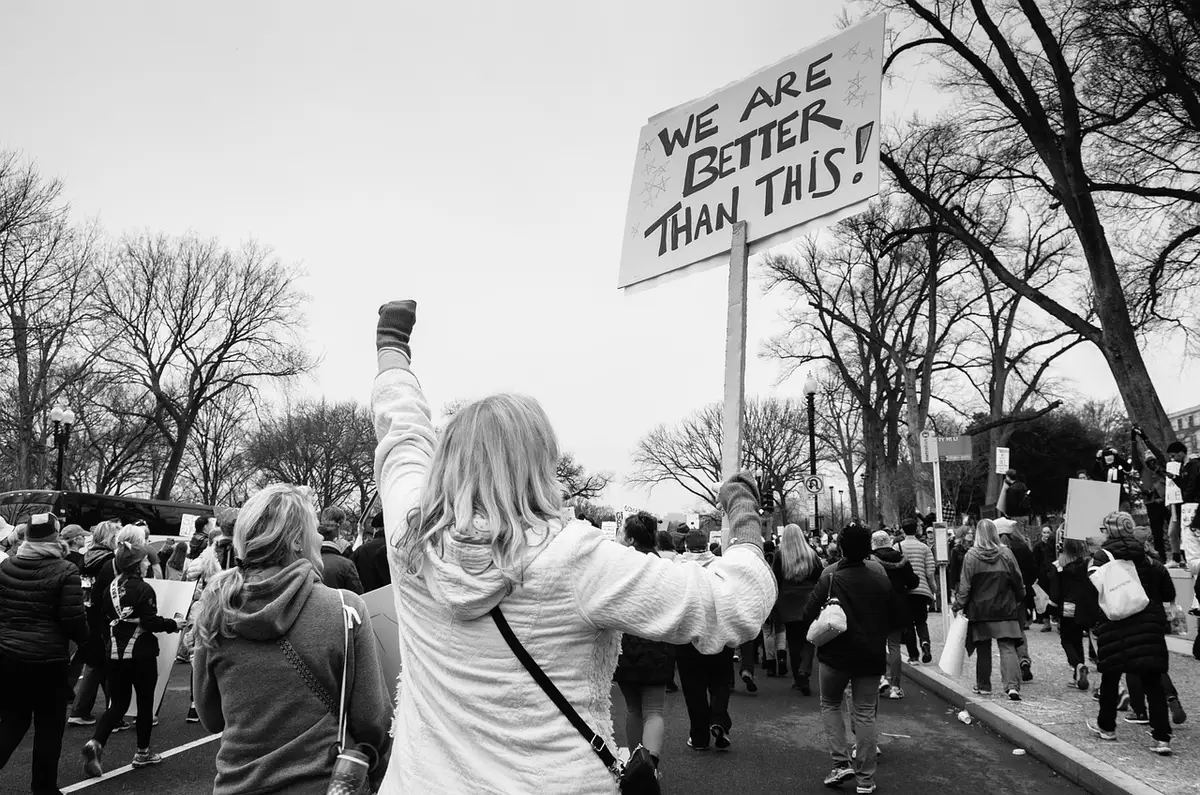
Attorney Thomas Giuffra, who represents Jane Doe, told NPR that his client testified under oath, “I can say with 100% confidence I was raped.” Giuffra has also disclosed that his client received threats aimed at forcing her to drop the lawsuit, that other women wrongly identified online as Jane Doe were targeted, and that he himself received a threatening message. In response to the harassment, thousands of women used social media to declare “I am Jane Doe” as an act of solidarity and to complicate attempts to identify the plaintiff.
Giuffra told The Daily Beast that Kelly’s remarks were “mean-spirited” and warned that “when people with a following attack, it gives others permission to attack.” The discussion spilled into celebrity commentary: on October 3, 2026, singer Olivia Rodrigo posted on Instagram Stories, “Shame on Cornell and on every institution who protects rapists and abusers over women. I stand with Jane Doe,” joining other public figures who weighed in.
Kelly’s on-air response to celebrity statements — “Shut up and stick to singing.” — and the broader tone of her commentary drew further rebuke; journalist Wajahat Ali described her remarks as “cruel and ghoulish.” Kelly has not issued an apology for the comments.
Where the case stands
The matter now sits at the intersection of ongoing civil litigation and a criminal inquiry recently transferred to a special prosecutor. There has been no criminal conviction, and the civil trial remains ahead. The dispute has highlighted tensions over who gets named in high-profile allegations, how media outlets balance identity protections, and the real-world consequences for individuals at the center of such cases.