Show summary Hide summary
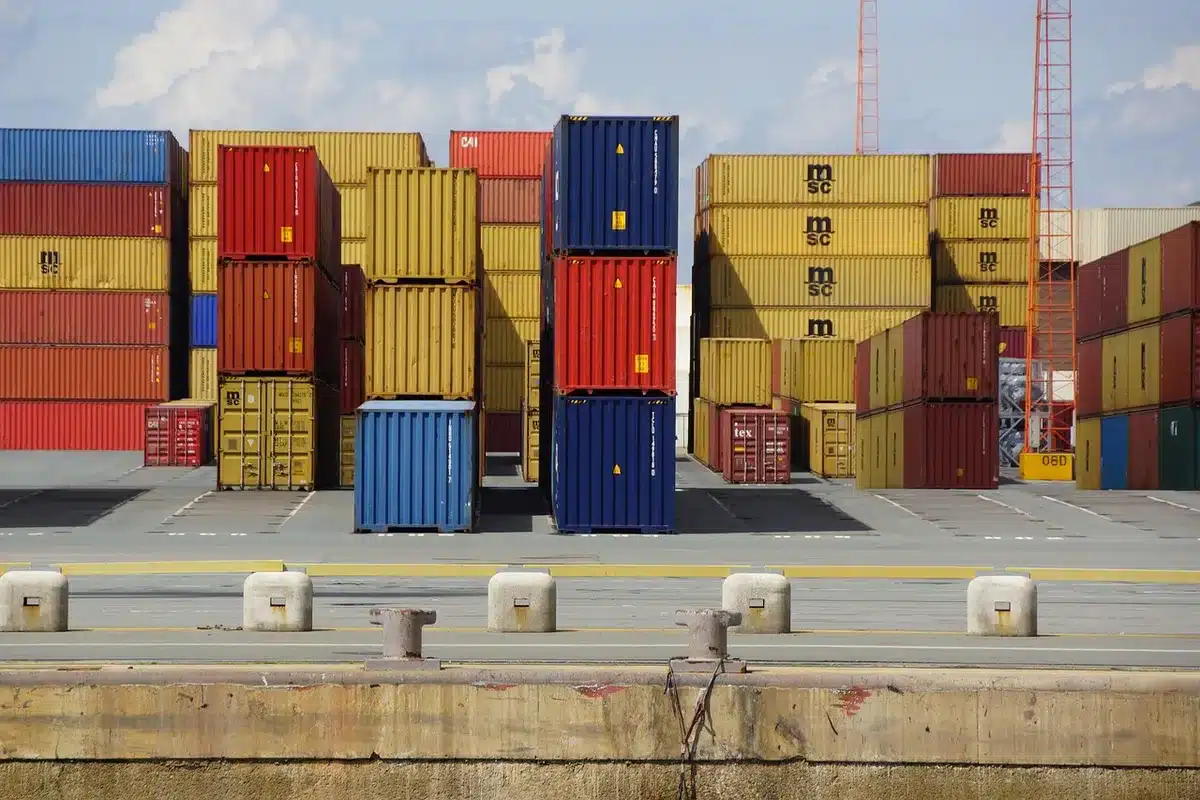
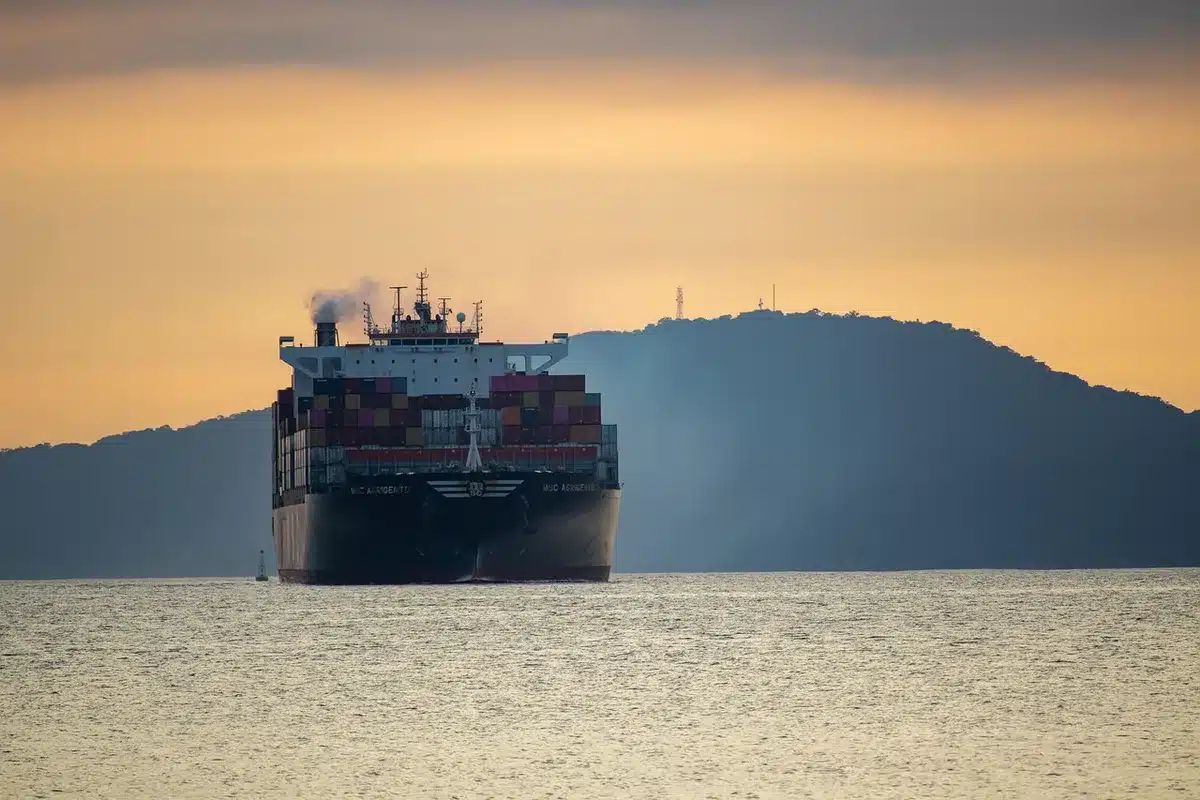
Federal agents intercepted more than 615,000 gallons of biodiesel — spread across 90 separate freight consignments and valued at about $2.8 million — that investigators say was being routed to Cuba in an effort to evade U.S. sanctions. The cargo was stopped at two major commercial shipping terminals: Port Everglades in Fort Lauderdale, Florida, and the Port of Houston in Texas, the Department of Homeland Security said.
Sanctioned Cuban company identified as intended recipient
Homeland Security Investigations (HSI) officials have identified Enetec S.A., a state-linked Cuban fuel wholesaler, as the intended destination for the intercepted shipments. José R. Figueroa, Special Agent in Charge of HSI Miami, told reporters that commercial shipping documents reviewed during the inquiry named Enetec as the recipient.
Federal authorities seize 90 shipments of biodiesel valued at $2.8 million bound for Cuba
Republican Sen. Collins and Democrat Jackson clash in debate on Trump, trade and abortion
Enetec was added to the U.S. Treasury Department’s Specially Designated Nationals (SDN) list in July 2026, a move that blocks the company from access to the U.S. financial system and makes transactions involving the firm a federal crime for U.S.-connected persons. That OFAC designation came separately from a broader State Department package issued on July 23, and both were taken under Executive Order 14404, signed by President Trump on May 1, 2026, which expanded U.S. sanction authority over entities tied to Cuba’s energy sector and alleged sanctions-evasion networks.
Multi-agency operation intercepted dozens of consignments
The enforcement action was carried out jointly by HSI offices in Miami and Houston, with U.S. Customs and Border Protection officers at each port physically detaining the cargo. The Commerce Department’s Bureau of Industry and Security also participated, signaling that authorities are treating the matter as both a sanctions violation and a potential breach of U.S. export controls.

Of the 90 consignments, 71 shipments — containing about 496,000 gallons of biodiesel — were seized at Port Everglades. Another 19 shipments, carrying roughly 119,000 gallons, were detained in Houston. Officials said the consignments were small and distributed across many shipments, a tactic investigators commonly associate with sanctions evasion because it lowers the visibility of any single transfer and spreads risk across multiple containers.
Biodiesel, which can be made from plant oils or animal fats, moves through commercial container freight in ways that differ from crude oil and refined fuels; investigators said that regulatory differences helped make it an attractive option for those seeking to bypass conventional controls.
Energy crisis in Cuba provides the wider context
Officials and analysts tied the interdiction to Cuba’s increasingly acute energy shortages. Reporting provided with the enforcement announcement noted that U.S. measures taken against Venezuela in January 2026 severed what had been Cuba’s principal crude supply, producing rapid and widespread fuel shortfalls on the island. Cuba’s energy minister reportedly said in May that the country had no diesel or fuel oil reserves, and the power grid suffered multiple nationwide collapses during the first seven months of 2026, including a major outage on July 14.
Those conditions, authorities said, increase demand for alternative fuel channels and have encouraged attempts to route energy products through commercial freight streams that historically attracted less scrutiny.
Targeted enforcement and political debate
U.S. officials emphasized that the operation targeted sanctioned state actors and was not aimed at food, medicine, or humanitarian assistance intended for ordinary Cubans. Critics of the administration’s policy toward Cuba argue, however, that stringent enforcement of fuel restrictions can deepen civilian hardship by reducing supplies that might otherwise power hospitals, water pumps and other essential services. The administration maintains its measures are directed at the governing apparatus rather than the population — a distinction observers say will be tested as enforcement escalates and infrastructure problems persist.
This account is based on reporting by Latin Times and statements from the Department of Homeland Security and Homeland Security Investigations.