Show summary Hide summary
Diplomatic tensions between Chile and the United States flared after U.S. Ambassador Brandon Judd, speaking at a CSAV trade forum, suggested Chile should align with Washington on certain China-related projects if it expected U.S. support for its control of the Strait of Magellan. The comments prompted a forceful response from Chilean officials and revived wider questions about how Santiago navigates competing commercial and security pressure from Washington and Beijing.
What Judd said and how Chile reacted
At the CSAV seminar, Ambassador Judd signaled that American backing for Chile’s claims over the Strait of Magellan could be linked to Chile’s choices on a Chinese submarine cable project and on domestic copper processing, according to reporting by BioBioChile. Judd, a former president of the National Border Patrol Council who arrived in Santiago on November 10, 2025 after being appointed by then-President Donald Trump, has made several outspoken interventions since taking the post.
Flight attendants’ union raises safety concerns about Trump’s Washington arch
Amazon to eliminate about 1,000 corporate jobs in stores unit and other areas, report says

The remarks drew an immediate and unequivocal response in Santiago. During a congressional interpelación on September 28, Foreign Minister Francisco Pérez Mackenna told lawmakers that “the Strait of Magellan always was, is, and will be Chilean — there is no discussion or nuance.” Pérez Mackenna added that “while I am foreign minister, Chile’s sovereignty will be defended with all our strength.” Those comments drew applause across the political spectrum and underscored the sensitivity of the issue.
Why the cable and copper matter
Washington’s objections have focused on two closely watched items. One is a proposed submarine cable, widely referred to as Chile-China Express, which would link Concón, near Valparaíso, with Hong Kong and is backed by a Chinese consortium that includes China Mobile, HMN Technologies and Hengton Optic‑Electric. The other is the broader question of Chinese involvement in Chile’s copper sector and related domestic processing activities.
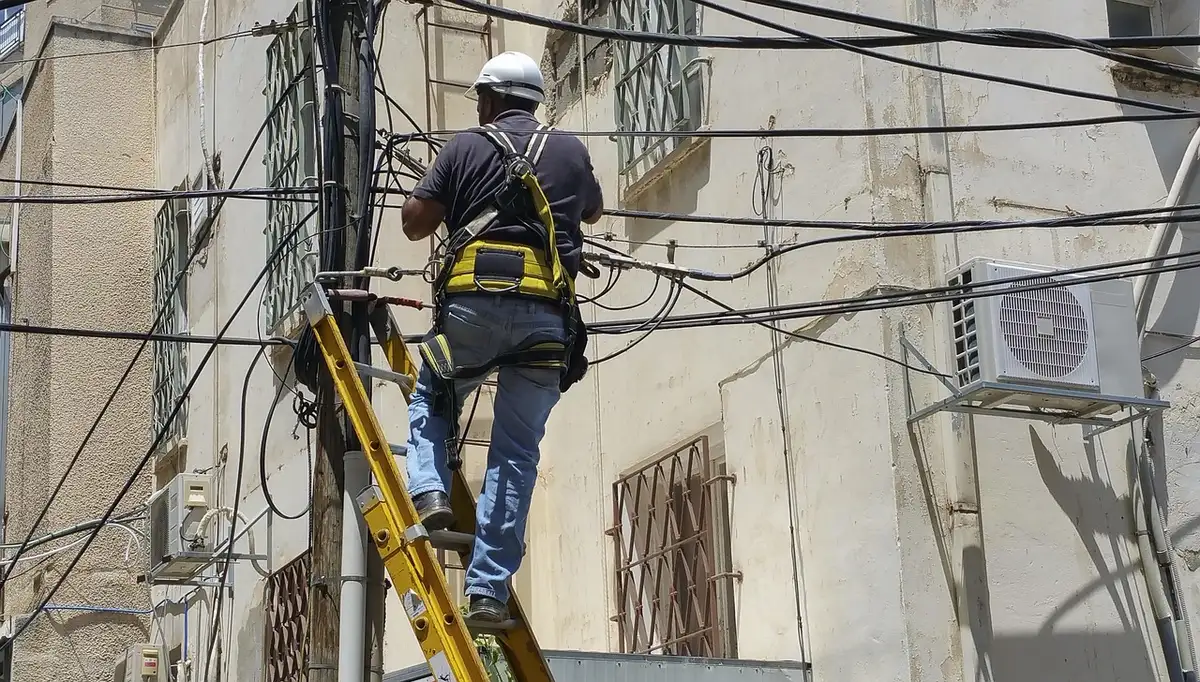
In February 2026, the U.S. revoked the visas of three Chilean officials — including Transport and Telecommunications Minister Juan Carlos Muñoz — over their involvement in the cable project, citing concerns that the infrastructure could compromise regional telecommunications security. The Chilean government confirmed that, as of late September 2026, the permit process for the cable remained open and had not been approved.
Diplomatic pushback and follow‑up
The Chilean Foreign Ministry considered filing a formal diplomatic protest and held direct discussions with the ambassador. Pérez Mackenna said the current government under President José Antonio Kast chose to address the episode through meetings with Judd rather than issuing a new formal note, while noting that a prior protest had been filed by the previous Boric administration over an earlier incident involving the ambassador.
Chile also received an external boost to its position on the strait: on September 4, Argentina’s President Javier Milei and Chile’s President Kast signed a joint declaration recognizing Chilean sovereignty over the entire Strait of Magellan, removing ambiguity left after comments by an Argentine general in August.
Judd’s partial retreat and the unresolved questions
Within days of the controversy, Judd issued a statement saying his comments had been taken out of context and denying any intent to condition Chilean sovereignty on policy choices. Interior Minister Claudio Alvarado later emphasized that it was up to the ambassador to explain apparent contradictions when a public remark is followed by a different public statement.
Even with the clarification, the underlying policy questions remain: where Chile will position itself on Chinese telecommunications infrastructure and how it will manage foreign involvement in its critical‑minerals and copper sectors. The episode illustrates a broader diplomatic test across Latin America as Washington presses regional governments to take clearer positions in its strategic rivalry with Beijing.
For now, Chilean officials have insisted their sovereignty is nonnegotiable while acknowledging the difficult balance their country faces given that China accounts for roughly 40% of Chile’s foreign trade, a figure Pérez Mackenna cited during the congressional session. From the U.S. perspective, cooperation on issues related to the Magellan Strait and alignment on China appear to have converged into the same strategic conversation.