Show summary Hide summary
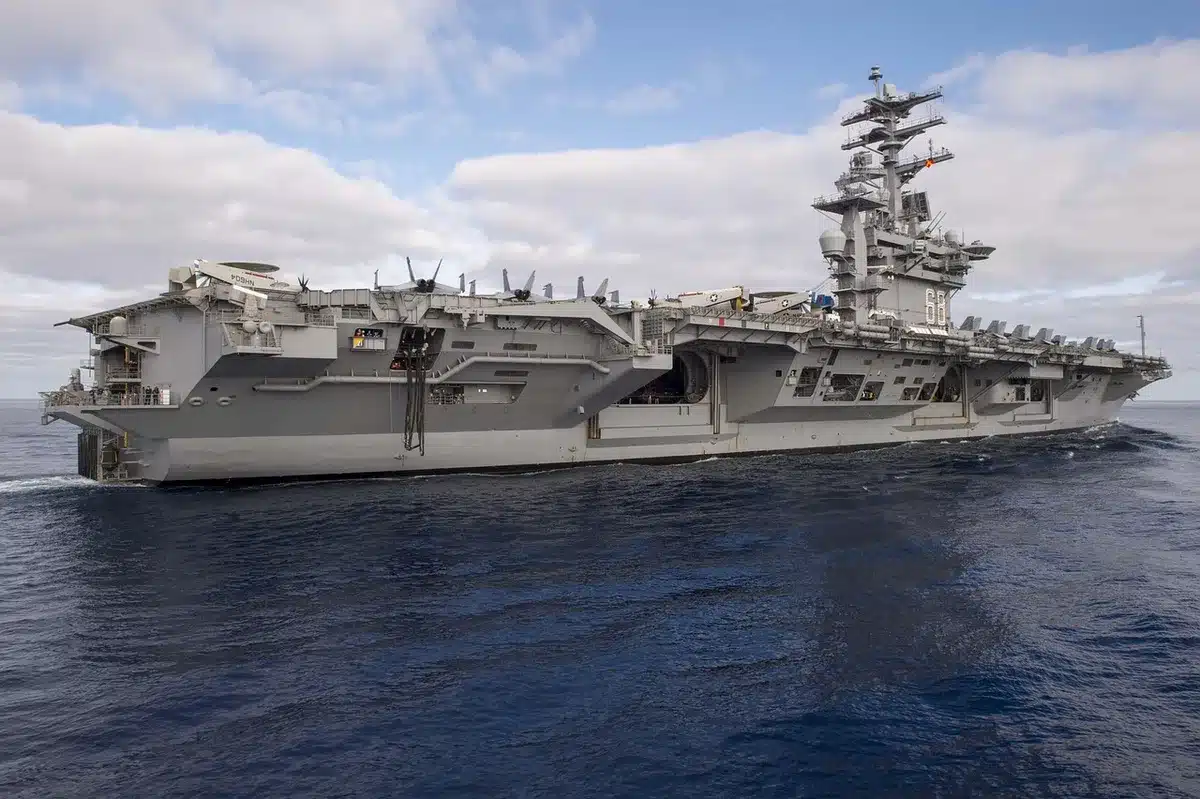
The USS Abraham Lincoln carrier strike group is due to return to its San Diego homeport on Thursday, concluding a roughly 10‑month deployment to the Middle East that defense officials say included heavy combat operations against Iranian forces and set a new record of 265 days between ports of call for the carrier. The ship will have spent about 321 days on deployment — described in the reporting as the second‑longest U.S. carrier deployment since the end of the Cold War.
Defense secretary praises crew, announces unit citation
Defense Secretary Pete Hegseth visited the Lincoln on Wednesday ahead of its return and praised sailors for what he called their resilience during an extended mission that, he said, was lengthened twice. Speaking on the carrier’s flight deck, Hegseth said he accepted responsibility for the extended time at sea while also crediting the crew’s performance and saying President Trump “had full faith that you would deliver on behalf of the American people, and you did,” according to his remarks aboard the ship on Oct. 7, 2026.
Hegseth visits USS Abraham Lincoln near end of record-long deployment
Pepsi reports drinkers are cutting back and buying less of its soda
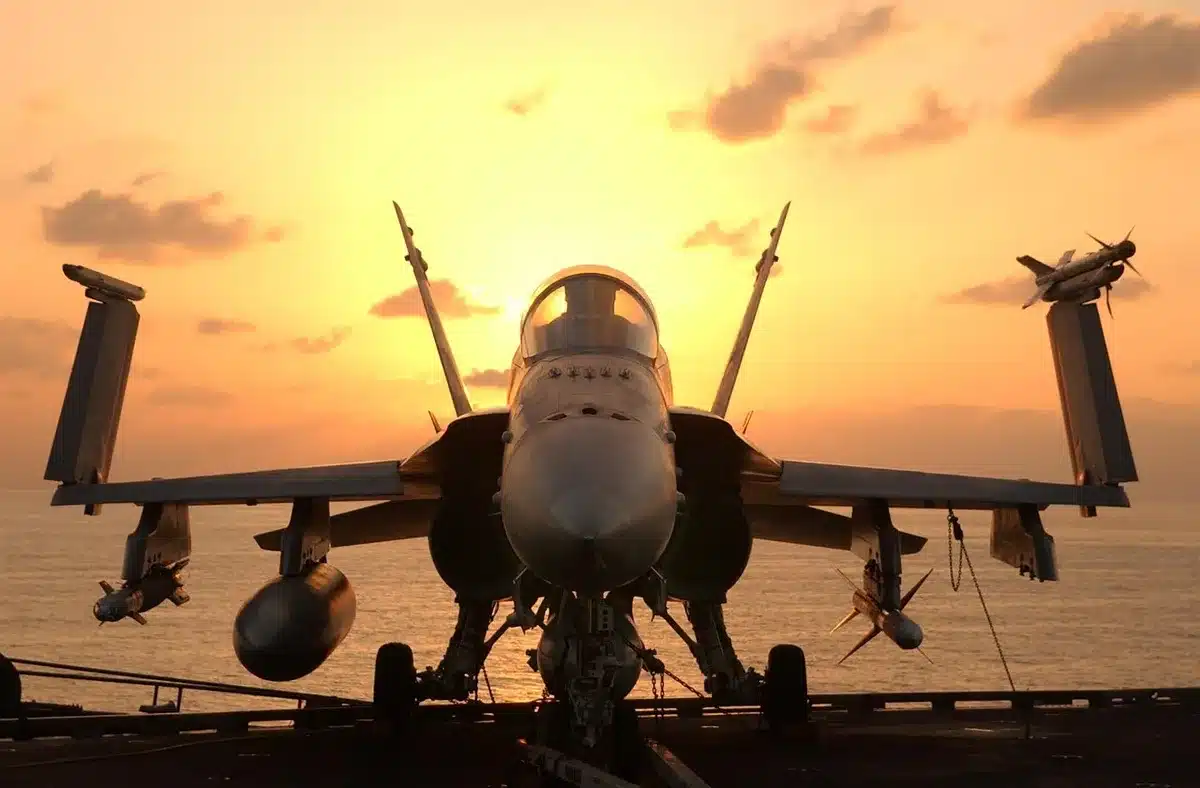
At the conclusion of his remarks Hegseth announced the Lincoln carrier strike group would receive the Presidential Unit Citation, a high-level distinction awarded to military units for extraordinary performance. While reading the citation to the crew, he disclosed operational figures that the reporting said had not previously been released.
Operations and disclosed combat statistics
Hegseth listed the carrier group’s accomplishments, saying the strike group flew thousands of sorties and delivered significant ordnance. He credited “10,000 sorties, 23,000 combat flight hours, almost 4,000 combat sorties” and “1.5 million pounds of ordnance dropped on the enemy,” remarks that drew cheers from sailors, the reporting said.
When Hegseth read the formal citation he provided a more detailed breakdown attributed to the carrier group’s air and supporting warship operations: 3,693 combat sorties; roughly 1.37 million pounds of ordnance dropped on Iranian targets; 450 Tomahawk cruise missiles launched by accompanying warships; the shoot‑down of 77 one‑way attack drones and 21 anti‑ship cruise missiles; defensive actions against four fast‑attack craft and explosive‑carrying dhows; and assistance in the sinking of 64 Iranian warships, according to the figures he disclosed.
The article notes the aircraft assigned to the carrier had returned to their home bases in California and Washington state earlier in the week.
Crew welfare, suicide attempts and supply problems
The Lincoln’s deployment included operational strain and logistical challenges. The carrier’s crew experienced supply disruptions early in the conflict that affected food stocks, and reporting said the long deployment led to concerns about the crew’s mental health. The Navy has reported eight suicide attempts aboard the carrier during the deployment, including one sailor who jumped overboard and was later rescued.
A U.S. official quoted in the article characterized eight suicide attempts as “on the lower end” of what is sometimes seen during carrier deployments; the reporting did not independently verify that comparison.
Lessons for future deployments
Navy leaders said they are using lessons from the Lincoln’s deployment to prepare other ships. Adm. Daryl Caudle, the chief of naval operations, said in a recently released video that the USS Theodore Roosevelt — which left San Diego about a week after the Lincoln’s return was announced — is “maximizing its load‑out of food, retail products and hygiene items” before getting underway. Master Chief Petty Officer of the Navy John Perryman said crews are converting available spaces into additional storage to remain self‑sufficient when resupply is difficult.
Officials also described non‑logistical improvements: new entertainment equipment, more durable fitness gear and spare cardio machines to support morale; software updates and pre‑staged instructions to keep critical systems running when bandwidth is limited or a ship is operating in degraded conditions; and upgrades and specialized inspections of climate control systems, according to the Navy statements cited in the reporting.
“As one carrier returns home, we listen to its sailors and families. We capture what worked and what didn’t, and we make it better the next time,” Perryman was quoted as saying in the article.