In an opinion column, journalist Mary C. Curtis argues that actions by the Trump administration and its appointees are turning cultural institutions into battlegrounds over control rather than curatorship, singling out the John F. Kennedy Center for the Performing Arts, the U.S. Embassy in Santo Domingo and controversies around works by artists Kehinde Wiley and Amy Sherald.
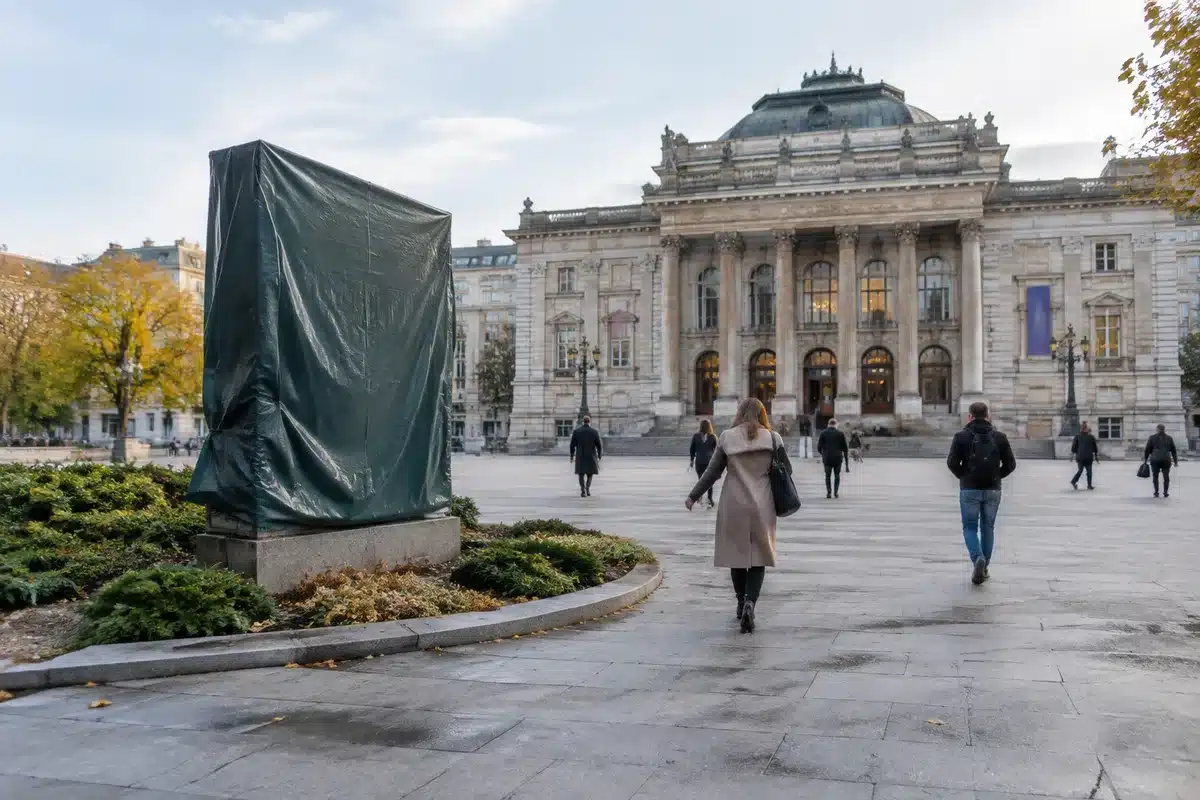
Curtis writes that the Kennedy Center — long described as a “living memorial” to President John F. Kennedy — has become the focus of disputes over whether the building should bear President Donald J. Trump’s name and how much control the administration can exert over the center’s future. She describes a Department of Justice filing warning the center may be demolished if the administration is not allowed to pursue “rebuild and renovate” plans, and notes a previous effort to add the president’s name remains covered by a tarp. Curtis says the Kennedy Center board, which she describes as “filled largely with Trump appointees,” has approved a new inscription reading “Renovated and Restored by President Donald J. Trump,” and renamed the plaza for the former president.
The column reports that Rep. Joyce Beatty, D-Ohio — identified by Curtis as an ex-officio member of the center’s board — has again asked courts to intervene. Curtis also references what she characterizes as a recent related move by the Supreme Court allowing a ballroom decision to proceed, framing those developments as part of a broader fight over the center’s direction and reputation.
Hegseth visits USS Abraham Lincoln near end of record-long deployment
Pepsi reports drinkers are cutting back and buying less of its soda
Curtis connects those disputes to separate actions affecting art in U.S. government spaces. She reports that a 2013 State Department commission by artist Kehinde Wiley, titled Young Artists After Siamesas 1960 and displayed at the U.S. Embassy in Santo Domingo, Dominican Republic, has been removed. According to Curtis, Erin Scavino, director of Art in Embassies for the administration, described the work as “very woke” and “aesthetically terrifying.” The column says the painting was first covered with a tarp bearing an American flag motif before its removal.
On the domestic museum front, Curtis recounts controversy over Amy Sherald’s portrait of Michelle Obama and other works slated for the artist’s solo show American Sublime. She reports that Sherald withdrew the planned Smithsonian National Portrait Gallery presentation amid debate about one work, Trans Forming Liberty, which features a transgender woman holding a torch in a pose echoing the Statue of Liberty. Curtis quotes Sherald’s statement to The New York Times: “I cannot in good conscience comply with a culture of censorship, especially when it targets vulnerable communities.”
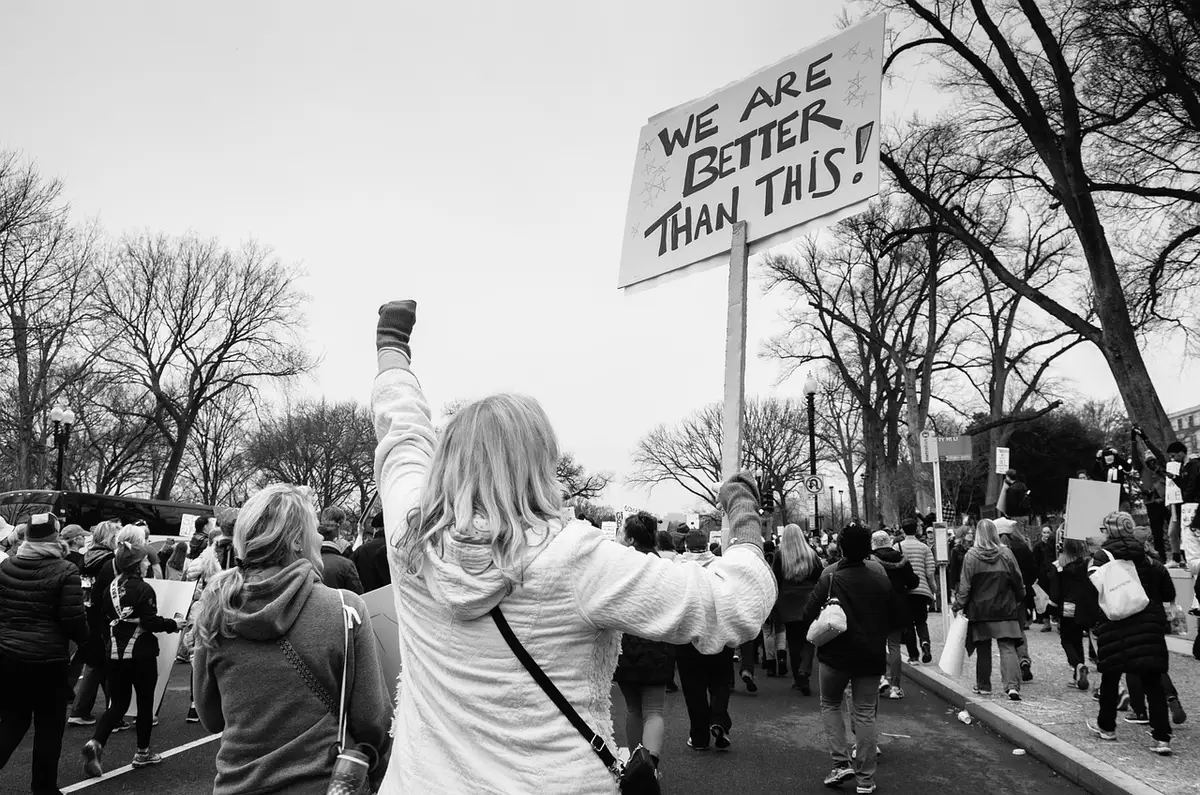
Curtis frames these episodes as part of a pattern in which, she says, the administration polices artistic content according to its own tastes and political priorities. She argues that when government officials decide what art is acceptable, they “insult” citizens and treat them like children, replacing public engagement with top-down decisions about culture. Curtis writes that art’s purpose is to provoke thought and curiosity, and warns that governmental censorship poses a greater threat than the works labeled “woke” by critics.
Mary C. Curtis’s column, which outlines her background at publications including The New York Times, The Baltimore Sun and The Charlotte Observer and her role as host of the CQ Roll Call podcast “Equal Time with Mary C. Curtis,” concludes by urging resistance to what she describes as an administration’s attempt to “do the thinking for you.” Readers can find her on X at @mcurtisnc3, as noted in the column.