Show summary Hide summary
This week’s round-up brings together a wide array of commentary, legal developments and cultural reflections: from courtroom skirmishes over guns and fines to new takes on America’s founding, films and books that reassess familiar figures, and odd corners of history unearthed by declassification and AI competitions. Below are the central themes and why they matter.
Law and the courts
Several items this week focus on constitutional and criminal-law disputes now before judges. One case involves a federal statute that makes it a crime for people convicted of nonviolent felonies to possess firearms; commentators flagged the legal and policy stakes of treating past nonviolent convictions as a continuing bar to gun ownership. Separately, briefs in other litigation argued about the Second Amendment’s scope: as one county brief put it, even if AR‑15‑style weapons fall within the Amendment’s historical coverage, that alone does not necessarily translate into a personal right to own them.
Sen. Rubio says a war with Iran may lack popular support but would be necessary
Cheesecake Factory posts earnings gain tied to site at center of Obama-Trump dispute
The Supreme Court also took up at least two notable matters this week, drawing attention from legal commentators. Relatedly, a historical review of the Excessive Fines Clause was used to question whether Alaska pilot Ken Jouppi should forfeit his airplane after aiding a passenger who defied a local alcohol ban—an example reviewers used to show how constitutional history can influence present-day forfeiture disputes.
Beyond property and gun law, observers pointed to a broader trend of interest in how judges decide: one conservative justice was portrayed as favoring results-oriented outcomes in ways that some say clash with professed originalist principles. And in privacy and reputation law, an academic dispute produced claims that while the facts did not amount to RICO or antitrust violations, a false-light tort allegation could nonetheless proceed.
Government, power and public spectacle
Debate over the proper display of state power surfaced in a striking historical frame: plans by the Trump administration to livestream the execution of Nidal Hasan reportedly faltered because of a longstanding cultural and legal aversion in the United States to public, bloody displays of punishment—a reluctance traced back, commentators say, to colonial-era sensibilities. Elsewhere, critics argued that the president stands out from recent predecessors by an unusually open contempt for the First Amendment, a claim that feeds into larger conversations about public rhetoric and press freedom.
Books, film and cultural reassessments
Several reviews and essays revisited historical figures and cultural artifacts. A new treatment of the Peróns assessed how their economic policies affected Argentina while noting that historical memory of them is more mixed than simple villainization. A history of so‑called “traditional” marriage reminded readers that many such unions were organized around social and economic ties rather than romantic love. The pioneering feminist who was also a student of classical liberal thought received renewed attention in a piece that traced intellectual influences rather than hagiography.
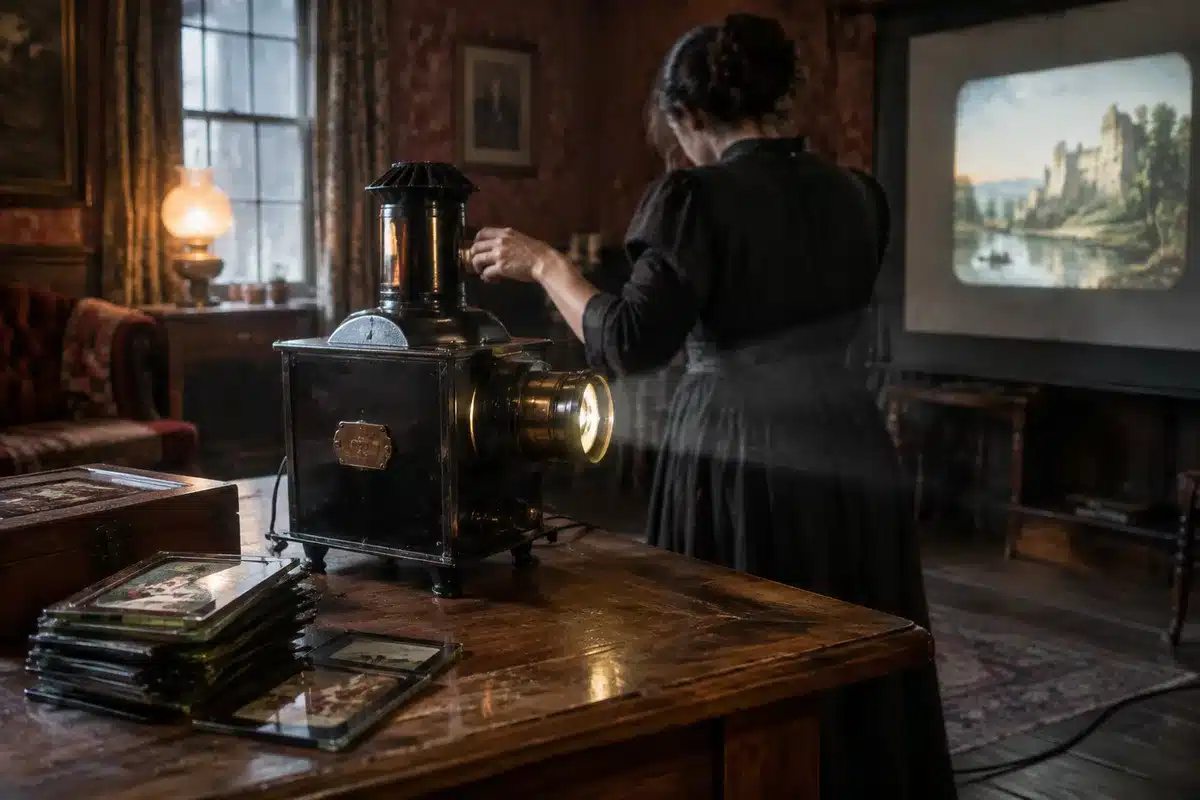
Film critics weighed in as well: Sergei Loznitsa’s Two Prosecutors was noted for offering a perspective in which even a Bolshevik might embrace a familiar dichotomy—“good czar, bad boyars”—while historical writing on early cinema recalled lanternists who once treated film as a passing fad. A new collection of Walt Whitman’s writings was recommended as an apt read as the United States approaches its 250th anniversary, and the book Obstinate Daughters was praised for leaving readers wanting more depth on the women it profiles.
History, ideas and declassified surprises
Several historical pieces reflected on the American founding and its continuing relevance. Essays revisited John Adams’s view that war was both an effect and a consequence of a revolution in public mindset, John Quincy Adams’s foreign-policy warnings, and Alexis de Tocqueville’s caution about admiration for centralized power. Other short features explored lesser-known angles—the “least popular” Founding Father’s perspective, the country’s convivial relationship with alcohol in the 18th century, and a local house hosting a “1776: Road to the Declaration” exhibition.
Newly declassified files also produced an intriguing anecdote: J. Edgar Hoover allegedly sought to prosecute a future National Security Agency scholar-in-residence for collecting encryption manuals—an item readers used to illustrate historical tensions between intelligence agencies and academic research.
Science, media and sports
On the technology and culture front, the Vesuvius Challenge—an award to researchers using AI to read ancient scrolls—was highlighted as an example of machine learning serving classical scholarship. Media recommendations ranged from a podcast that blends history and true crime to commentaries on contemporary political media figures and movements.
In sports, observers debated whether baseball’s emerging audiences are more interested in prop bets and spectacle than traditional pennant races, and flagged a collection of stories including a survey on soccer-fixing, another shake-up to the Home Run Derby format, and an extraordinary goal that made viral rounds.
Taken together, the week’s pieces offer a mixture of legal argument, historical reappraisal and cultural criticism—conversations that connect constitutional rules and courtroom fights to broader questions about memory, spectacle and what a republic should tolerate or celebrate.