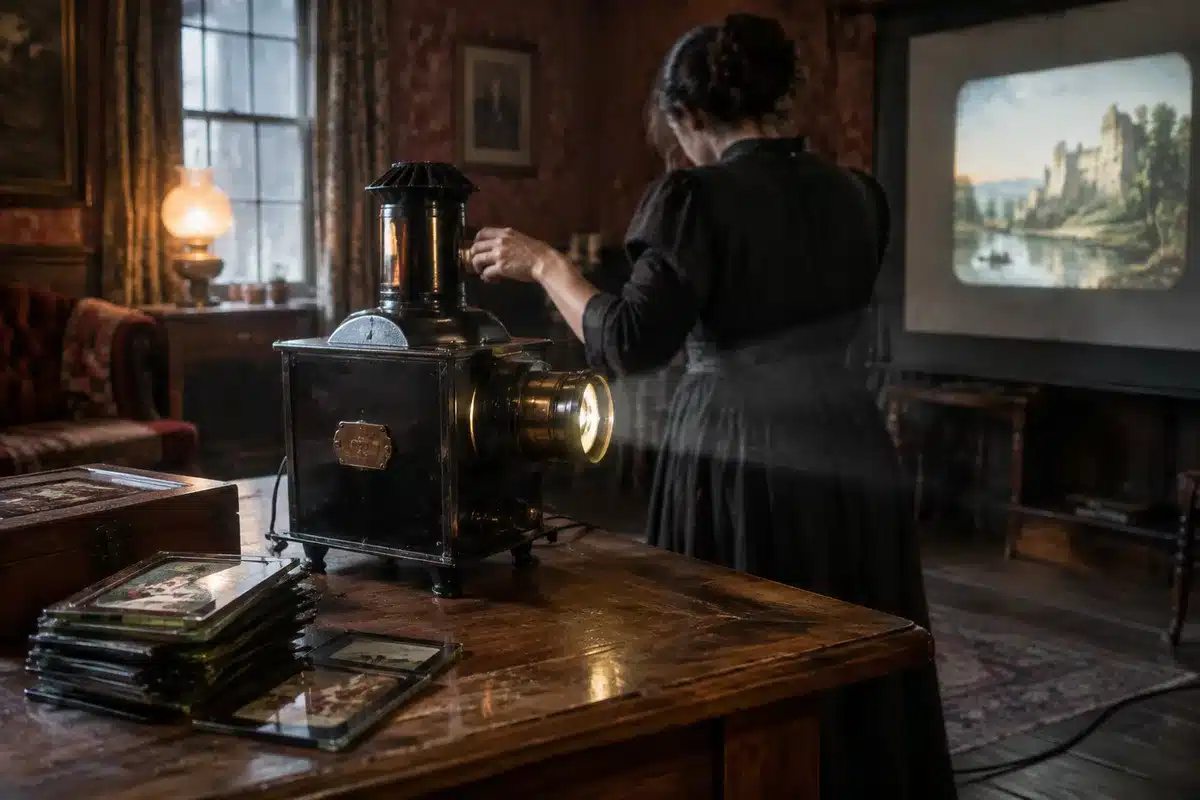
Terry Borton, a revivalist magic-lantern showman, has produced a detailed, heavily illustrated study of Joseph Boggs Beale and the 19th-century art of lantern-slide storytelling in his book Magic Lantern Art: The American Screen’s First Great Narrative Artist, Joseph Boggs Beale. Borton profiles Beale as one of the era’s most prolific painters of lantern slides and places his work in the wider technological and commercial changes that reshaped the medium.
Magic-lantern shows—live performances that combined projected images with narration, music and stagecraft—trace their roots back to the 17th century, but the craft evolved rapidly in Beale’s lifetime. Borton describes how industrial production of glass slides allowed designs to be replicated and sold to lanternists nationwide, so a single image might appear at the same moment in theaters, churches, Masonic lodges and even mental hospitals.
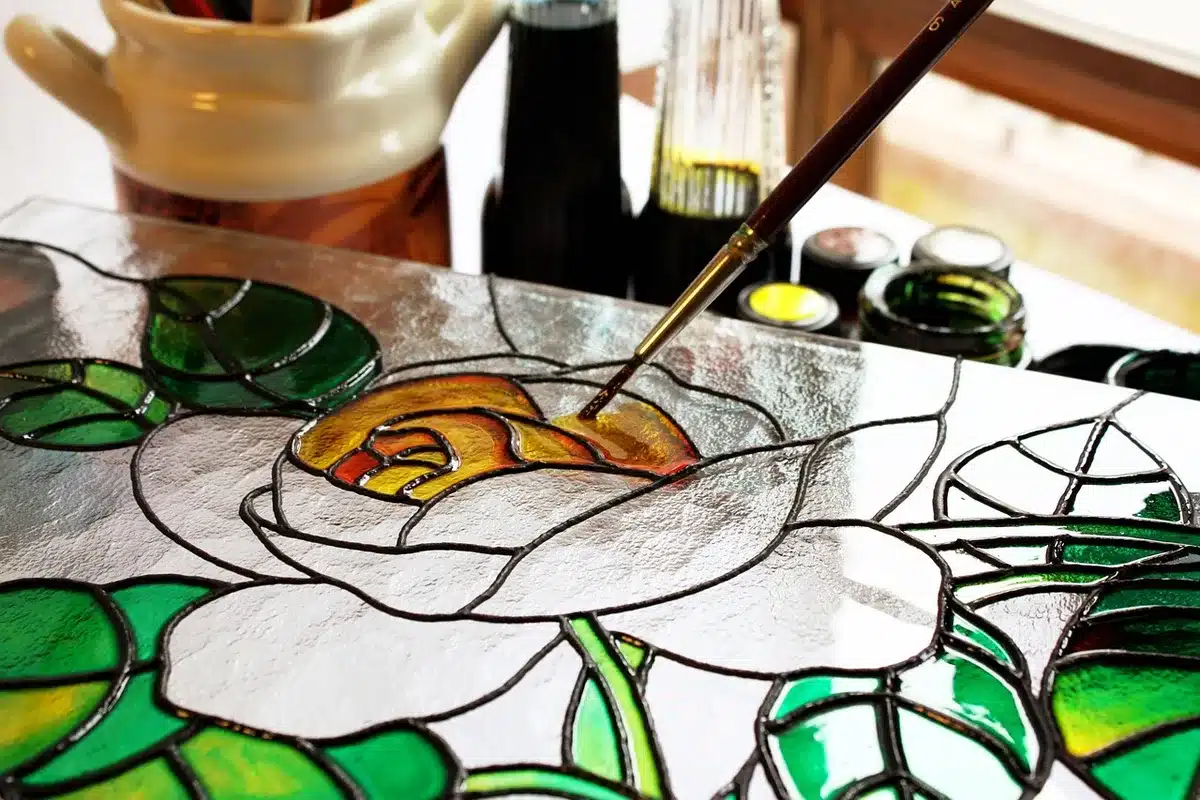
Far from being merely a proto-film novelty, lantern performance developed its own visual and narrative conventions, Borton argues, with painters like Beale supplying the imagery that performers used to build stories for audiences. The book emphasizes both the artistic ambitions of slide painters and the practical networks—publishers, distributors and local presenters—that spread their work across communities.
Sen. Rubio says a war with Iran may lack popular support but would be necessary
Cheesecake Factory posts earnings gain tied to site at center of Obama-Trump dispute
Not everyone at the time saw cinema as an existential threat to lantern shows. As Borton recounts, some practitioners regarded early motion pictures as a passing curiosity their craft would outlast. The account draws a contemporary observation from that history: technological shifts can be hard to predict, and what seems like a minor diversion may eventually give rise to a dominant new art form.