Show summary Hide summary
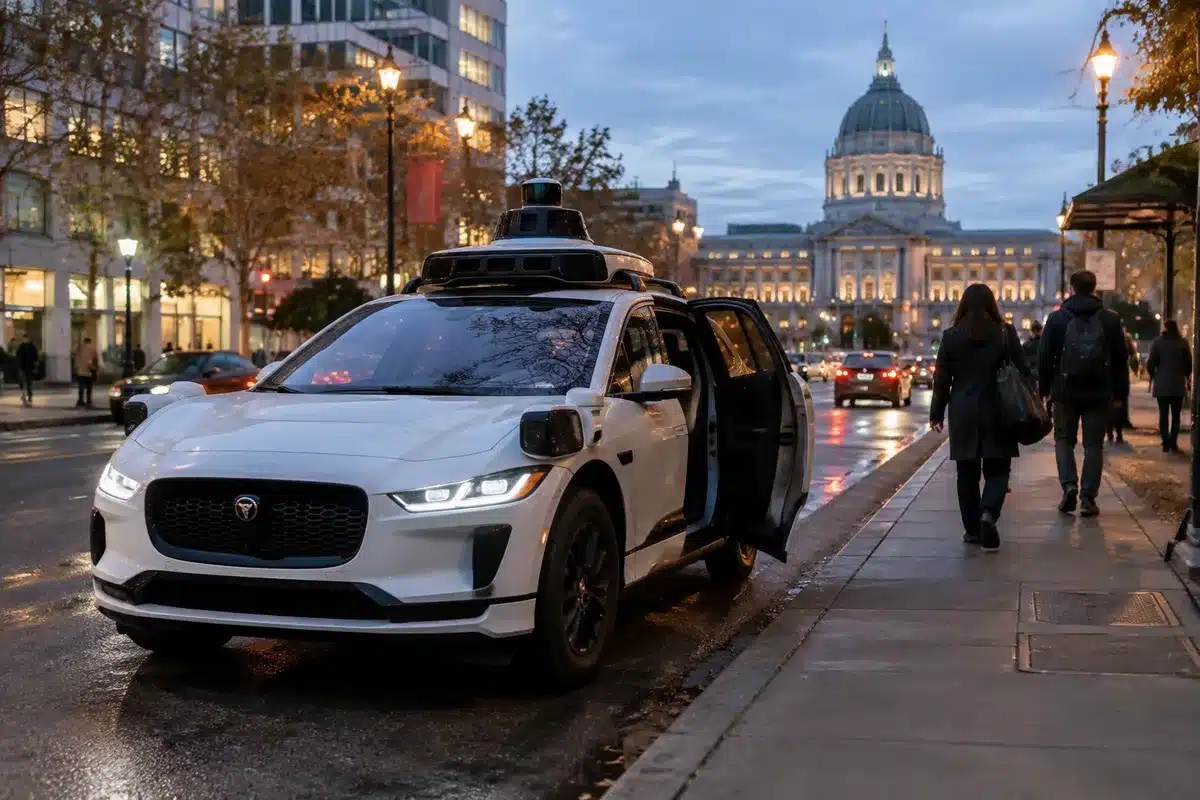
Washington, D.C., is considering legislation that would set conditions and fees for commercial self-driving vehicles, including robotaxis. A Reason report on a protest outside the D.C. Council building said drivers, labor unions and religious leaders opposed the proposal and Waymo, raising concerns about jobs, safety, surveillance and other effects of autonomous vehicles.
One of the protest’s repeated chants was “Robotaxis don’t vote; we vote.” Helen Raynor, a ride-share driver and single mother of four, questioned whether the proposal would benefit District residents. Autumn Weintraub, who leads 32BJ’s App Drivers Union, warned that autonomous vehicles could put local drivers’ jobs at risk. In remarks reported by Reason, Weintraub said the council needed a plan for workers who might be displaced.
The legislation under consideration would not allow companies to begin ride-hailing service before January 2028. Before receiving an initial permit, a company would have to participate in the city’s testing program for at least 180 days and record at least 250,000 test miles in the District. After a permit is issued, a company’s fleet would be limited to 200 vehicles until the District approves a more comprehensive plan.
D.C. aims to protect rideshare jobs, potentially shifting the cost to passengers
Bill Ackman says the Fed could soon err again
Fees and workforce programs
The bill would also impose a 15-cent charge for each mile driven by a commercial autonomous vehicle, along with a $1 million application fee and a $5 million permit fee. After administrative costs, the money would go to public transit and to education, vocational training and workforce development programs for ride-share drivers facing displacement.

Reason’s commentary argues that the per-mile charge could make robotaxi rides more expensive for customers. It cites BNP Paribas Equity Research estimates that autonomous vehicle operating costs could eventually reach 16 to 42 cents per mile, compared with roughly $1 per mile for Uber’s current human-driven model. Those figures are estimates, not established prices for future D.C. service; the report does not quantify how much the proposed fee would affect fares.
Safety claims and concerns
Supporters of autonomous vehicles point to their potential safety benefits, while protesters cited road safety among their concerns. Reason’s article references Waymo’s safety analysis, which compared more than 270 million driverless miles with human driving in the same cities. According to Waymo, its vehicles had 82 percent fewer crashes causing injuries and 95 percent fewer crashes resulting in serious injuries or death. These are company-reported comparisons, rather than findings independently established in the article.
The Reason report also says 720 people have died in traffic crashes in the District since 2006, with hundreds more seriously injured each year. The potential for fewer crashes is part of the case for autonomous vehicles, but the proposed bill would delay commercial ride-hailing and limit fleet size while setting fees and worker-support funding requirements. The protest reflected the competing concerns at the center of the debate: possible job losses and other community impacts, alongside projected changes to transportation costs and safety.
Reason’s account included additional reporting by Ryan Curtis.