Show summary Hide summary
British Prime Minister Andy Burnham, the only G7 leader to address the COP31 climate summit in Antalya, Turkey, pledged on Thursday to restore the United Kingdom’s climate leadership while announcing a new diplomatic post focused on climate-related security risks and fresh clean-energy finance commitments. His appearance comes as his government faces criticism for approving production at a North Sea gas field.
New climate security role and clean-energy finance pledge
Speaking at the United Nations conference, Burnham reaffirmed the U.K.’s commitment to achieving net-zero emissions by 2050 and urged countries to accelerate electrification of transport, heating and industry. He announced the appointment of Madeleine Alessandri as the U.K.’s first special representative for climate security and pledged British support for the Amplify program, which aims to mobilize 5 billion pounds (about $6.6 billion) in private investment for clean-energy projects worldwide.
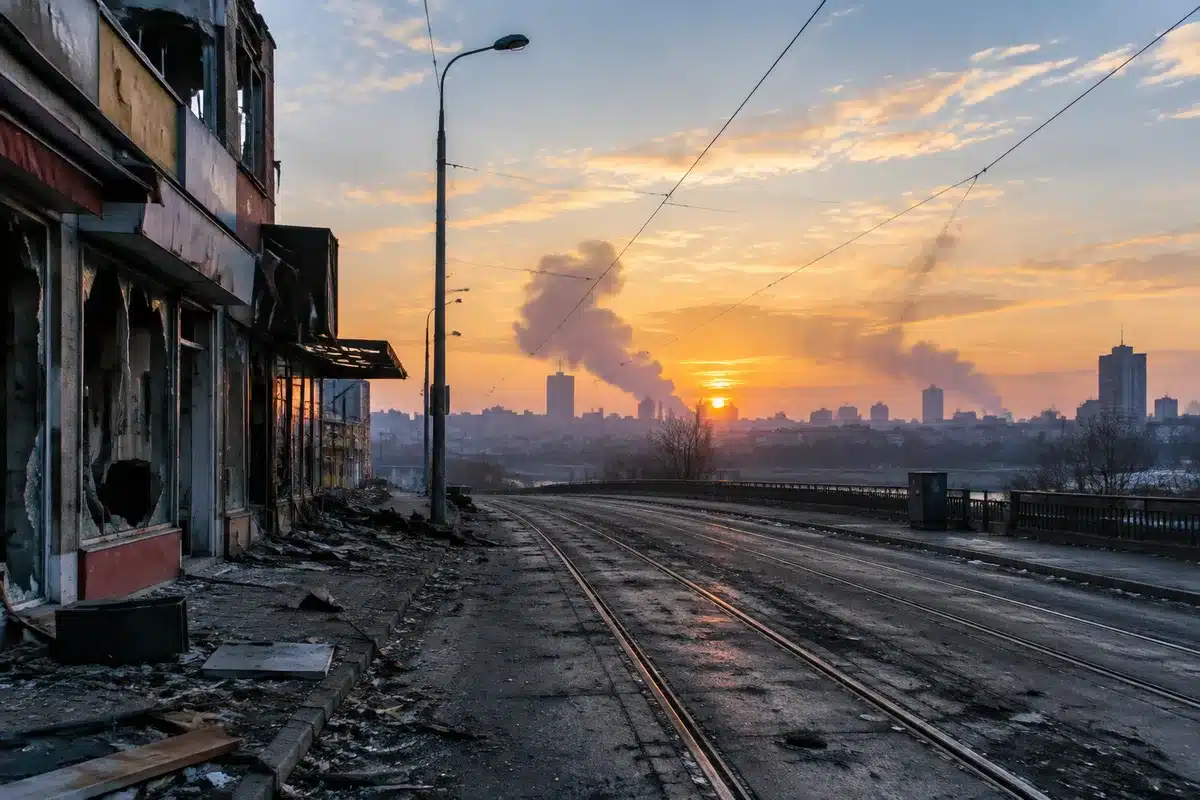
Russia strikes Kyiv with cluster munitions after agreeing to hold peace talks
Burnham vows to lead on climate after UK approves drilling
Burnham framed the measures as part of a broader push to link energy security, job creation and lower household bills with a transition to low-carbon technologies, citing recent approvals for offshore wind projects and investment in nuclear technology and steel production as examples of the government’s efforts to expand clean-energy industries.
“The consensus we once enjoyed on science and climate has gone,” Burnham told delegates, adding that “Climate leadership and action have become more urgent.”
Climate warnings and policy gap
Burnham acknowledged that governments have not acted quickly enough to keep warming within the Paris Agreement target of 1.5 degrees Celsius above preindustrial levels. A report released Thursday by Climate Action Tracker at the summit estimated that current government policies would lead to 2.7 degrees Celsius of warming by 2100, well above the Paris goal.
The Jackdaw decision and the test of credibility
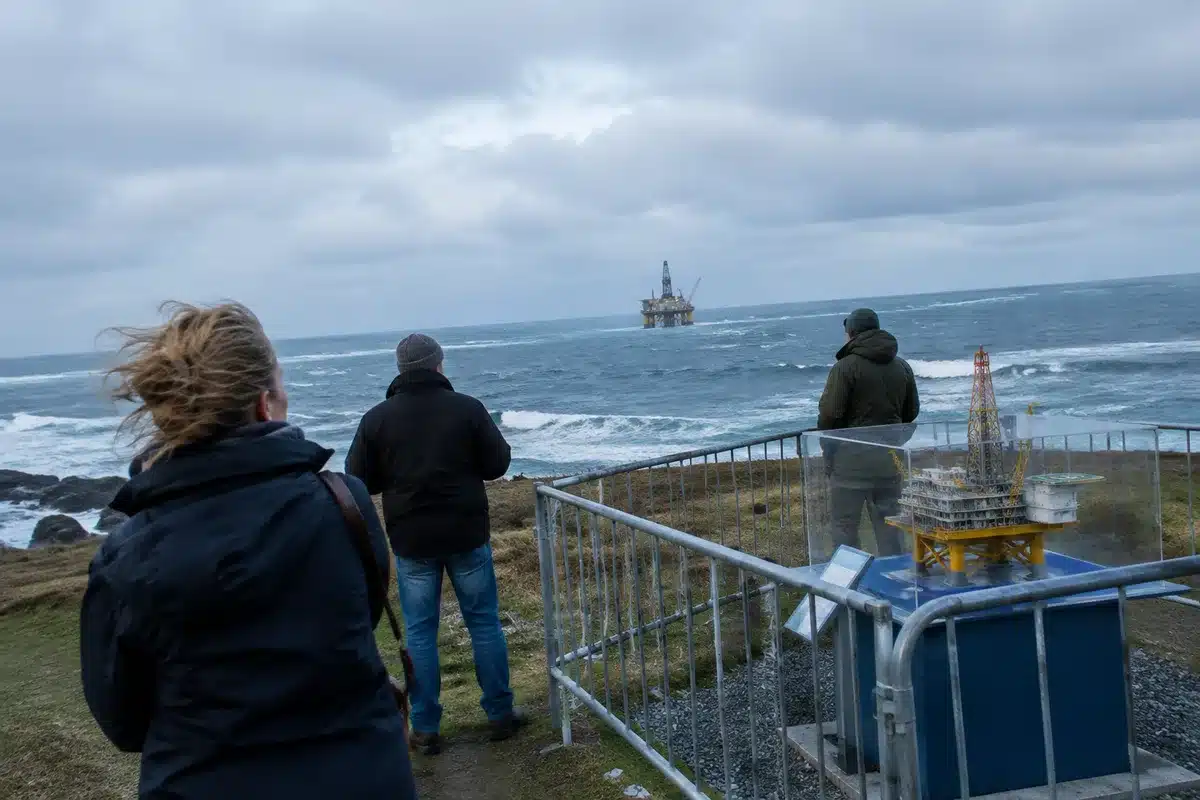
Three weeks before Burnham’s COP31 appearance, his government approved gas production at the Jackdaw field in the North Sea, a move that has raised questions about how continued domestic fossil-fuel projects fit with declared climate ambitions. Energy Secretary Miatta Fahnbulleh last month agreed that the regulator could grant consent for gas production at the field, which was already licensed; the project is expected to increase domestic gas output by about 6% at its peak and could supply the country for up to 11 years, according to reporting by Courthouse News.
The government defended the Jackdaw decision on energy-security grounds, saying domestic production would help shield consumers from international price shocks and support hundreds of jobs. It also reiterated its policy of not issuing new licences for exploring previously unlicensed oil and gas fields. A separate decision on the much larger Rosebank oilfield remains outstanding and has become a focal point of debate within the governing Labour Party, with some lawmakers urging rejection on climate grounds and others citing jobs and security.
Oxfam GB climate justice adviser Beth John welcomed Burnham’s presence at the summit but questioned whether words will be matched by policy. “Showing up is not enough: A crisis of this scale needs substantive action, not just signals,” John said. “The real test of climate leadership is delivery, not declarations.”
International disputes linked to fossil projects
The controversy extends beyond Britain’s waters. The British government supports development of the Sea Lion oilfield off the Falkland Islands, a British overseas territory about 300 miles off Argentina’s southeast coast. The field is estimated to contain 319 million barrels of oil, roughly 73% of the recoverable oil at the Rosebank field, according to Courthouse News. Argentina has asked the International Tribunal for the Law of the Sea to suspend the Sea Lion project, and President Javier Milei has threatened economic sanctions on businesses that cooperate with it.
With Rosebank still undecided, analysts and campaigners say that government choices on that project will be among the clearest signals of where Burnham’s administration intends to steer U.K. climate and energy policy in the coming years.
This report is based on coverage by Courthouse News and reporting from Courthouse News reporter James Francis Whitehead in Manchester, England.