Show summary Hide summary
Spain’s interim lower house of parliament on Thursday approved a package of housing measures intended to curb evictions and real estate speculation, a day after a national strike and large street protests over rising housing costs. The future of the measures is uncertain because a national election on Nov. 29 could bring a new government that has pledged to repeal them.
The interim chamber, reduced to 69 members after Prime Minister Pedro Sánchez dissolved the full 350-seat parliament and called an early vote, passed the first of two decrees by a single vote, 35–34. A second decree containing a more controversial proposal was rejected by one vote, 34–35, after a Basque center-right party sided with the right-wing bloc, according to reporting by The Associated Press.
Key provisions that passed
Spain approves housing rules after mass protests; duration may hinge on election outcome
Trump says harsher deportation measures harmed his midterm performance
The approved decree includes several measures the government says are aimed at protecting vulnerable tenants and dampening speculative buying. It extends protections against evictions for tenants whom social services consider to be in precarious financial or social situations when regional authorities cannot offer alternative housing; that protection is set to last through 2030.

To discourage wholesale purchase-and-resell operations that can push up prices, the decree bars companies operating in the real estate market from buying properties for less than 70% of their declared value. The law also stops rent increases for tenancies whose current rent already exceeds the government’s neighborhood reference price.
The package creates a 10% tax on apartments rented to tourists — including units offered through online platforms such as Airbnb — and includes a tax incentive to encourage longer-term leasing. It also provides for government-backed loans to help with down payments on homes intended for residential use.
Measures that failed
The rejected second decree would have allowed residential leases to be automatically renewable by tenants; landlords wanting to terminate such contracts would have been required to compensate tenants with a year’s worth of rent. Many lawmakers warned that the change could prompt homeowners to pull properties off the rental market, reducing supply and driving rents higher. The proposal failed after the narrow vote.
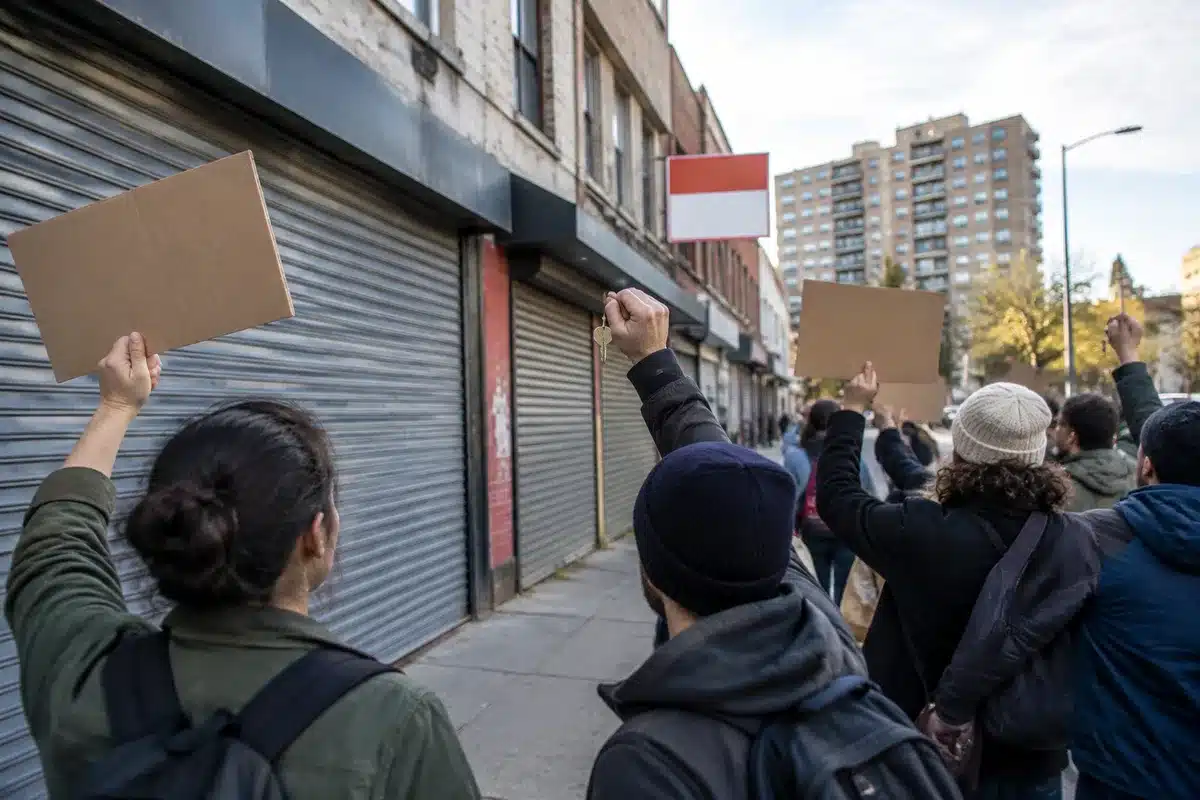
Interim Housing Minister Isabel Rodríguez, speaking to lawmakers, linked the parliamentary debate to the street demonstrations and the strike, saying, “Yesterday, the right to housing won on the street and in workplaces, and I hope it will win again at the ballot box.” The minister was referring to the protests and the Nov. 29 election.
The government first attempted to enact the measures in October following public outrage after a nationally televised eviction and the subsequent death of an 87-year-old woman in Madrid. At that time conservative parties in the full parliament rejected the package, prompting Sánchez to call the early election and to try again in the smaller interim chamber after splitting the proposals into two decrees to preserve the parts with broader support.
Opposition leader the Popular Party (PP) has vowed to repeal the government’s housing measures if it wins the election. PP lawmaker Sergio Sayas told the interim chamber, “You promised us more housing and have only given us tons of demagoguery.” The PP also says it would promote construction of one million new homes and reduce taxes and red tape for developers if it returns to power after eight years of Socialist-led rule.
The reporting for this article was provided by Joseph Wilson of The Associated Press.