Show summary Hide summary
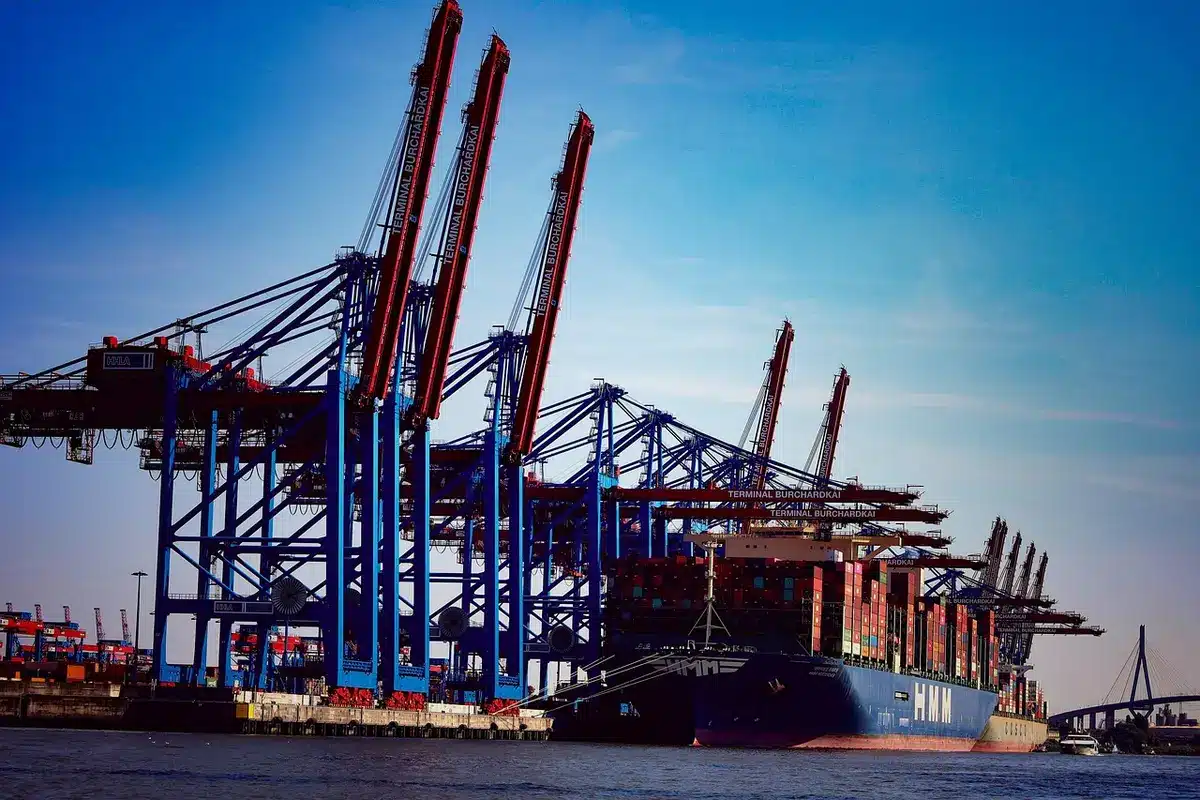
Dockworkers across Europe and beyond staged strikes on Friday as part of an international campaign opposing arms shipments and demanding better working conditions, the Associated Press reported. Unions in several countries said the action aimed to halt the use of ports for military cargo and to call for an end to wars they said were fueling the flow of weapons.
A joint statement from unions in France, Italy, Greece, Spain, Turkey and Morocco urged an end to conflicts in the Middle East, including the war in Gaza, and demanded “an end to the militarization of ports.” The statement added, “Ports must not be used for the transport of weapons, ammunition, military equipment and troops,” and declared, “Dockworkers do not work for war!” according to the AP.
Organizers said more than 100 ports across several countries had joined the protests, which they warned could disrupt operations in Europe, the Mediterranean region and North America. Participation was expected to vary by location, ranging from full-day strikes to shorter walkouts and demonstrations.
Republicans urged to shift to positive messaging to close the deal
Russia strikes Kyiv with cluster munitions after agreeing to hold peace talks
Where protests took place
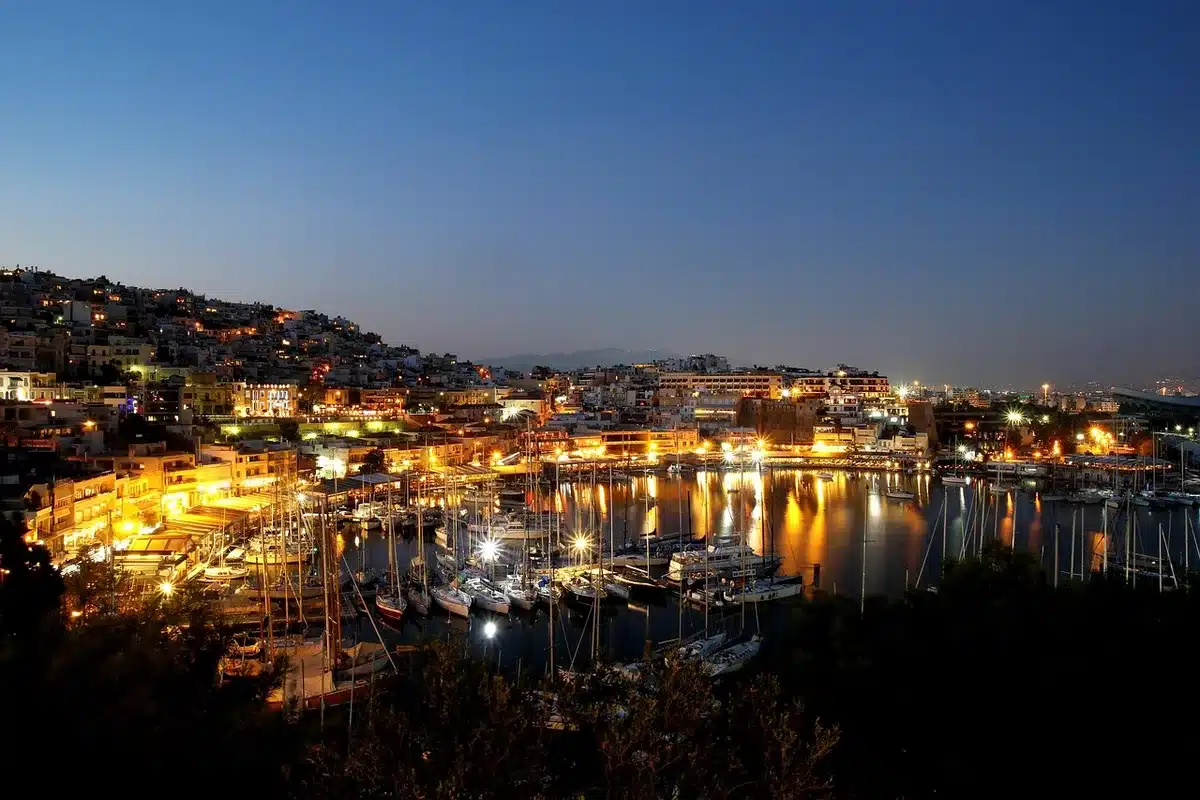
In Greece, dockworkers’ unions called a strike at Piraeus, the country’s largest port, and a separate seafarers’ action over pay, working conditions and safety kept ships docked and disrupted some ferry services. Giorgos Gogos, president of the Dockworkers Union of Piraeus Port Authority, told the AP, “We don’t want to participate in any war, all around the world. We don’t want our ports to be hubs of military material, transferred so as to kill people.”
Protesters gathered outside Istanbul’s Haydarpasa port in Turkey beneath a banner reading “No to war, no to armament!” In Italy, demonstrations were planned in major ports including Genoa, Trieste and Gioia Tauro to coincide with a nationwide general strike called by the Unione Sindacale di Base (USB). Tens of thousands marched across Italy over high prices and other issues, though the AP reported the general strike caused less transport disruption than anticipated after the government ordered transport workers back to work.
France’s CGT ports and docks federation called a one-day strike at major French ports including Le Havre, Marseille, Dunkirk and Rouen, opposing what it described as the “militarization of port facilities” under European policies and budget proposals it says threaten social protections.
Potential supply-chain impact
Shipping and logistics firms warned of possible delays but expected the overall effect on global trade to be limited. Supply-chain management company C.H. Robinson alerted clients to potential operational disruptions and shipment delays, noting the impact would vary by port, terminal and level of worker participation.
Marcus Baker, global head of marine, cargo and logistics at insurance broker Marsh, told the AP that a 24-hour strike was unlikely to significantly disrupt global trade overall but could affect perishable goods and other time-sensitive shipments. Judah Levine, head of research at online shipping marketplace Freightos, said the action could worsen congestion at already-busy ports such as Genoa, where vessels sometimes face one- to two-day waits for a berth.
Ed Anderson, a professor of supply chain and operations management at the University of Texas’ McCombs School of Business, told the AP the protests were unlikely to cause outright shortages, saying, “Just one day is not that much in terms of disruption.”
The scale of disruption remained unclear at the time of reporting. Organizers and unions framed the strikes as both a political protest against arms transfers and a push for improved labor conditions; reporting on participation and effects was provided by the Associated Press.