President Donald Trump said in a televised interview that his immigration enforcement push after the midterm elections “went too far” and likely harmed Republican performance, while also expressing openness to negotiating an immigration deal with Democrats. Trump made the remarks in an interview with CBS’ “60 Minutes” that aired Sunday night, days after elevating Stephen Miller—described in the report as one of the policy’s key architects—to replace former White House chief of staff Susie Wiles on Monday.
“I think it was too tough,” Trump said on “60 Minutes.” “And I think — I think ultimately, that hurt me,” he added, acknowledging that the administration’s overhaul of immigration enforcement was a factor in GOP losses across the country during the midterms.
At the same time, Trump defended elements of his immigration agenda. “I think I got an A+ for closing up the border. I get very high marks for getting the bad ones out,” he said, while conceding that enforcement actions also swept up immigrants who had “good jobs” and created backlash among voters.
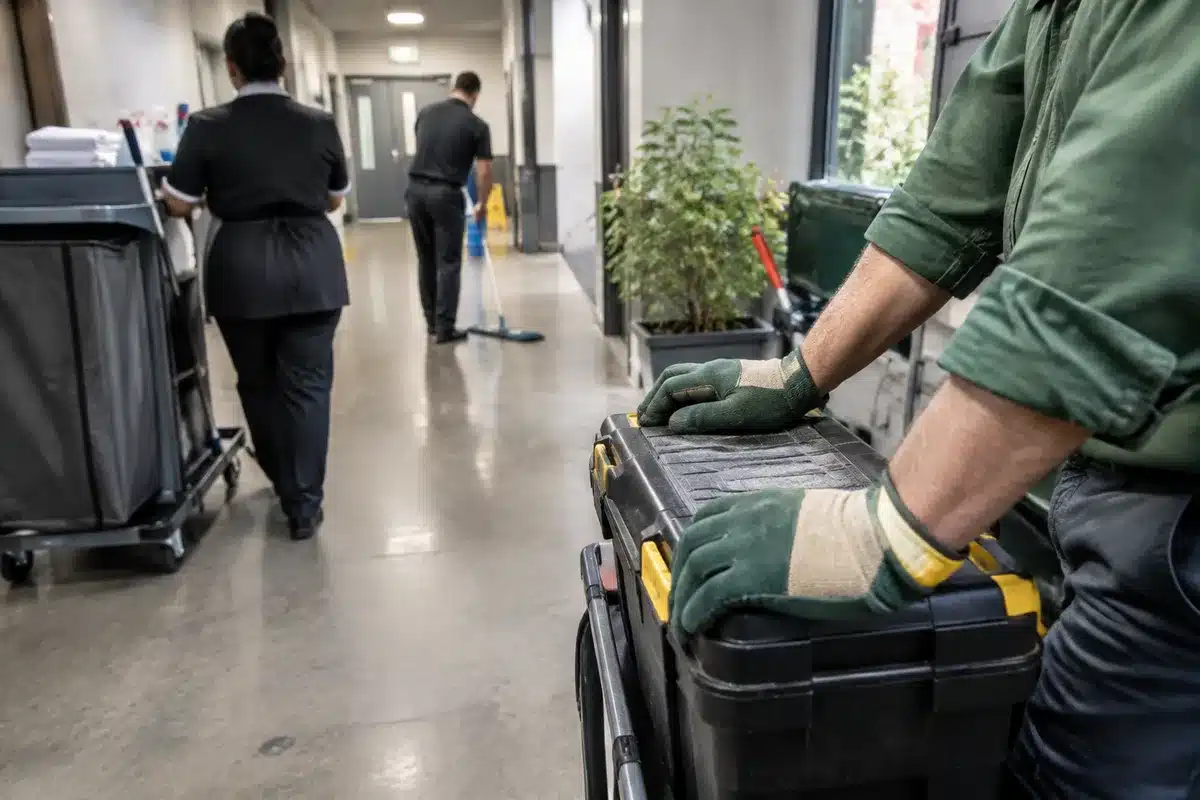
Trump illustrated that point by naming occupations such as cleaners, waitresses and landscapers, saying: “When you go into a hotel and you have a woman that’s worked there as a, you know, as a maid, as a cleaner … as a waitress, a lot of good things, great jobs. And all of a sudden they’re being taken out of the country. It’s tough. It’s a tough thing.”

The interview comes as the White House made personnel changes tied to immigration policy. The “60 Minutes” report noted that Stephen Miller, who helped shape the administration’s hardline immigration stance, was elevated on Monday to succeed Susie Wiles as chief of staff.

Despite his criticism of some enforcement outcomes, Trump said he remains willing to work with Democrats on immigration. “I’d love to do something on immigration,” he told CBS, adding, “Well, the deal would be we would work something out. And I think it’s something — I think that’s something that’s actually doable.”
He suggested any deal could include provisions for long-term residents who have been in the United States for many years. “Let the people that are here and in some cases here for 10 and 15 years, work a deal for them,” he said.
Asked whether he could refrain from insulting Democrats for six months in order to reach a bipartisan agreement, Trump said he could. He also asserted that “People have already called me,” regarding interest in negotiating, but did not identify who had reached out.
The comments represent a mix of contrition and continued emphasis on border security: Trump acknowledged political costs tied to aggressive deportations while reaffirming the administration’s priority of removing what he described as “the bad ones.” The interview aired after midterm election results that Republicans overall viewed as disappointing, a context Trump explicitly linked to immigration enforcement choices.