
Show summary Hide summary
Inflation accelerated in September as higher energy costs pushed the consumer price index (CPI) above expectations, the Bureau of Labor Statistics (BLS) reported on Wednesday. The BLS said the CPI — a broad measure of prices for goods and services such as gasoline, groceries and rent — rose 0.6% for the month and was up 3.7% from a year earlier.
Expectations and core inflation
The monthly 0.6% increase matched the median estimate of economists polled by LSEG, while the 12‑month rise of 3.7% came in slightly hotter than the LSEG forecast of 3.6%. Measures of so‑called core inflation, which exclude volatile energy and food components, rose 0.3% in September and were up 2.6% year over year — both a touch stronger than economists had expected (0.2% month‑over‑month and 2.5% year‑over‑year, LSEG).

Breakdown of what moved prices
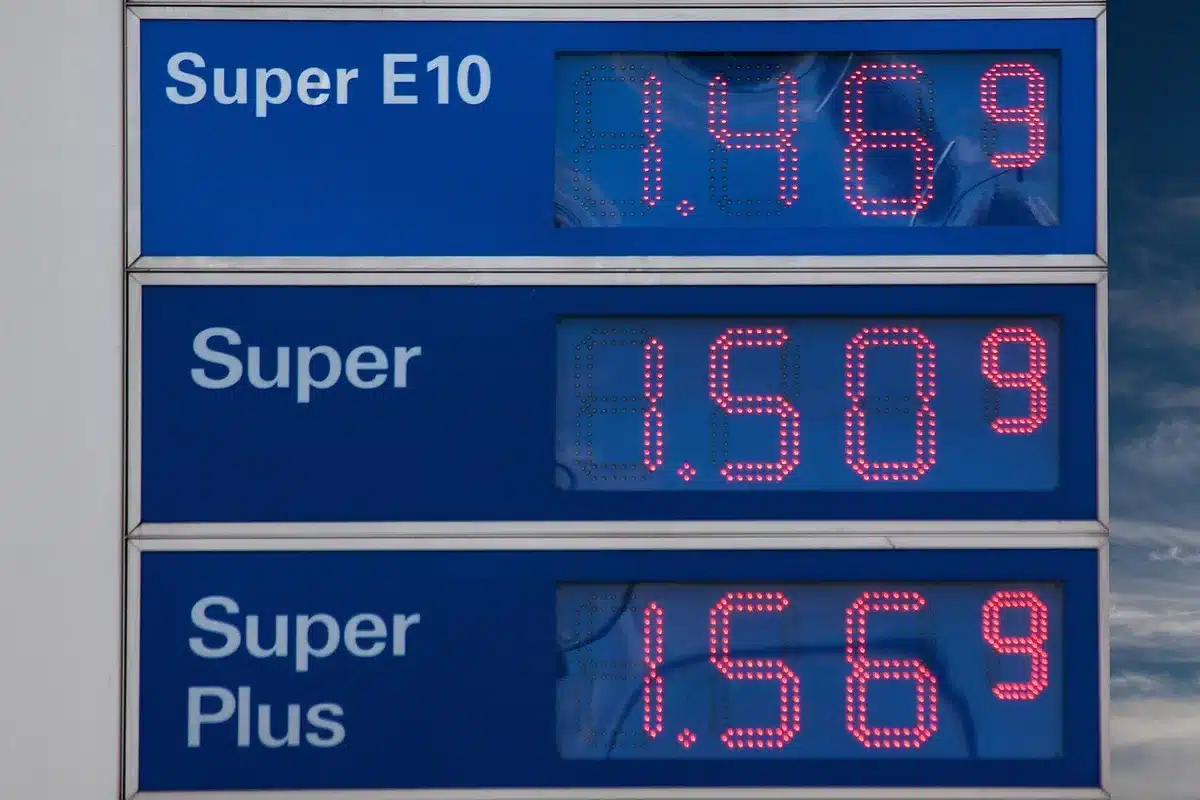
Energy costs were the largest driver of the monthly gain. The BLS said the overall energy index climbed 5.2% in September and was 20.4% higher than a year earlier. Gasoline alone jumped 9.1% for the month and 34.2% compared with September a year ago; the BLS noted the gasoline index accounted for more than half of the monthly rise in the headline CPI. Electricity costs rose 0.2% for the month and were up 4.4% year‑over‑year.
Food prices were unchanged for the month and are 2.5% higher than a year earlier. Within food, the index for food at home fell 0.1% month‑to‑month and is up 1.8% year‑over‑year, while food away from home rose 0.2% for the month and is up 3.5% from a year ago. The meats, poultry and fish category declined 0.4% for the month and is up 2.2% year‑over‑year; beef and veal prices fell 1.0% in September and are 3.5% higher than a year earlier. Egg prices dropped 1.3% in September and are 20.6% lower than a year ago as supply conditions normalized after an avian flu outbreak.
Other notable moves: the fruits and vegetables index increased 0.5% for the month and 3.7% year‑over‑year; coffee rose 0.9% in September and is up 7.1% from a year ago. Housing costs rose 0.4% month‑to‑month and were 3.2% higher than a year earlier, while tenants’ and household insurance costs increased 0.2% for the month and were up 3.0% year‑over‑year. Transportation services were up 0.6% for the month and 2.7% from a year earlier, with airline fares rising 1.2% for the month and 22.4% year‑over‑year.
What economists say
Vanguard senior economist Adam Schickling said the report “reinforces what we’ve been saying for several months: inflation is proving more persistent than many expected, particularly across services. While energy remains a factor, the more important story is that demand has stayed remarkably resilient.” Schickling added: “We’re entering a phase where stronger productivity, moderating wage growth, and more price‑sensitive consumers should help bring inflation lower, but patience will be required.”
Tim Urbanowicz, chief investment strategist for innovator ETFs at Goldman Sachs Asset Management, warned the hotter print complicates the disinflation story. “Today’s print puts the Fed’s tactical breather priced into the market for October in question,” he said. “With $100‑plus crude adding friction to already sticky core prices, the latest data increasingly complicates the disinflation narrative and may limit the Fed’s flexibility.”
Implications for the Federal Reserve and markets
The Federal Open Market Committee is scheduled to meet on October 27–28. After the September CPI release, the CME FedWatch tool showed the market shifted toward a higher probability of a rate increase: the chance the Fed would leave the federal funds rate at its current 3.75%–4.00% target range fell from 77.9% on Tuesday to 58.5% on Wednesday, while the odds of a 25‑basis‑point hike rose from 22.1% to 41.5%.
Financial markets moved on the data: the S&P 500 was down about 0.95% during Wednesday morning trading, the Dow Jones Industrial Average fell 0.13% and the Nasdaq Composite declined 1.42%.