Show summary Hide summary
Volunteer-run homeowners associations and condo boards are facing growing strains as aging buildings, higher insurance costs, stricter safety rules, and rising assessments force difficult choices on unpaid neighborhood volunteers. Personal accounts collected by Business Insider paint a picture of exhausted board members juggling repairs, fraught elections, and angry neighbors while managing increasingly large bills tied to major projects.
Why owners step up — and why they stay stuck
Many owners join boards out of self-preservation or civic duty; others see the role as a way to enforce rules. Evan McKenzie, a political-science professor and author of Privatopia, describes two common types: the “reluctant pragmatists” who step in to solve problems, and the assertive “condo commando” personalities who want to shape neighbors’ behavior. Those groups often clash — or find themselves carrying the workload while most residents remain apathetic.
Sen. Rubio says a war with Iran may lack popular support but would be necessary
Cheesecake Factory posts earnings gain tied to site at center of Obama-Trump dispute

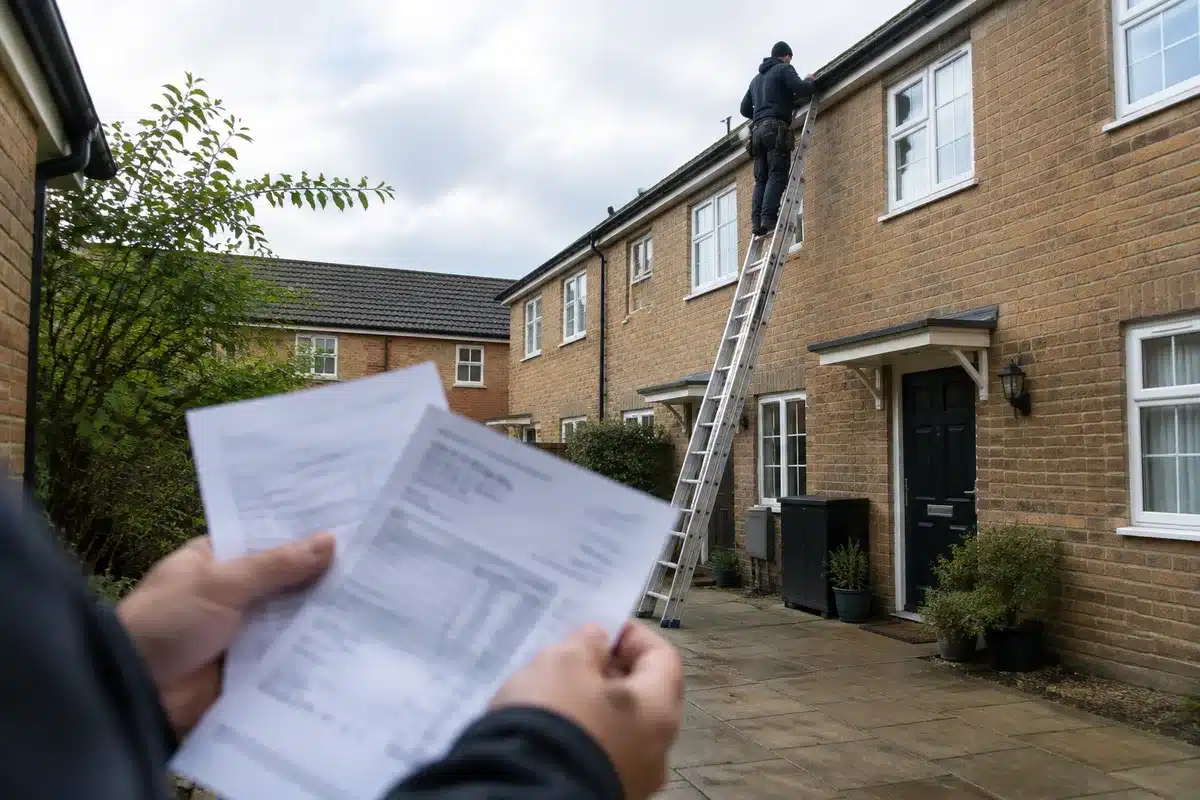
In Los Angeles, Lana Martin — who bought a townhouse in 2022 and works for the California state government — joined her three-person HOA board after discovering an old, leaky roof flooding neighbors’ living rooms. The other two board members were minimally involved, leaving Martin to handle vendor calls, resident complaints, and an underfunded property manager. Residents resisted a roughly $160,000 roof replacement that translated to about a $13,000 assessment per unit; some accused the board of illegal conduct and threatened lawyers. “They wanted to second guess everything, Monday-morning quarterback everything, rather than just become involved,” Martin said.
What serving on a board actually looks like
For many volunteers, the job becomes an around-the-clock customer-service role. James, a Los Angeles product designer who joined his board in 2023, described nonstop demands: routine emails about intercom numbers or pest sightings, and even reports that required emergency responses. “You’re never really off the clock,” he said, but he feels stuck because no one else will step up.
Retiree Alice Young in suburban Chicago said she’s willing to serve as long as the work doesn’t cut into her pickleball time, but the tasks can be tedious — for example, securing a property-manager replacement or confirming removal of a single extension cord to close a violation.
Money is the central pressure point
The financial burden on associations has intensified. Emily Stewart at Business Insider reports that there were about 373,000 community associations in the U.S. in 2025, covering 29.6 million housing units and 78.1 million residents, up from roughly 222,500 associations in 2000. Associations collected about $124.2 billion in assessments last year. Those aggregate figures help explain why disputes over dues, assessments, reserve funding, and repairs become heated.

Boards often face starkly different perspectives on costs: older residents on fixed incomes may prioritize low monthly fees, while younger households push for investment in amenities and repairs. Nadav Shoked, a law professor at Northwestern, notes that directors frequently live next door to the people affected by their decisions, which creates conflicting personal and financial incentives.
Florida’s example: inspections, rules, and rising dues
Florida illustrates the fiscal crunch. The state had about 50,600 community associations covering 4.5 million units and 10.9 million residents, and owners there contribute more than $20 billion to associations annually, Stewart reported. A 2023 Florida Senate analysis found 912,000 of the state’s 1.5 million condo units were at least 30 years old. After the 2021 Surfside condominium collapse that killed 98 people, Florida required milestone structural inspections for qualifying buildings and tightened rules so owners cannot simply vote to underfund reserves; Redfin found double-digit year-over-year increases in condo dues across several Florida metro areas in 2024.
Board members said those changes have led to big loans and steep assessments. Paul Vesely, who joined his Florida condo board in 2009, said his association has taken out more than $2 million in loans for renovations; in one instance an owner with cancer fell behind on payments and faces collections if she does not catch up, a situation Vesely described as a painful but necessary enforcement of fiduciary obligations.
Conflict, burnout, and the narrow path ahead
Conflicts range from personal insults during elections to fights over pet rules and parking-lot upgrades. Olivia Horbowy, an attorney who bought a top-floor condo in Los Angeles in 2024 and moved in spring 2025, was hit with about $15,200 in accumulated fines tied to a remodel before she ran for the five-person board; after legal exchanges she did not pay. One veteran board member resigned after using abusive language in emails to other directors.
A.J. Steigman, a Florida real-estate investor who serves on two boards, summed up the emotional environment: “HOAs are the ultimate pressure cooker environment for human interactions.”
Board members in the interviews said the work is time-consuming, unpaid, and often thankless — but necessary to keep buildings safe and finances solvent. Lana Martin said she felt relief when roof construction finally began, while acknowledging more governance tasks remain, such as drafting a towing policy. The anecdotes and figures above were reported by Emily Stewart, a senior correspondent at Business Insider.