Show summary Hide summary
This as-told-to essay is based on a conversation with Yolanda Williams, 46, who lives in central Arkansas with her 9-year-old daughter on a farm with another single mom and her two children. The interview was conducted for Business Insider and has been edited for length and clarity.
Williams says she bought a 3.19-acre parcel of wooded land in rural Arkansas in 2023 after years of driving local back roads and imagining a different life for her and her daughter. She purchased the lot through a For-Sale-By-Owner listing on Facebook Marketplace for $40,000, putting down $12,000, and used a real-estate agent to complete the sale, she told Business Insider.
Preparing the land and moving in
Sen. Rubio says a war with Iran may lack popular support but would be necessary
Cheesecake Factory posts earnings gain tied to site at center of Obama-Trump dispute
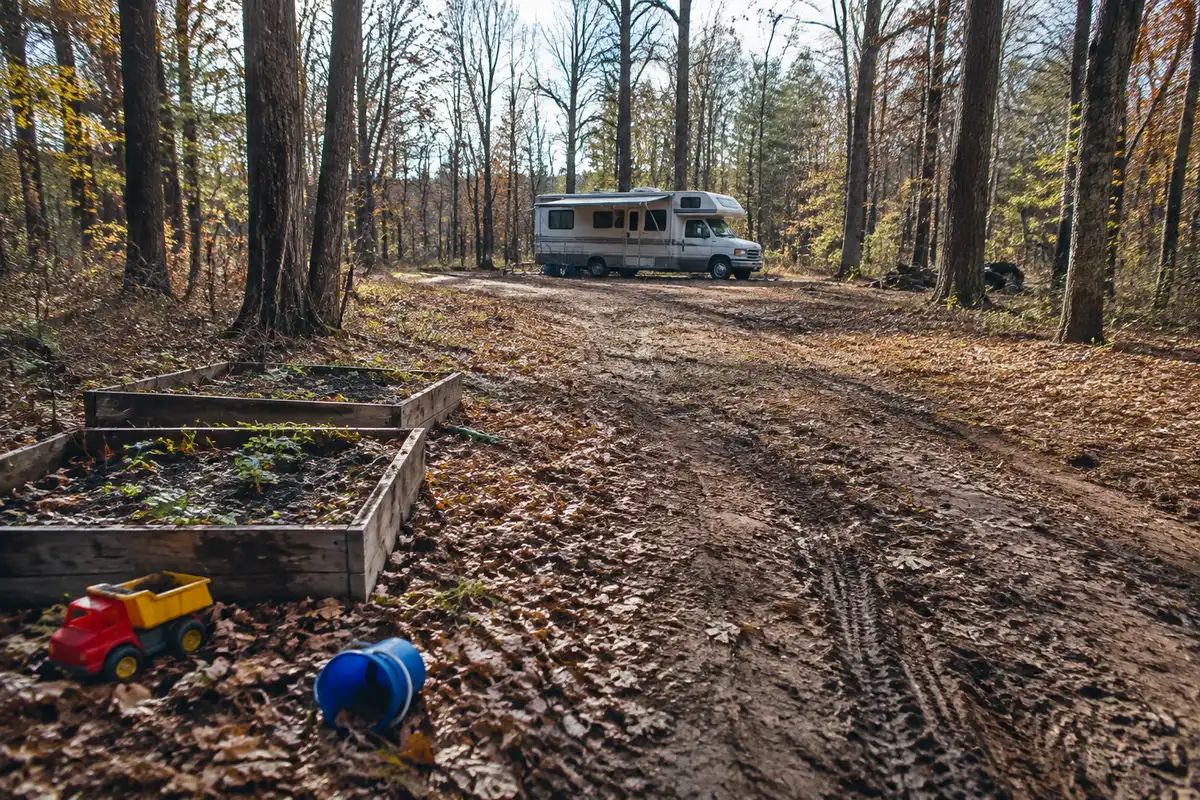
Williams said the property was raw, fully forested land when she bought it, and required clearing and basic infrastructure work before it could be lived on. At the end of 2024 she secured a grant to help pay for infrastructure, spent 2025 getting the land ready, and moved onto the property in March 2026 after a driveway, utilities, and clearing were completed. Because she had limited funds to build a home immediately, she and her daughter are staying in an RV on the lot while they plan permanent construction.
Williams described the monthly costs: a land mortgage payment of $485 and an RV payment of $400, which she said totals about $885 a month to live on the land. Utilities run roughly $150 to $200 in the summer and about $100 for water, she said. Williams, who left Southern California in 2017 after paying $600 to rent a guest room, told Business Insider that living on the Arkansas land is “exponentially cheaper.”
Rural routines and health
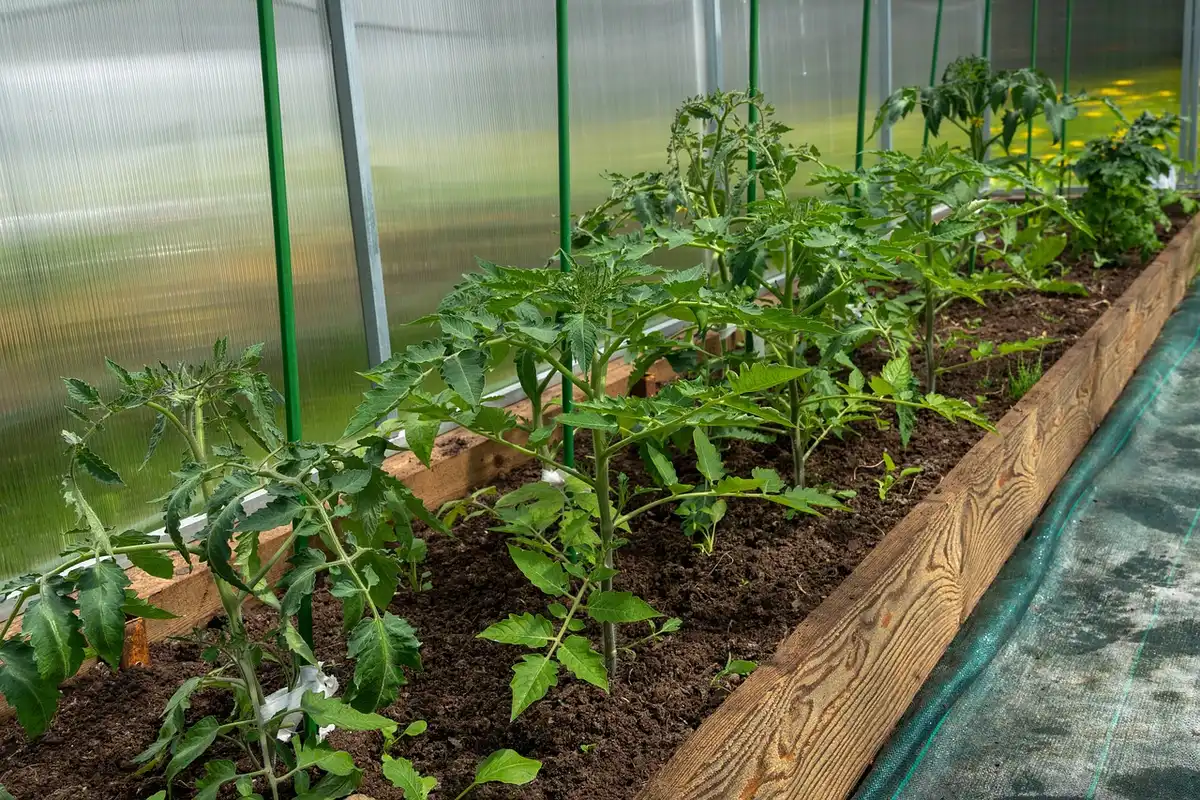
Living on the land, Williams said, has changed daily life. She described more time outdoors, gardening and moving frequently around the property, and said the lifestyle has had a measurable impact on her health: she told Business Insider she has lost 30 pounds since March because she is more active and getting more sun. Her daughter has also spent more time outside, she said, and both feel “more content” and “more at peace.”
From online contact to co‑living “mommune”
Williams said she met another single mother, Sunnie, on the social media app Threads. After Williams replied to Sunnie’s posts about looking for land and later saw Sunnie visiting Arkansas with her two children (then 11 and 5), Williams messaged her, they exchanged numbers and arranged to meet. Their first visit was a pizza dinner with the kids, Williams told Business Insider, and the children quickly got along.
Williams said she offered Sunnie a place to stay while Sunnie searched for land of her own, both to save on hotels and transportation and because Sunnie knew no one in Arkansas. Sunnie accepted and the two split the mortgage and utility costs. Williams calls their arrangement a “mommune”: a matriarchal, cooperative household where the women garden, share chores and childcare, and support one another’s needs.
Williams described the early work they did together — clearing ticks, weeding, building planters and sowing seeds — and said they now grow herbs and make fertilizer together. She emphasized that practical cooperation matters: many people want this life in theory, she said, but few are willing to “roll their sleeves up and get dirty” to help others.
On the emotional side, Williams said the arrangement has provided a level of daily support she had not experienced as a long-time single mother. She recounted a recent Mother’s Day when Sunnie noticed she was struggling, took the children and gave Williams space. Williams said that ability to ask for and receive help — for childcare, errands, or simply a break — has been transformative.
Williams also described broader goals for the property: she hopes to build a permanent home on the land before she turns 50 and expects to use the RV as temporary housing while saving and planning for construction.
Throughout, Williams framed the project as intentional community-building rather than a substitute for romantic partnerships. As she told Business Insider, “we need to decenter and deprioritize romantic relationships and just focus on relationships in general, whatever that support looks like.” She added that the change in daily support has affected her wellbeing: “Ever since I met Sunnie, I can just tell there’s a change in my nervous system. Having someone here means I can tap out.”