
Show summary Hide summary
Mike Savage parlayed modest paychecks and limited savings into a multi‑property real‑estate business, using unconventional financing and homegrown management strategies to build income outside his day job, according to an interview and reporting by Business Insider.
Early moves: USDA loan, an $8,000 credit and a rental conversion
Savage and his wife bought their first home in Massachusetts in 2010, using a USDA rural housing loan that allowed for a 0% down payment and an $8,000 first‑time homebuyer credit available amid the housing crisis, Business Insider reported. After work moved the couple to the South about three years later, they converted that Massachusetts house into a rental and bought a primary residence in Mount Pleasant, South Carolina.
DCCC seeks ads criticizing GOP approach to AI and data centers across dozens of House races
Clock shows 2:57
Savage told Business Insider the pair began with tight finances. He said there was “not a whole lot of money between us,” as he held jobs in sales and later worked as a firefighter and EMT while his wife taught.
Risky but pragmatic financing: a truck loan and HELOCs
Savage’s first investment purchase was a $49,000, three‑bedroom house in Charleston in 2015. With little cash on hand, he borrowed against his paid‑off truck to cover about a $10,000 down payment — a move Business Insider described as using a vehicle as collateral. The outlet noted that borrowing against an asset can unlock cash quickly but puts that asset at risk if payments aren’t met.
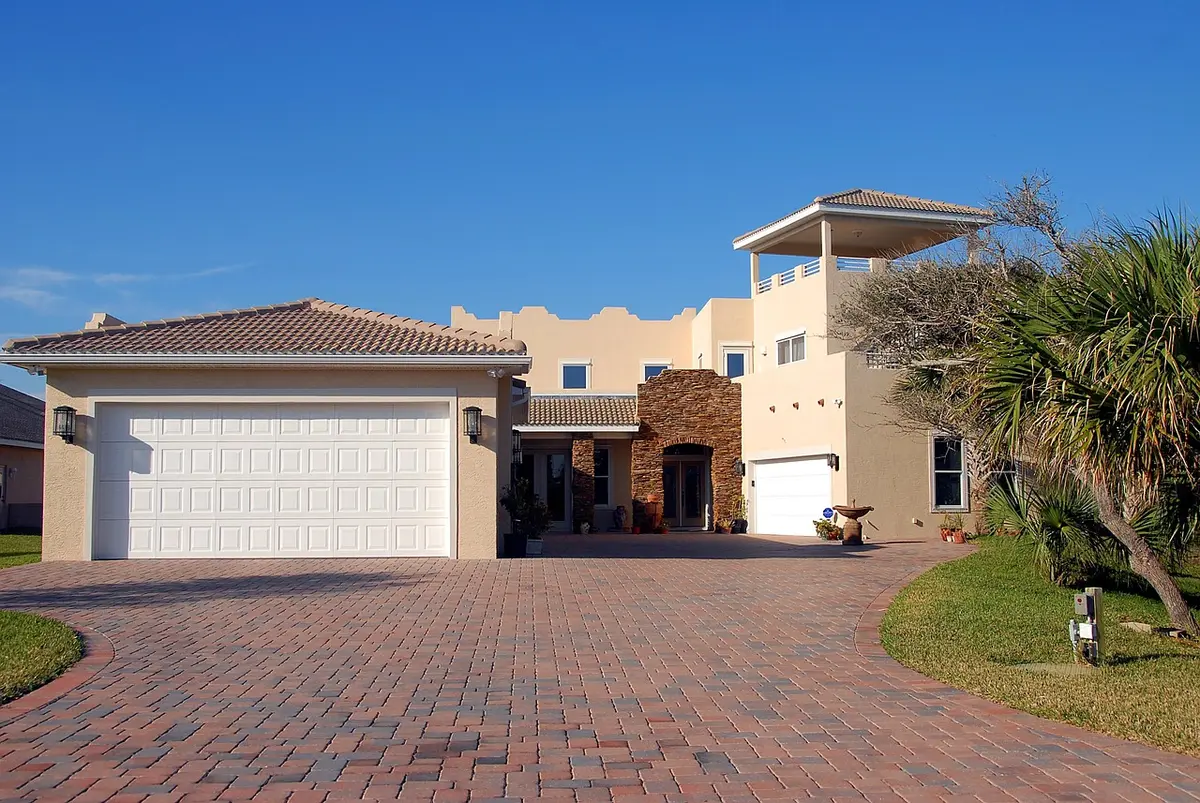
To continue expanding, Savage tapped home equity lines of credit. He and his wife took out roughly a $30,000 HELOC on their Mount Pleasant home to help buy a $250,000 townhouse in downtown Charleston, then converted the Mount Pleasant property into a short‑term rental. Business Insider explains a HELOC lets homeowners borrow against their home equity via a revolving line of credit during a set draw period.
They repeated the playbook by taking a HELOC on the downtown property to buy their current home and converting the downtown place into another short‑term rental. That arrangement later changed when Charleston tightened short‑term rental rules and the couple shifted that property to a long‑term lease.
Scaling up, a new business and a strategic shift
Around 2018, Savage began attending local investor meetups and learned about alternative financing such as hard‑money loans and the BRRRR method, which accelerated his acquisitions: he bought three long‑term rentals in 2020 and six more in 2021. Business Insider reviewed property‑tax records confirming Savage’s ownership of several properties.

A change in his fire‑department pay structure pushed Savage to treat real estate not just as supplemental retirement savings but as a career. He said he felt constrained by employer decisions: “I remember feeling very helpless,” he told Business Insider. Out of frustrations with existing property managers, he cofounded SynergyStays, a short‑term rental revenue‑management business based on his experience as an Airbnb host who wanted rentals run more as businesses than simply as properties. As Savage put it, some managers treated his listings “less as a business, and more as, well, a property.”
Consolidation and income results
More recently, Savage has shifted from accumulating many units to maximizing income per unit. This year he sold four long‑term rentals, used the proceeds to pay down debt and held roughly $450,000 in cash from those sales; he told Business Insider he plans to put about $350,000 of that toward a single short‑term rental he expects will earn more than the four properties combined. “I want to achieve more through less,” he said.
Savage estimates his net worth at about $2 million. He said his take‑home pay in his final full year with the fire department, 2021, was roughly $40,000; the following year an accessory dwelling unit he built generated about $35,000 in gross income. He told Business Insider that income now comes roughly half from rentals and half from SynergyStays, and that leaving the department has given him control over his pay and schedule even as he continues to work hard. “I get to decide that. I go out and make decisions, and work harder, or do things smarter to help myself make more money.”
The account and figures in this article are drawn from an interview and reporting by Business Insider and from Business Insider’s review of property‑tax records.