Show summary Hide summary
HONG KONG (AP) — China and the European Union reached a broad preliminary agreement Friday after two days of high-level trade talks aimed at easing growing tensions over trade imbalances, the Associated Press reported. EU Trade Commissioner Maros Sefcovic said the package includes measures on tariffs and supply chains and will be presented to EU leaders for approval.
What the preliminary deal would do
Neither side released full details, but Sefcovic said the initial deal would lower tariffs on some European goods entering China and include steps to stabilize rare earths supply chains, a strategic area for high-tech manufacturing. He also told reporters the agreement could cut as much as half of projected Chinese electric and plug‑in hybrid vehicle exports to the EU, and that the tariff changes would benefit “almost every” EU country. The package requires approval from leaders across the EU’s 27 member states.
Federal authorities seize 90 shipments of biodiesel valued at $2.8 million bound for Cuba
Republican Sen. Collins and Democrat Jackson clash in debate on Trump, trade and abortion

Sefcovic framed the move as a defensive measure for European industry, saying, “By this step we are actually preventing several millions of car exports from China to the European Union.” He added he will brief EU leaders in Brussels next week and seek their authorization to proceed.
Chinese response and next steps
China’s Commerce Ministry posted online that Commerce Minister Wang Wentao expressed concern about recent EU restrictive measures and warned that Beijing should not be portrayed as the root cause of the bloc’s economic problems. The ministry quoted Wang as saying “China is not the root of the EU’s problems but a partner in solving them.”
Negotiators plan to continue talks by videoconference in January and resume in person in March, Sefcovic said. He described this week’s meetings as the culmination of three months of intensive work and noted he had set an October deadline for meaningful progress on rebalancing trade.
Context: rising trade friction
The discussions come amid mounting trade frictions between China and several trading partners. The two sides have recently imposed or considered curbs on each other’s imports: the EU has moved to limit imports of Chinese-made electric vehicles and EV batteries, enacted measures intended to protect its steel industry, and restricted duty‑free e-commerce small parcels — a move that targets fast‑fashion sellers in China. China has launched its own trade actions, including an anti‑dumping investigation into EU imports of p‑nitrotoluene, a chemical used in dyes and pharmaceuticals.
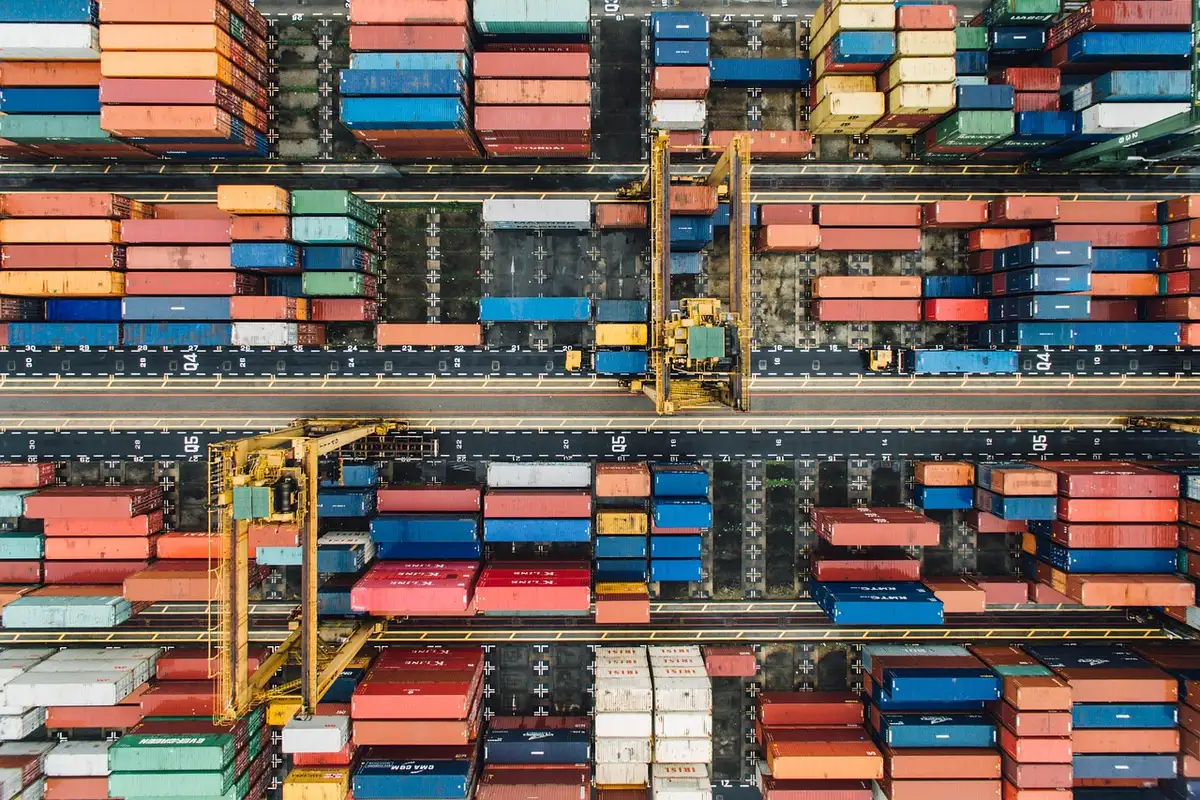
Trade imbalances are a central motivator for the talks. The two sides were seeking to address elements behind China’s growing surplus, which the AP said stood at about 360 billion euros ($410 billion) last year. More broadly, China’s global trade surplus reached $1.2 trillion in 2025 and was forecast to top $1 trillion again this year, figures cited by the AP said.
EU statistics show the bloc’s trade deficit with China widened in the second quarter, with imports from China at 153.63 billion euros (about $172.3 billion) and exports to China at 50.3 billion euros (about $56.4 billion), producing a deficit of 103.34 billion euros (roughly $116 billion).
Industry and political reactions
Sigrid de Vries, head of the European Automobile Manufacturers’ Association, welcomed the apparent stabilizing effect of the deal. She said it appears to avert further instability in the EU and “can help facilitate the transition to a new era of Chinese presence in the European market in an orderly way and this is in the long-term interests of all parties.”
Political sensitivities were visible elsewhere in Europe. Germany last week blocked the sale of a major logistics firm operating in the port of Hamburg to the state‑owned Chinese shipping group Cosco on security grounds. The German economic ministry said in a statement, “As Europe’s largest economy, Germany welcomes foreign investment. At the same time, some investments can endanger the country’s security.” The ministry added, “The acquisition would have deepened dependencies and jeopardized the resilience of supply chains in Germany and the EU.”
As officials prepare to present the preliminary package to EU capitals, both sides emphasize that further approvals and follow-up talks will be needed before measures are implemented. The AP reported the next formal exchanges are scheduled for January (video) and March (in person).