Show summary Hide summary
Authorities in New Delhi tightened security and restricted transport ahead of a planned Saturday demonstration by India’s youth-led “Cockroach” movement, part of nationwide protests against a contentious revision of voter rolls, The Associated Press reported.
What protesters are demanding
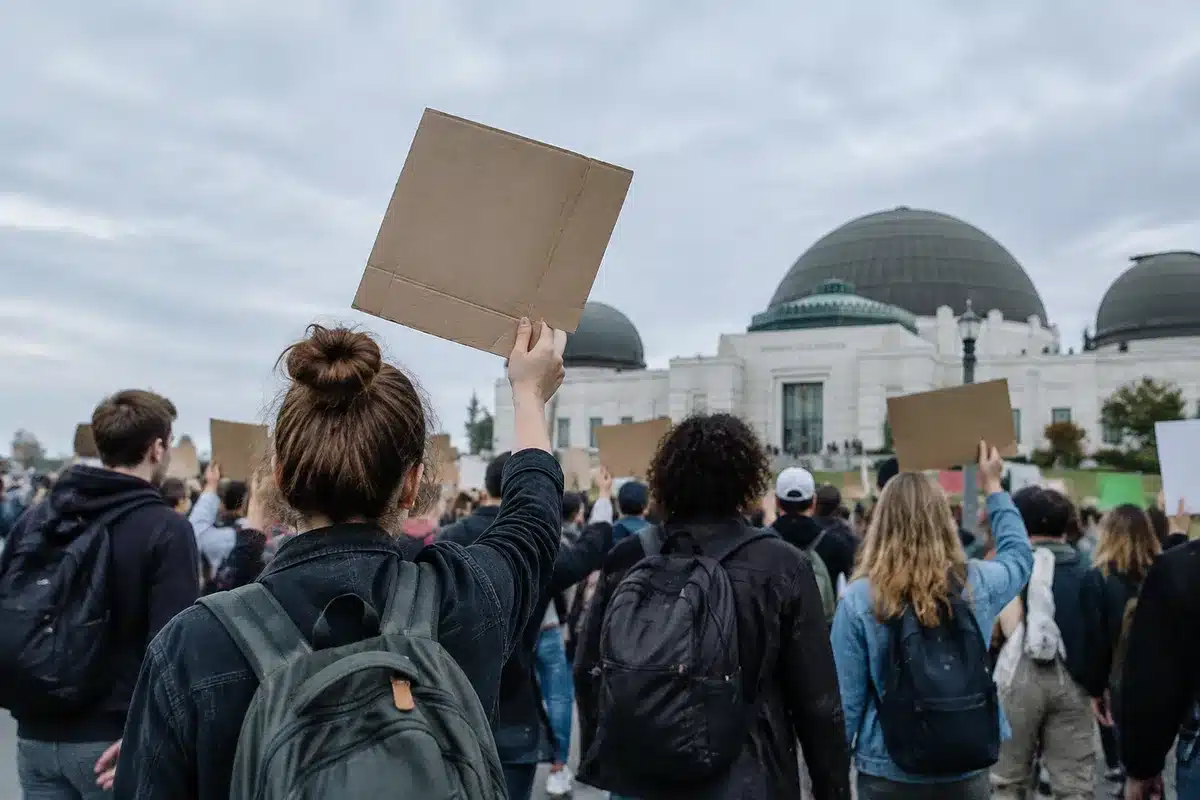
Thousands of demonstrators are expected to gather at Jantar Mantar in New Delhi as the campaign against Prime Minister Narendra Modi’s government and the Election Commission escalates. Protesters, joined by opposition parties, are calling for the resignation of Chief Election Commissioner Gyanesh Kumar, accusing the poll body of manipulating voter lists through the process known as the Special Intensive Revision, according to The Associated Press.
Flight attendants’ union raises safety concerns about Trump’s Washington arch
Amazon to eliminate about 1,000 corporate jobs in stores unit and other areas, report says
Security and transport restrictions
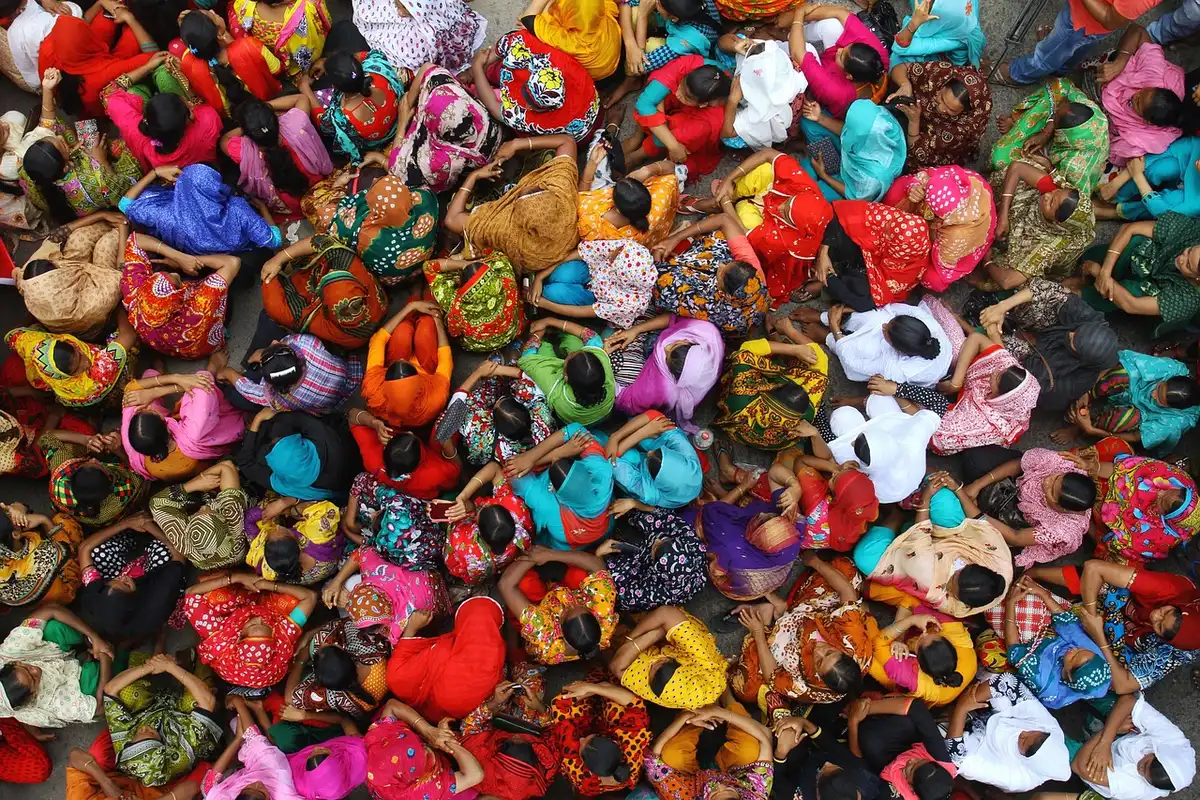
Indian Railways said it canceled several trains serving two New Delhi stations for Saturday, and the Delhi Metro announced the temporary closure of 57 stations, moves that could limit access to the protest site for many supporters who rely on public transit, the AP reported. Local media cited by the AP said at least 23,000 police personnel had been deployed across the capital ahead of the demonstration. Police described the measures as necessary to maintain law and order and prevent disruptions to public movement.
The Supreme Court of India directed authorities to reconsider some of the restrictions and to ensure that public transport services were not entirely suspended, the AP said.
The Special Intensive Revision and the dispute over removals
The protests center on a nationwide review of voter lists called the Special Intensive Revision, which has been carried out in most of India’s states and federally administered territories. More than 130 million names have been removed so far, and millions of people have filed appeals against their deletions, according to the AP.
Those whose names were removed can appeal, but critics say the process is difficult, particularly for people who lack older government records or other required documents. Opposition parties allege the removals have disproportionately affected their supporters and members of minority communities, while voters perceived as more likely to back Modi’s Bharatiya Janata Party have been retained or added. The Election Commission and the government reject those allegations, saying the exercise has no political motive and aims only to remove duplicate and ineligible entries, the AP reported.
Movement origins, detentions and leadership
The “Cockroach” movement began as an online youth campaign in May and expanded into street protests. Earlier demonstrations, including sit‑ins and hunger strikes over exam paper leaks, helped prompt the resignation of the education minister in July, according to the AP.
Opposition leader Rahul Gandhi has become a visible figure in the campaign and was briefly detained twice during protests in New Delhi this week, the AP said. Student groups and activists accused police of detaining some protesters traveling to the capital, and local media reported that officers had visited some mosques in the city and urged religious leaders to discourage people from attending the demonstration.
Abhijeet Dipke, identified by the AP as the Cockroach movement’s leader, posted on X that demonstrators would go ahead with the protest despite the detentions and restrictions. “This intimidation is not going to work, Modi,” Dipke wrote. “The youth of this country are no longer scared of you.”
The protest at Jantar Mantar and the broader campaign over the voter list revision are expected to remain focal points of political contention in the coming days, as officials, courts and activists navigate the disputed removals and the practical challenges of lodging appeals, the AP reported.