Show summary Hide summary
Democrats are increasingly trying to speak the language of faith as they seek to compete in red and purple areas where religion has long been a powerful political force. For decades, Republicans have made religion a cornerstone of their politics; Democrats, by contrast, often struggled to craft a compelling faith-related message and occasionally paid an electoral price in communities where voters equate religious commitment with local values.
That dynamic is shifting. In statehouses, congressional districts and at the grassroots level, Democratic campaigns and allied organizations are placing greater emphasis on engaging congregations, talking about moral themes such as economic fairness and care for the vulnerable, and elevating faith leaders as messengers on specific policy priorities. Party strategists say the aim is to show that religious belief and Democratic policy goals are not mutually exclusive and to blunt Republican claims that Democrats are out of step with local religious communities.
Why the change now
There are several forces behind the move. One is political necessity: as national polarization makes some voters less persuadable, competitive races increasingly turn on margins in districts where religious identity matters. Another is demographic and cultural complexity within faith communities themselves; many religious voters prize economic security, good schools and community stability as much as—or more than—single-issue moral positions, creating openings for messages that connect policy to lived faith commitments.
Elected Democrats travel to Washington amid fresh responses to White House shake-up
McDonald’s reintroduces the McRib 45 years after its debut following numerous rereleases
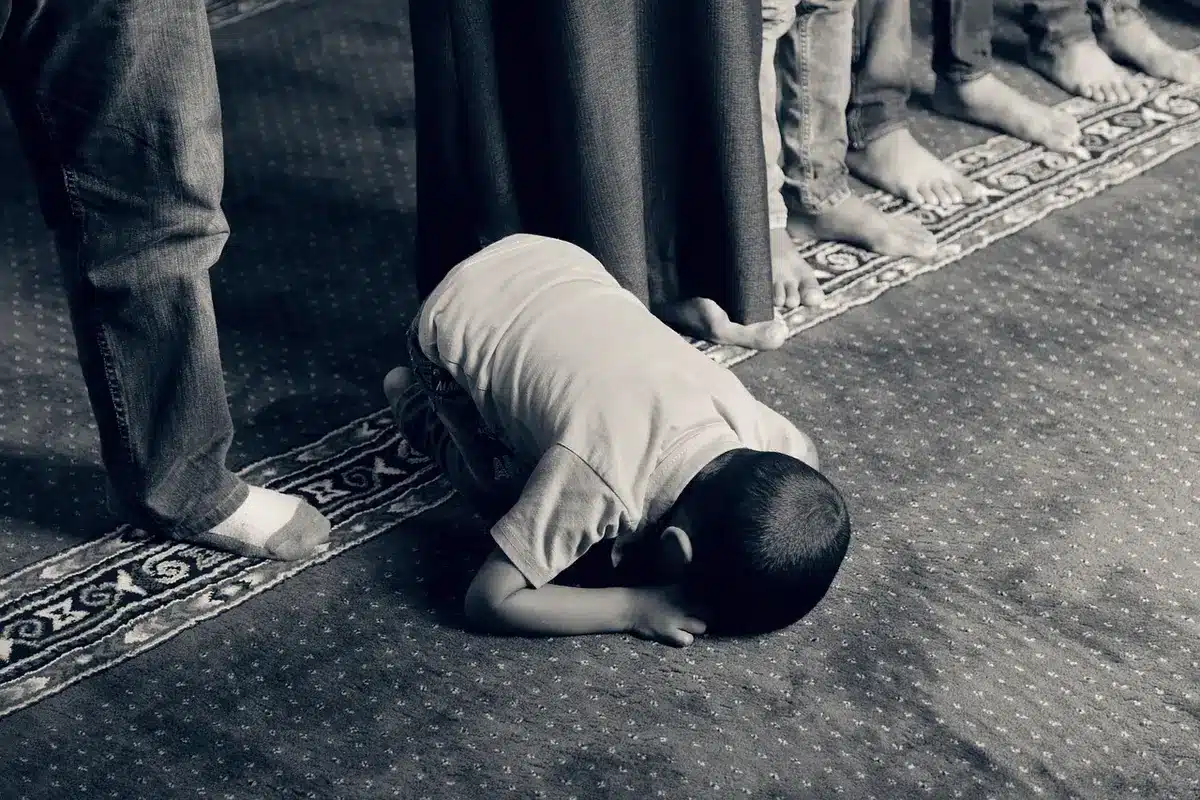
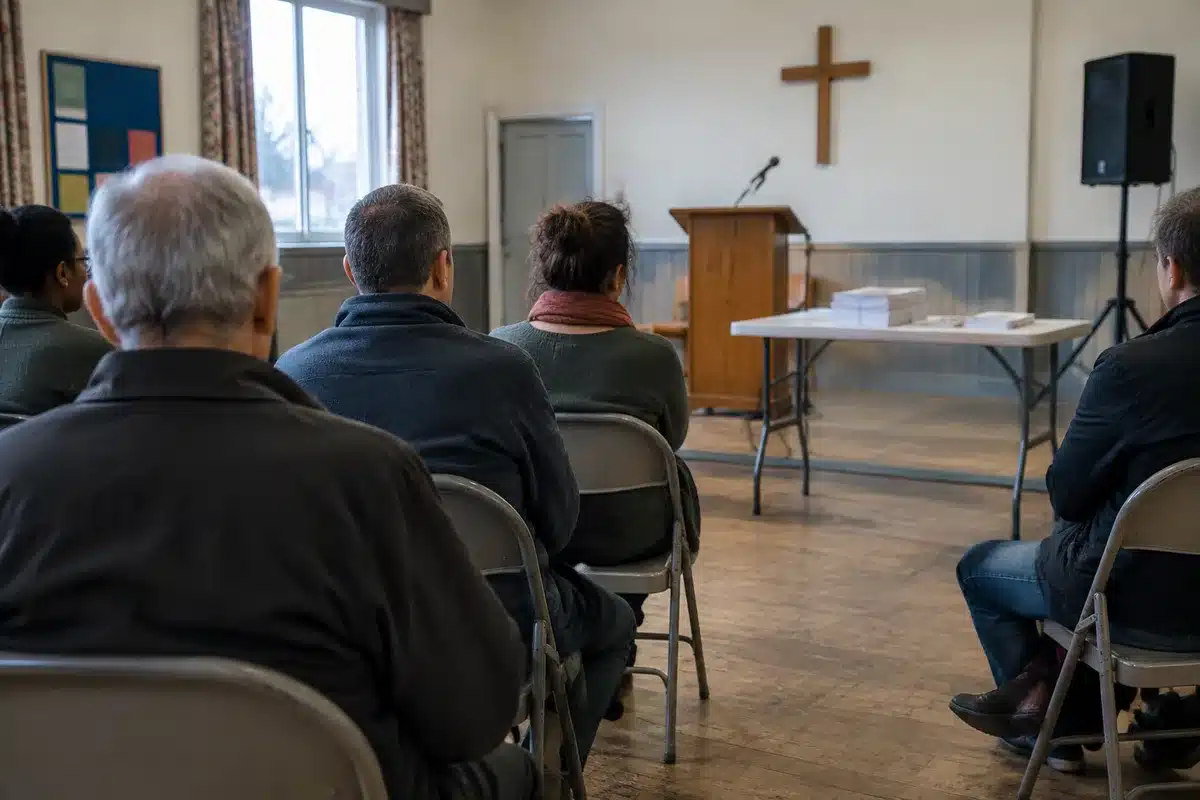
Advocates for the shift also point to the limits of an exclusively secular framing for Democratic appeals. In many parts of the country, religious institutions remain central civic hubs. Building relationships with pastors, imams, rabbis and other religious leaders can help campaigns reach voters through trusted local channels and frame policy proposals in values-driven terms that resonate with congregations.
How Democrats are changing their approach
The tactics vary by place. In some districts, Democratic candidates are meeting regularly with clergy and participating in interfaith events. In others, organizers are training faith-based volunteers to discuss issues such as health care, paid leave and housing in moral and practical terms—emphasizing stewardship, compassion and community responsibility rather than abstract ideological language.

On policy messaging, the party is attempting to link traditional Democratic priorities to moral narratives: economic policies are cast as instruments of dignity and family stability; environmental stewardship is framed as care for creation and future generations; criminal justice reforms are described in terms of redemption and fair treatment. The strategy is not to avoid contentious issues, but to situate them within an ethics-oriented argument intended to be intelligible and persuasive to believers.
Obstacles and internal tensions
The approach is not without complications. The Democratic coalition includes secular progressives and religiously observant members whose views diverge sharply on issues such as abortion, LGBTQ+ rights and religious exemptions. Balancing principled policy positions with outreach that does not alienate core supporters is a delicate task, and party leaders must navigate intra-party debates while tailoring appeals to local conditions.
There is also skepticism among some faith leaders and voters about whether political outreach represents genuine engagement or opportunistic vote-seeking. Building durable relationships requires sustained presence and policy follow-through, not just campaign-season visits.
What to watch
Analysts say the success of this recalibrated approach will depend on whether Democrats can make moral framing credible and consistent without diluting platform commitments, and whether outreach efforts translate into measurable gains in turnout and persuasion. Local races will be the testing ground: where faith-based messaging is matched with long-term engagement, Democrats may narrow margins in communities that once seemed out of reach. Where outreach is shallow or inconsistent, the underlying partisan cleavages tied to identity and ideology are likely to persist.
The evolving conversation about faith and politics reflects both strategic adaptation and a recognition that religious commitment remains a significant factor in many voters’ lives. How effectively Democratic candidates and organizations translate that recognition into respectful, effective engagement will shape competitive politics in numerous districts in the coming election cycles.