


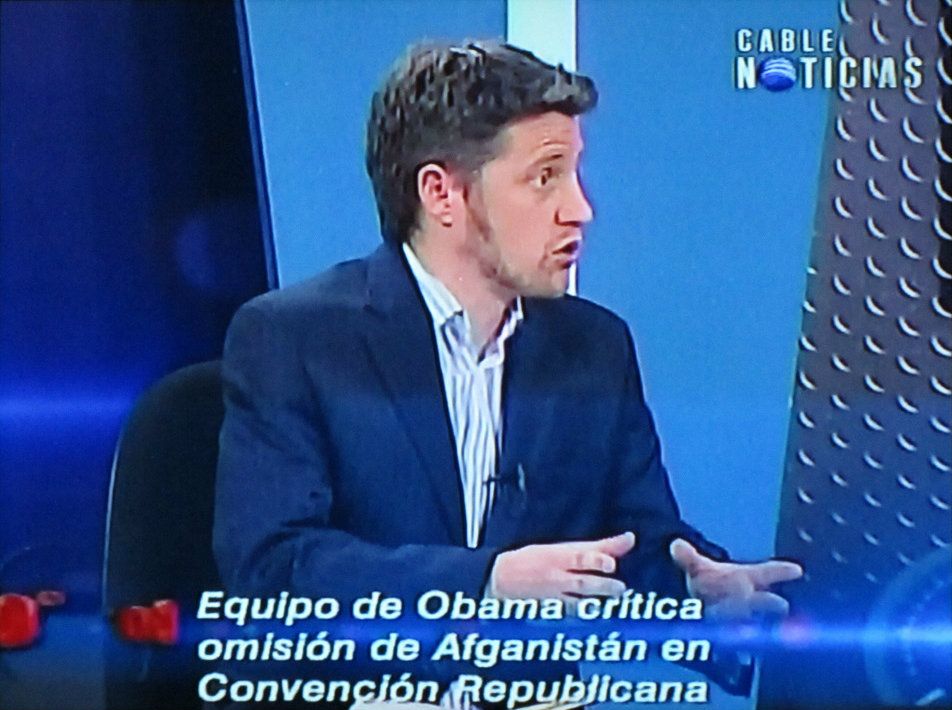
Colombia Politics´ editor on Cable Noticias
This article was originally written for See Colombia Travel.
When I finished university (over) ten years ago and I packed my bags to set off to travel the Spanish speaking world, my father told me that under no circumstances was I allowed to go to Colombia. In the mind of dad, Colombia was synonymous with the FARC, with guerrillas groups and with – the nightmare scenario for my poor old man – kidnappings.
Eight years after my first six month trip to South America I finally made it to Colombia, and you know what, I fell in love with it and I haven’t been able to leave since.
Ten years ago the risk in coming here might well have been something altogether grizzlier, but as the tourist board says; now the real risk is that you’ll want to stay.
I write on politics and I see the development of Colombia through the political decisions taken by the top brass running the country. When I first started travelling, President Uribe had not yet entered power and the infamous peace talks of the Pastrana era were about to collapse in ignominy; the FARC had a presence in around 50% of the country and there were barrios full of those sympathetic to the Marxist revolution in even the capital, Bogota.
Uribe came to power in 2002 and for eight years he used the aid money secured as part of the Plan Colombia agreement signed with the US to take the fight to the FARC. Uribe’s Democratic Security strategy pushed back the FARC, took out key leaders and turned Colombia into a destination for foreign investments and for tourists. Over the years the economy doubled in size and the visitors began to stream through the doors.
Colombia’s image abroad was changing.
This process has continued during the Santos years (the president took office in August 2010) and the country is now more popular than ever for backpackers and luxury tourists alike. This website is testament to the allure of this mystical, and magical place. The government expects 4 million yearly visitors by 2014, at which point it will become $4 billion industry. This was unthinkable as little as a decade ago when I was fresh out of university.
President Santos is fond of saying that Colombia ‘va por un buen camino’, that it’s heading in the right direction.
With the announcement this week that the government will sit down for peace talks with the FARC in October, many of us here are beginning to dream that Colombia’s almost five decade long war could be over within the year.
We know that Colombia is a tourist paradise. But we also know that during the 90s and the early years of this century, tourists were understandably scared away by FARC, and the violence of drug cartels. If President Santos can secure peace there will be no reason for the fathers of future travellers to warn their kids against travelling to Colombia.
The peace process will be complicated, the road bumpy and arduous. On my website I’ll be covering the talks from all angles, so please visit, join in the debate, and keep up to date with Colombia’s politics.
This article was published by See Colombia Travel