
Show summary Hide summary
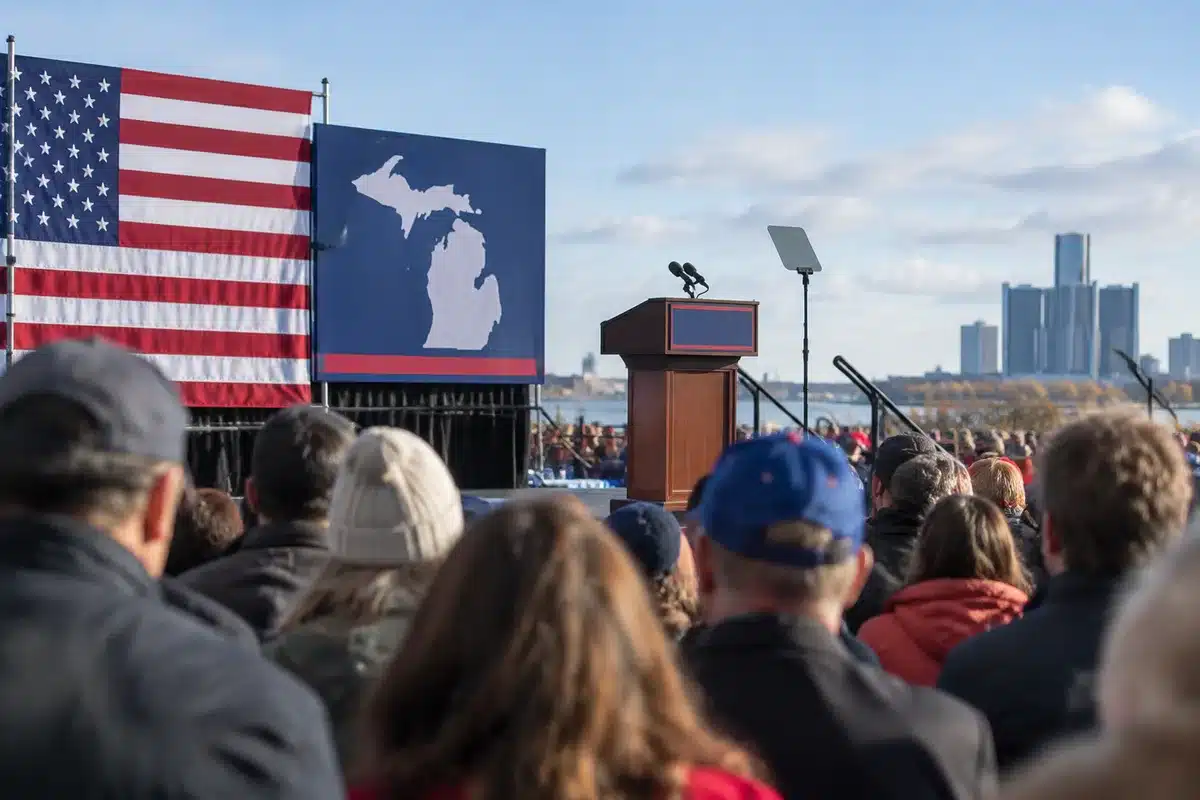
Election season is frequently contentious, but several incidents during the November midterm campaign have provoked unusually sharp criticism for crossing norms of political conduct. A controversial campaign ad in Ohio and an onstage exchange in which one candidate told an opponent to “shut up” have become focal points for debates about tone, tactics and what voters expect from contenders in closely contested battleground races.
Examples that have drawn attention
Campaign operatives and critics point to multiple high-profile moments this fall that they say reflect a harder-edged approach to messaging. One such flashpoint was a widely discussed advertisement in Ohio that opponents and outside observers condemned as inflammatory. Separately, a televised debate between rivals turned combative when a candidate interrupted and directly told his opponent to “shut up,” prompting immediate backlash from some viewers and commentary from political observers.
DCCC seeks ads criticizing GOP approach to AI and data centers across dozens of House races
Clock shows 2:57
Both episodes were cited by commentators as examples of tactics intended to energize a campaign’s base and dominate media coverage. Supporters of the ads and the combative debate style argue that sharp messaging and forceful exchanges can clarify contrasts for voters and break through the flood of competing campaign communications.
Criticism and defenders
Critics — including some civic groups, editorial writers and rival campaigns — have argued that such tactics erode public trust, lower the tone of political discourse and may discourage voter engagement among people put off by personal attacks or perceived dishonesty. Others say the most extreme examples amount to fear-based appeals that distort opponents’ records or play on social divisions.
Campaign strategists who defend aggressive ads and combative debate moments say they are responding to a crowded information environment and to the strategic imperative of winning attention. They note that negative messaging has long been a part of American campaigns, and that voters sometimes respond strongly to clear, blunt contrasts between candidates.
Potential consequences for campaigns
Analysts caution that while provocative moves can produce short-term media visibility, their longer-term effects are uncertain. In tight battleground districts and states, a single moment that alienates undecided voters or consolidates opposition can be consequential. Conversely, moments that energize core supporters may boost turnout for one side.
Political operatives also note a practical calculation: messaging that stokes outrage can drive social media sharing and fundraising, but it also invites counterpunches and increased scrutiny from fact-checkers and watchdog groups. That trade-off figures into decisions by campaign managers weighing whether a controversial ad or an aggressive debate posture is worth the potential backlash.
What voters are saying
Voters’ reactions have been mixed. Some view the sharp rhetoric as evidence of authenticity or decisive leadership; others say it confirms fears about polarization and a lack of civility in public life. For many undecided voters, these moments can reinforce preexisting impressions rather than change minds outright.

Local community leaders and civic organizations in battleground areas have urged campaigns to focus on policy differences and substantive debate, saying that respectful discourse better serves the electorate. At the same time, campaigns continue to test communications strategies that they believe will maximize support ahead of the November midterm contests.
Outlook
With the midterms approaching, campaign intensity is likely to remain high and similar confrontations may recur. How these moments ultimately factor into electoral outcomes will depend on state- and district-level dynamics, voter turnout and whether they shift perceptions among key groups of undecided or swing voters. For now, the episodes in Ohio and on the debate stage stand as reminders of how strategy, temperament and media attention intersect in modern campaigns.