


1 in 4 Colombian Governors “under investigation”
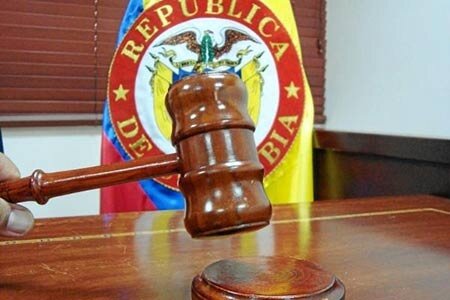
A quarter of Colombia´s governors, elected just over a year ago, face investigation by the nation´s Inspector General it has been revealed.
With three years to go on their mandates, top regional politicians from across the land could face suspension or destitution before their scheduled term is office is up.
Last year, just months into his governorship of the important Valle del Cauca department, Juan Carlos Useche was kicked out and preventing from holding office for the subsequent 12 years. Action has also been taken against the governors of Huila, Chocó and Casanare. The expected confirmation of the permanency of these sanctions will trigger a slew of costly elections in these important departments.
The Inspector General´s investigations are open against a total of eight sitting governors. At the same time the Attorney General has revealed he is looking into the actions of 15 governors, close to half of the total number.
It is worth noting that not all cases are expected to progress and that history suggests at least a percentage of the denouncements against the governors have been made by what can only be described as sore losers.
But it is not only the governors who face a battle to preserve their reputations. 55 mayors face the same level of legal scrutiny, while four of these local leaders have already been impeached. Add to this the difficult situation in Cartagena where the elected mayor, Campo Elías Terán, has been unable to assume his duties due to illness (and as a result the city has endured three caretaker mayors in 12 months) and it is easy to conclude that something is rotten in Colombia´s municipal politics.
Governance is a problem in Colombia, locally, regionally and nationally. The will and the power of the state to effect the changes both the politicians and the people demand has been limited by geography, criminality and terrorism.
The Santos regime – and all governments – need strong politicians in tiers two and three of the system. A national government can pass laws, but it is in the regions, the cities and the villages that they must be applied. A lack of stability, of poor or corrupt administration will put the break on any reform – however worthy – passed in congress.
Santos is concerned particularly in respect of his land restitution and victims law. He needs desperately to point to successful cases of the law in practice – across the country – as part of his bid to remain in the Casa de Nariño beyond 2014.
So why are Colombia´s local politicians so unfit for purpose? Part of the problem lies in the local party machinery. The weakness of the nation´s political parties and their willingness to plump not for the best man for the job, but for the candidate who compromises best and who stands the best chance of winning limits the scrutiny process necessary for the selection of would be leader.
Party lists are often motley crew, a hodge-podge in whose compilation favour or connection has outweighed talent and conviction.
The answer? More open primaries, perhaps. Greater public involvement in the process. Wishful thinking, maybe but Colombia would be wise not to stick with the status quo.


