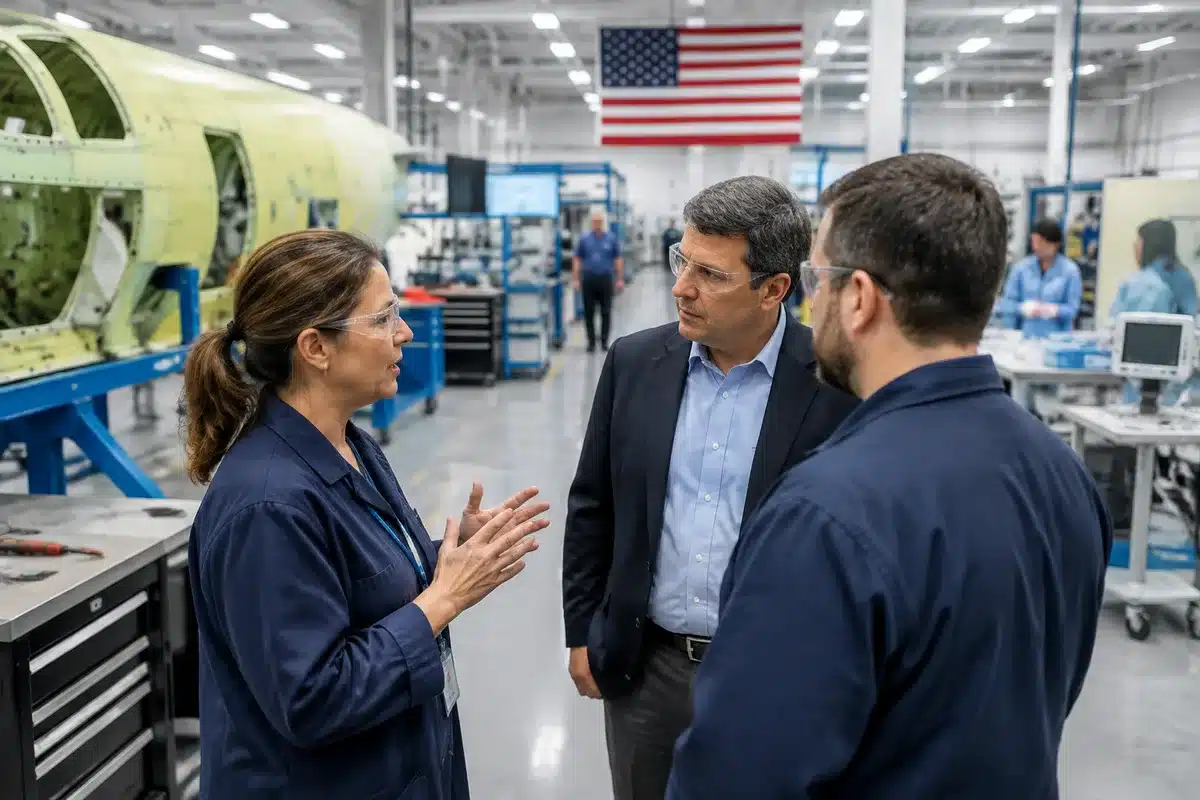
Universal education savings accounts (ESAs) are expanding families’ options beyond traditional public and charter schooling, and that shift is prompting charter leaders to reconsider whether their schools remain the best fit under the new market. A recent survey of charter operators and analysis of participation in states with universal ESAs suggest policymakers should give existing charters a clear, regulated route to convert to private schools if they choose to do so.
Milton Friedman long championed school choice, and in a 2001 interview he described charter schools as “a halfway house. They are still government schools.” Since then, public policy has moved closer to the model of broader educational freedom Friedman envisioned. According to the supplied report, 12 states now operate universal ESAs that are available to all families. Unlike traditional vouchers, universal ESAs can be used for a range of educational expenses — tutoring, textbooks and curriculum, online courses, educational therapies and technology — not just private tuition.
To assess how that change affects the charter sector, the article’s author and Auburn University professor David Marshall surveyed 285 charter school leaders across Arizona, Florida and Utah — three states that enacted universal ESA programs in 2022, 2023 and 2024, respectively. About two-thirds of respondents said the charter sector should respond to ESAs by becoming less bureaucratic and granting schools greater autonomy. Overall, 36 percent said they would have considered opening a nonpublic school, such as a private school or microschool, if a universal ESA had existed when their school opened.
DCCC seeks ads criticizing GOP approach to AI and data centers across dozens of House races
Clock shows 2:57
Responses were especially striking in Arizona. There, 42 percent of surveyed charter leaders said they would have considered opening a nonpublic school, compared with 38 percent who said they would not. Arizona also provides early evidence of student movement into ESAs: as of March 2026, the number of students who entered the state’s universal ESA program directly from public schools was roughly equivalent to about 3 percent of Arizona’s public school enrollment. The report notes that Arizona’s longer-running universal ESA program and larger documented shift from public schools into ESAs may foreshadow trends in other states as participation grows.
Survey responses reflect a structural dilemma for existing charter schools. Many operators chose the charter form under a policy regime in which it was the main public alternative to district schools. That bargain came with obligations that private schools do not face — testing mandates, requirements to serve students with special needs, and non‑sectarian status — in exchange for public funding. Universal ESAs, the authors argue, alter that bargain by creating a viable private-market path supported by public dollars paid to families.
The authors propose that states with universal ESAs establish a voluntary charter-to-private conversion pathway. Such a pathway, they write, would allow schools that prioritize curricular or operational freedom — for example, Montessori programs that group multiple ages and do not follow a strict grade-by-grade state sequence — to operate without the constraints of public accountability regimes. At the same time, schools that value public supports for special education or other services could remain in the charter system.

The proposal emphasizes safeguards: conversions should not amount to transferring public assets without oversight. States would need clear rules for buildings, equipment and funds acquired with taxpayer dollars, as well as requirements for adequate notice and transition plans for enrolled families. The report also notes particular care must be taken when conversions would change admissions, transportation or special education services, or when ESA allotments would not fully cover tuition and fees.
Those complications, the authors say, are manageable. With family choice already reshaping the market for new schools, the report urges that existing charters be given the same freedom to reconsider the organizational choices they made under very different rules.
The authors conclude, “Educational freedom should not stop at the schoolhouse door.”